Drug Checking Services: Testing Beyond Fentanyl Strips

A single pill bought on the street can contain anything. Fentanyl when you expected oxycodone. Xylazine mixed with heroin. Methamphetamine pressed to look like Adderall. The uncertainty isn't just anxiety-inducing — it's deadly.
Fentanyl test strips have become more widely available in recent years, giving people a quick yes-or-no answer about whether fentanyl is present. But they tell you nothing about what else might be in a substance, how much of the active ingredient is there, or whether adulterants like xylazine (a veterinary sedative increasingly found in street drugs) are present.
That's where comprehensive drug checking services come in. Using laboratory-grade technology, these programs can identify exactly what's in a substance sample — sometimes within minutes. This post explains the science behind different drug checking methods, where these services exist in the US, how accurate they are, and the growing evidence that knowing what you're taking saves lives.
What Is Drug Checking?
Drug checking (also called substance checking or drug analysis) is the use of scientific equipment to identify the chemical composition of a drug sample. Unlike urine drug screens that test what's already in your body, drug checking analyzes the substance itself before it's consumed.
The goal is harm reduction: giving people more information about an unpredictable supply. Results may inform a decision not to use a substance and may create an opportunity to connect with naloxone, medical care, or treatment.
Drug checking isn't about encouraging drug use. It's about acknowledging that people use substances and providing tools that reduce preventable deaths and serious harm. The harm reduction philosophy recognizes that abstinence-only messaging doesn't work for everyone, especially in a drug supply contaminated with potent synthetic opioids and unpredictable adulterants.
Many drug checking programs also connect people to treatment resources, naloxone, and other support services. They're bridges, not barriers.
Types of Drug Checking Technology
Fentanyl Test Strips
We covered these in detail in our fentanyl test strips guide. Test strips use immunoassay technology (similar to a pregnancy test) to detect fentanyl and many fentanyl analogs. They're portable, cheap (often free), and provide results in minutes.
Limitations: They can't tell you how much fentanyl is present, only that it's there. They don't detect non-opioid adulterants. And they occasionally produce false positives with certain medications like diphenhydramine (Benadryl) or methadone.
Reagent Testing
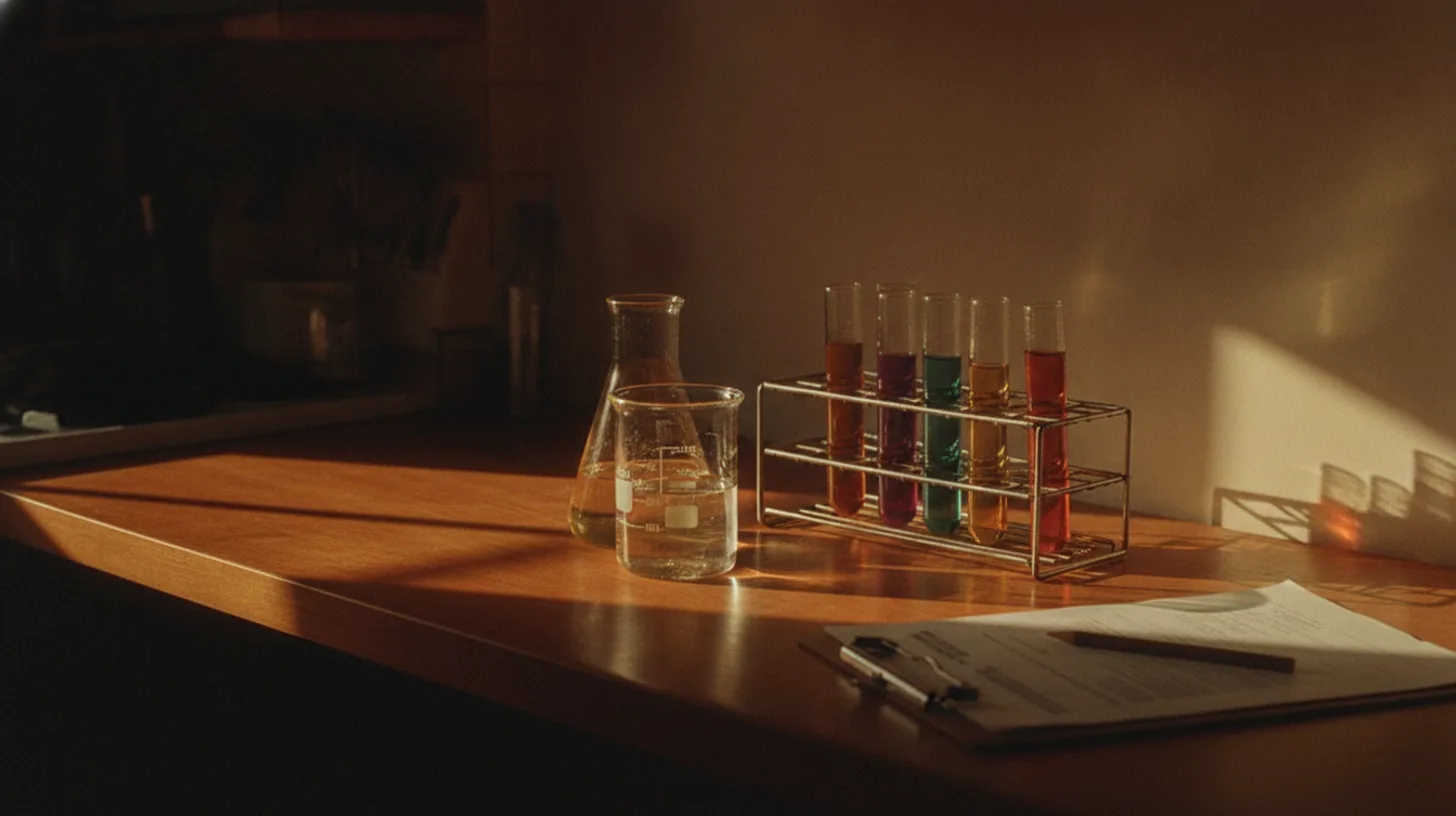
Reagent tests use chemical reactions to produce color changes associated with certain drug classes. Because results can be subjective and mixtures are difficult to interpret, they should be used only with product-specific instructions or trained support.
Limitations: Reagents can confirm the presence of a substance but can't identify exact composition or quantity. They work poorly with mixtures. They're also subjective — color changes can be hard to interpret under different lighting.
Fourier Transform Infrared Spectroscopy (FTIR)
FTIR analyzers shine infrared light through a sample and measure which wavelengths are absorbed. Different molecules absorb light differently, creating a unique "fingerprint" that software compares against a database of known substances.
FTIR devices are portable (some are handheld), non-destructive (you get your sample back), and can identify multiple components in a mixture. They're increasingly used by harm reduction programs at festivals, safe consumption sites, and mobile outreach units.
Limitations: FTIR can miss components present at low concentrations and compounds absent from its reference database. Performance depends on the instrument, operator, sample, and mixture.
Mass Spectrometry
Mass spectrometry (MS) separates and measures chemical components and can provide more detailed identification than simple screening methods. Detection limits depend on the instrument, method, sample preparation, and reference data.
Some harm reduction programs now operate mobile GC-MS labs that can analyze samples on-site. Others collect samples and send them to partner laboratories, returning results within days.
Limitations: Mass spec equipment is expensive and requires trained technicians. It's not instant — sample prep and analysis can take 15–30 minutes per sample. Results often come too late for real-time decision-making unless the service has dedicated on-site capacity.
Combined Approaches
Some services combine rapid screening, FTIR, and laboratory analysis. The methods offered and turnaround time vary by program.
Where Drug Checking Services Exist in the US
The legal landscape around drug checking has shifted rapidly. As of 2026, the federal government no longer classifies drug checking equipment as drug paraphernalia, and many states have explicitly legalized these services.
Fixed-Site Programs
- Harm reduction centers: Organizations like NEXT Distro (various cities), ChicagoRecovery Alliance, and Prevention Point Philadelphia offer walk-in drug checking alongside syringe exchange and naloxone distribution.
- Community health clinics: Some federally qualified health centers (FQHCs) in Ohio, Pennsylvania, and other states have integrated drug checking into their services.
- Academic research sites: Universities conducting research on contaminated drug supplies often provide free drug checking to study participants and the broader community.
Mobile and Pop-Up Services
Mobile drug checking units travel to areas with high overdose rates, setting up temporary stations at syringe services programs, community events, or encampments. Some harm reduction organizations in Virginia cities like Richmond and Norfolk operate weekly mobile services.
Festival and event-based programs (like DanceSafe) set up at concerts and nightlife venues, targeting populations using recreational drugs like MDMA, ketamine, or cocaine.
Mail-In Services
Some programs accept samples for laboratory analysis. Eligibility, mailing rules, privacy practices, turnaround times, and legality vary, so use only the current instructions published by the program. This model may increase access for people in rural areas without local services.
To find drug checking services near you, check:
- National Harm Reduction Coalition (harmreduction.org): State-by-state resource directory
- DanceSafe (dancesafe.org): Event-based testing and mail-in lab services
- Your local health department: Many now fund or operate drug checking programs
If you're in Ohio, Pennsylvania, or Virginia and ready to explore treatment, Grata Health offers telehealth care. Appointment availability and insurance coverage should be confirmed for the individual plan.
How Accurate Are Drug Checking Services?
Accuracy depends on the technology used and the expertise of the operator.
Fentanyl test strips can detect fentanyl under some conditions, but performance varies by product, preparation, compound, and concentration.
FTIR spectroscopy can identify prominent components but may miss substances present in small amounts or in complex mixtures.
Mass spectrometry can provide more detailed identification, but results still depend on sampling, laboratory methods, and reference data. A laboratory result is not a guarantee that the broader supply is uniform or safe.
All methods have blind spots. A "negative" result does not mean a substance is safe. Drug checking should be understood alongside overdose-prevention education, naloxone access, and professional medical or treatment support.
How Results Are Communicated
Programs vary in how they share findings:
Immediate On-Site Results
For rapid tests, a program may provide results during the visit. Trained staff can explain what the method detected, what it could have missed, and how the program handles any remaining sample.
Detailed Lab Reports
For samples sent to a lab or analyzed via GC-MS, programs typically provide:
- A list of all detected substances with approximate percentages
- Alerts for dangerous adulterants (fentanyl, xylazine, unexpected stimulants)
- Harm reduction recommendations specific to what was found
- Connection to treatment resources if desired
Communication and privacy practices vary by program. Ask what information is collected, retained, or reported before submitting a sample.
Community Alerts
When services detect especially dangerous batches (like cocaine heavily cut with fentanyl or fake pills containing carfentanil), many programs issue public alerts via social media, local news, and partner organizations. These alerts can prevent overdoses in people who haven't used the drug checking service themselves.
Evidence That Drug Checking Saves Lives
Research on drug checking outcomes has grown significantly:
Behavioral decisions: Research suggests that unexpected results can change what some people decide to do with a substance. The size and durability of that effect varies across programs and study designs.
Overdose prevention: Drug checking is usually delivered alongside naloxone access, education, and other services. That makes it difficult to attribute community-level changes to drug checking alone.
Knowledge about the drug supply: Data from drug checking programs helps public health officials track emerging threats. When xylazine first appeared in Philadelphia's heroin supply, drug checking services were the early warning system. This intelligence informs overdose prevention strategies and helps first responders prepare.
Connection to treatment: These programs may create a low-barrier opportunity to ask about medication-assisted treatment (MAT) or other care. Participation does not imply that someone is ready for treatment.
Legal Status and Policy Evolution
Federal, state, and local rules governing test strips, reagents, sample possession, and mail-in services can differ and change. Before carrying a sample or mailing anything, consult the current instructions of a health department or established local program. People subject to probation, parole, or another supervision agreement should seek advice specific to their circumstances.
How to Use Drug Checking Services
If you're considering getting a substance tested:
Find a service: Use the resources listed earlier or ask at local harm reduction organizations, syringe services programs, or LGBTQ+ health centers (which often have harm reduction programs).
Ask questions: Staff are trained to be nonjudgmental. They can explain results, discuss safer use strategies, and connect you to treatment or other services if you're interested.
Ask about privacy: Privacy and identification practices vary. Ask about the program's policies before submitting a sample.
Interpret results carefully: A "clean" result doesn't mean a substance is safe. Dose, frequency, and individual health factors still matter. Drug checking reduces risk; it doesn't eliminate it.
When Drug Checking Isn't Enough
Drug checking is one tool in a larger harm reduction toolkit. It can't address underlying reasons someone is using substances — whether that's untreated chronic pain, mental health conditions, trauma, or opioid use disorder.
If you're checking drugs because you're worried about your substance use but feel like you can't stop, that's a sign treatment might help. Medication-assisted treatment with Suboxone can reduce cravings and withdrawal, giving you space to rebuild your life without the daily fear of contaminated drugs.
Treatment doesn't have to mean giving up harm reduction support. Many people continue using naloxone, safer use practices, and community resources while working toward recovery. There's no shame in needing both.
Moving Toward a Safer Drug Supply
Drug checking is a stopgap solution. The deeper issue is an unregulated, unpredictable drug supply where people have no idea what they're taking. Some public health experts advocate for regulated drug supplies where people with opioid use disorder could access pharmaceutical-grade alternatives, eliminating contamination risk entirely.
Safe supply programs exist in parts of Canada and Europe. The US is slowly exploring similar models through research pilots and harm reduction policy reforms. Whether such approaches gain traction depends on shifting the conversation from punishment to public health.
In the meantime, drug-checking services provide limited information and create opportunities for connection and support. They do not make an unregulated substance safe.
Getting Started with Treatment and Support
If you're ready to explore treatment, Grata Health offers telehealth appointments in Virginia, Ohio, and Pennsylvania. Coverage and participation should be confirmed for the individual insurance plan.
Whether you're considering Suboxone treatment, need information about naloxone, or want to discuss care options, you can reach out.
You don't have to choose between harm reduction and treatment. You can have both. Get started today.
Grata Health offers same-day telehealth appointments in Virginia, Ohio, and Pennsylvania and accepts most insurance plans. Specific benefits and eligibility vary by plan and individual circumstances.
About the author

Editorial Team
The Grata Editorial Team produces educational content about opioid use disorder, treatment access, and recovery. Articles are written to explain complex topics in clear, supportive language and help readers prepare useful questions for qualified professionals.
View full profileReviewed by
Clinical Review Team
The Grata Care Team supports people seeking treatment for opioid use disorder. When an article names the Grata Care Team as its reviewer, that attribution identifies the clinical review associated with that article.
View full profileReady to start your recovery?
Grata Health offers same-day telehealth appointments in Virginia, Ohio, and Pennsylvania and accepts most insurance plans.


