Safer Use Practices: Reducing Risk While Using

The safest choice is not using at all. But that's not always where someone is today — and that's okay. If you're using opioids right now and aren't ready for treatment, you still deserve information that could save your life.
Harm reduction isn't about enabling use. It's about keeping people alive long enough to have a tomorrow. Every day you're alive is another chance for things to get better. These safer use practices won't eliminate risk, but they can dramatically reduce it.
This guide covers practical steps you can take right now to protect yourself, recognize danger signs, and connect with resources when you're ready.
Why safer use information matters
The drug supply has changed. What's sold as heroin, pills, or powder often contains fentanyl — sometimes mixed with even stronger synthetic opioids like carfentanil or nitazenes. You can't see, smell, or taste these substances, and even tiny amounts can cause overdose.
Between 2019 and 2024, overdose deaths involving synthetic opioids increased by over 400%. The pills your friend used last week might not be the same as what's available today. Every use carries unpredictable risk.
That's not meant to scare you — it's meant to explain why these practices matter. Hundreds of people survive overdoses every day because someone nearby had naloxone and knew how to use it. Simple steps make a massive difference.
Never use alone
Using alone is the single biggest modifiable risk factor for fatal overdose. If you lose consciousness and no one's there to call 911 or give naloxone, minutes matter.
Options when you can't have someone physically present:
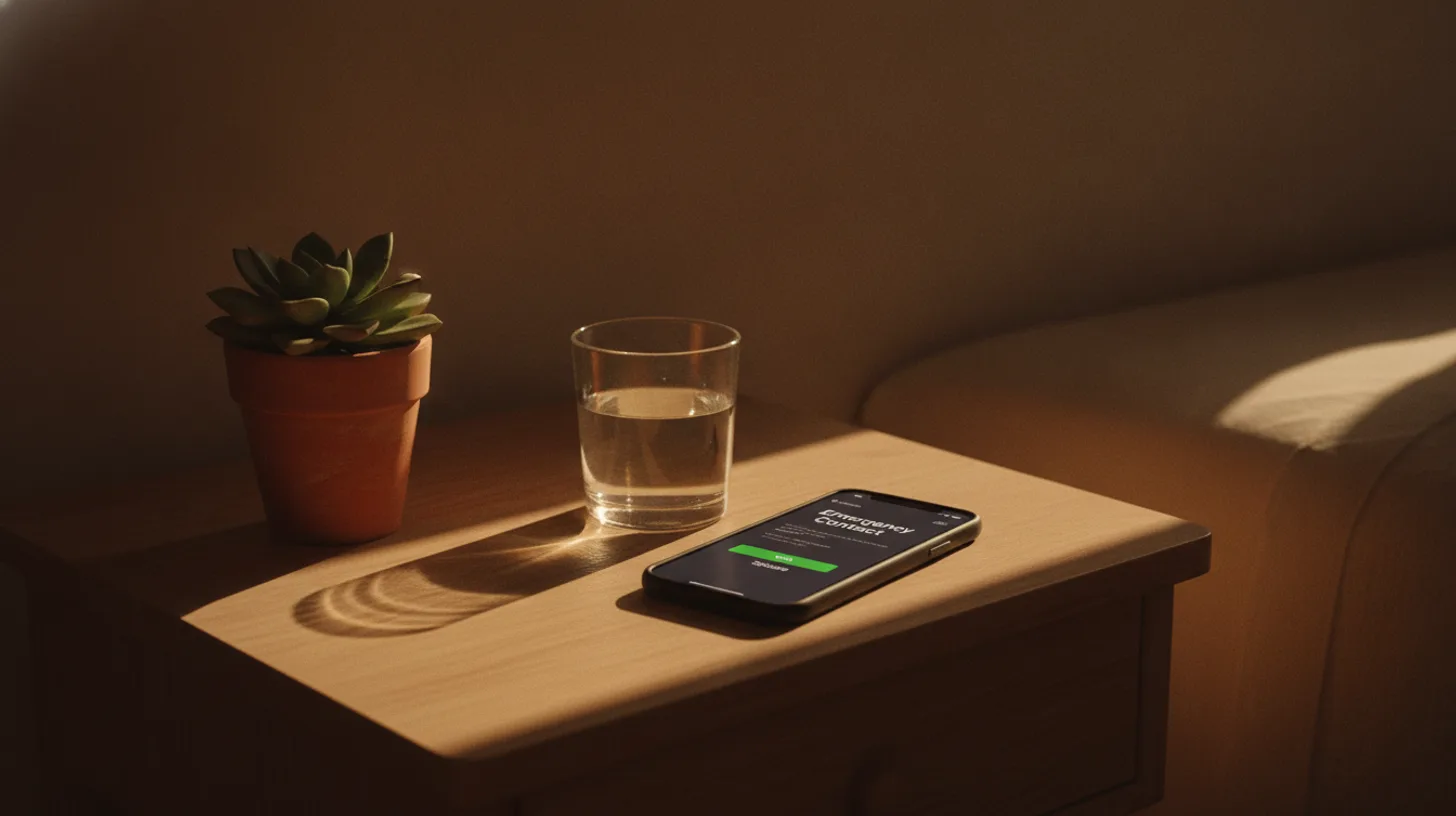
- Never Use Alone hotline: Call 1-800-484-3731 (US/Canada, toll-free). An operator stays on the line while you use. If you stop responding, they dispatch emergency services to your location.
- Brave app (US): A smartphone app that connects you with trained volunteers who monitor your session remotely and can send help if needed.
- The Lifeguard App (Canada): Similar concept — check in before using, and the app alerts emergency contacts if you don't check back within your set timeframe.
- Grooby Overdose Prevention Service (Canada): Text or voice-based monitoring service available in some provinces.
These services exist in Virginia, Ohio, and Pennsylvania, where Grata Health operates. They're confidential and won't involve law enforcement unless you need medical help.
Avoid using alone and connect with a local harm-reduction or medical service for individualized safety information. This article does not provide instructions for consuming illicit substances. Drug-checking tools have important limitations and cannot establish that a substance is safe.
Don't mix substances
Combining opioids with other depressants dramatically increases overdose risk. Your body can only handle so much respiratory depression before it stops breathing.
Especially dangerous combinations:
- Opioids + alcohol: Both slow breathing. Together, they compound each other's effects unpredictably.
- Opioids + benzodiazepines (Xanax, Klonopin, Valium): Benzos are involved in nearly half of opioid overdose deaths. This combination is particularly lethal.
- Opioids + sedatives (Ambien, muscle relaxants, barbiturates): Similar depressant effects that can shut down breathing.
- Opioids + stimulants (cocaine, meth): "Speedballs" or "goofballs" mask opioid effects temporarily, making it easy to overdose when the stimulant wears off.
Avoid combining substances. If you are concerned about a combination you already took, contact Poison Control or emergency services; call 911 for slowed breathing, inability to wake, or a suspected overdose.
Keep naloxone (Narcan) nearby
Naloxone reverses opioid overdoses. It blocks opioid receptors in the brain and can restore breathing within minutes. It's safe, can't get you high, and won't hurt someone who hasn't used opioids.
How to get naloxone:
- Pharmacies: Available without prescription in all 50 states. Ask the pharmacist directly.
- Harm reduction organizations: Many distribute free naloxone kits. Search "naloxone distribution near me."
- Health departments: Local health departments in Virginia, Ohio, and Pennsylvania often have free naloxone programs.
- Online: NEXT Distro and other harm reduction groups mail free naloxone to people who use drugs.
Learn how to use it before you need it. Most kits include simple instructions. Nasal spray versions (Narcan, generic naloxone spray) are easiest — just insert into one nostril and press the plunger.
If someone overdoses, give naloxone immediately, call 911, and stay with them. Good Samaritan laws protect you from arrest in most situations when you call for help during an overdose.
Recognize the signs of a bad reaction
Know what an overdose looks like so you can respond fast:
- Unconsciousness or unresponsiveness: Can't be woken by shouting or rubbing knuckles on the chest
- Slow, shallow, or stopped breathing: Less than one breath every 5 seconds, or irregular gasping
- Blue or grayish lips and fingernails: Sign of oxygen deprivation
- Pinpoint pupils: Extremely small pupils that don't respond to light
- Limp body: No muscle tone, completely slack
- Choking or gurgling sounds: Partial airway obstruction
If you see these signs in yourself or someone else:
- Call 911 immediately
- Give naloxone if available (even if you're not 100% sure it's an overdose)
- Place the person on their side in recovery position to keep airway clear
- Stay with them until help arrives — they may need multiple doses of naloxone
Don't put them in a cold shower, inject them with anything else, or try to "walk it off." These don't help and waste critical time.
Recognizing opioid overdose signs can mean the difference between life and death. Trust your instincts — if something feels wrong, get help.
Use in a safer environment
Where you use matters almost as much as how you use.
Choose spaces where:
- Someone can find you quickly if needed
- Your phone works and you can call for help
- The door is unlocked or someone has a key (paramedics can't help if they can't get to you)
- You're sitting or lying somewhere soft — not standing, in a bathtub, or near water
Avoid using in public bathrooms, isolated outdoor areas, or locked rooms where no one will check on you. If you must use somewhere private, tell a trusted person your location and when to expect to hear from you.
Consider safer routes of administration
How you use affects both overdose risk and long-term health complications.
Injection carries the highest risks:
- Faster onset means less time to recognize and reverse overdose
- Higher risk of infections, abscesses, endocarditis, HIV, and hepatitis C
- Collapsed veins and other vascular damage
If you inject, syringe services programs provide sterile syringes, safer injection education, wound care referrals, and often free naloxone and fentanyl test strips. Using new, sterile equipment every time prevents infections.
Smoking or snorting allows substances to enter your bloodstream more slowly, giving you slightly more time to recognize if something's wrong. Neither is completely safe, but they reduce some injection-specific harms.
If you're injecting and experiencing skin infections, sores that won't heal, or other complications, wound care resources and medical care are available even if you're not ready to stop using.
Connect with harm reduction services
Harm reduction organizations offer practical support without judgment or requirements to quit.
Services typically include:
- Free naloxone and training
- Sterile syringes and injection supplies
- Fentanyl test strips and drug checking
- Safer use education
- Wound care and basic medical care
- HIV and hepatitis C testing
- Referrals to treatment when you're ready
- Peer support from people with lived experience
These services exist because keeping you alive and healthy is the priority. Staff understand that recovery looks different for everyone and happens on different timelines.
Many harm reduction programs also offer low-barrier access to medications like Suboxone (buprenorphine) when you're interested — no waiting lists, insurance requirements, or mandatory counseling before getting medication.
When you're ready for next steps
Using safer practices is a form of self-care. It shows you still value your life, even if using feels like the only option right now.
Treatment is available whenever you're ready. Medication-assisted treatment with buprenorphine can reduce cravings, prevent withdrawal, and block other opioids' effects — all while keeping you safe and stable.
Grata Health offers telehealth appointments in Virginia, Ohio, and Pennsylvania. Availability, clinical eligibility, prescriptions, and insurance coverage vary.
You don't have to be "ready to quit forever" to start medication. Many people begin treatment just to feel more stable and safe, and find that the medication gives them space to build a life they don't want to escape from.
Get started with treatment when you're ready — even if that's not today.
You deserve to stay alive
Harm reduction isn't about judgment or perfect choices. It's about recognizing that every person deserves to survive, get care, and have the chance for a better tomorrow.
These practices won't eliminate all risk, but they significantly reduce the chances of fatal overdose. Never using alone, having naloxone nearby, using test doses, and connecting with harm reduction services save thousands of lives every year.
If you're reading this, you're already taking a step toward protecting yourself. That matters. Keep yourself alive today, and tomorrow will have new possibilities.
Treatment, support, and recovery are available when you want them — no timeline required. For now, use these strategies to stay as safe as possible, and know that people care whether you make it through the night.
If you're ready to explore treatment options or just want to talk to someone who understands, Grata Health's care team is available. Contact us for a confidential conversation about your options — no pressure, no judgment, no requirements.
Grata Health offers same-day telehealth appointments in Virginia, Ohio, and Pennsylvania and accepts most insurance plans. Specific benefits and eligibility vary by plan and individual circumstances.
About the author

Editorial Team
The Grata Editorial Team produces educational content about opioid use disorder, treatment access, and recovery. Articles are written to explain complex topics in clear, supportive language and help readers prepare useful questions for qualified professionals.
View full profileReviewed by
Clinical Review Team
The Grata Care Team supports people seeking treatment for opioid use disorder. When an article names the Grata Care Team as its reviewer, that attribution identifies the clinical review associated with that article.
View full profileReady to start your recovery?
Grata Health offers same-day telehealth appointments in Virginia, Ohio, and Pennsylvania and accepts most insurance plans.