Overdose Prevention 101: What Everyone Should Know


Every day in the United States, more than 200 people die from drug overdoses. But here's what matters: most of these deaths are preventable with the right information and tools. Whether you're in recovery, supporting a loved one, or simply want to be prepared, understanding overdose prevention can literally save a life.
Overdose is a medical emergency, not a moral failure. It can happen to anyone, regardless of how long they've been using substances or how experienced they think they are. And with fentanyl now contaminating street drug supplies across the country, the risks have never been higher.
This guide covers everything you need to know about preventing overdoses, recognizing the warning signs, and taking action when seconds count.
Why Overdose Happens: Understanding the Risk Factors
An overdose occurs when someone takes more of a substance than their body can safely process. With opioids specifically, this means the drug suppresses breathing to dangerous levels, cutting off oxygen to the brain and other vital organs.
Several factors significantly increase overdose risk:
Loss of tolerance is the single biggest risk factor. After even a week of reduced use — whether from detox, incarceration, or a period of abstinence — your body's tolerance drops dramatically. Taking the same amount you used before can be fatal. This is why returning to use after treatment is so dangerous.
Using alone eliminates your safety net. If no one is there to call 911 or administer naloxone, even a reversible overdose becomes deadly. Studies show that having someone present increases survival rates by over 80%.
Mixing substances multiplies the danger. Combining opioids with alcohol, benzodiazepines (like Xanax or Valium), or other sedatives dramatically increases overdose risk. Each substance suppresses breathing on its own — together, the effect compounds.
Fentanyl contamination has changed everything. Illicit fentanyl is 50 times stronger than heroin and shows up in cocaine, counterfeit pills, and even methamphetamine. You can't tell if drugs contain fentanyl by looking at them. Fentanyl test strips can help, but they're not foolproof.
Using new or unknown sources increases unpredictability. Different batches vary wildly in potency. What was safe last week might contain a lethal dose today.
How to Recognize an Overdose: The Warning Signs
Knowing what an overdose looks like can mean the difference between life and death. Opioid overdoses don't always happen instantly — sometimes you have minutes to intervene.
Physical signs to watch for:
- Slow, shallow, or stopped breathing (fewer than 8 breaths per minute)
- Blue or purple lips and fingernails (cyanosis — from lack of oxygen)
- Pinpoint pupils (extremely small, not responding to light)
- Limp body or loss of consciousness
- Pale or clammy skin
- Gurgling or choking sounds (sometimes called the "death rattle")
- Vomiting while unconscious
- No response to stimulation (shouting, rubbing knuckles on sternum)
If someone is using and you see any of these signs, assume it's an overdose and act immediately. Don't wait to see if they "sleep it off" — overdose deaths can happen within minutes once breathing stops.
Stimulant overdoses look different
While this guide focuses primarily on opioid overdoses, it's important to know that stimulants (cocaine, methamphetamine) cause different symptoms: chest pain, racing heart, high body temperature, seizures, extreme agitation, or stroke symptoms. These also require immediate 911 calls.
Step-by-Step: What to Do During an Overdose
If you suspect an overdose, every second counts. Follow these steps in order:
1. Call 911 immediately
Do this first, before anything else. Even if you have naloxone (the overdose reversal medication), professional medical help is essential. Tell the dispatcher:
- The person's location
- That they're unconscious or not breathing
- That you suspect an opioid overdose
- Whether you've given or will give naloxone
Good Samaritan laws in Virginia, Ohio, and Pennsylvania protect people who call 911 during an overdose from most drug possession charges. Getting help is more important than legal fears.
2. Check for responsiveness
Shout their name and rub your knuckles firmly on their sternum (breastbone). If they don't respond, they need immediate intervention.
3. Give naloxone (Narcan) if available
Naloxone reverses opioid overdoses by blocking opioid receptors in the brain. It works within 2–5 minutes and has no effect if opioids aren't present, so it's safe to give even if you're unsure.
How to use naloxone nasal spray:
- Remove the device from the package
- Place the person on their back
- Insert the nozzle into one nostril until your fingers touch the bottom of their nose
- Press the plunger firmly to release the dose
- If no response after 2–3 minutes, give a second dose in the other nostril
Some people need multiple doses, especially with fentanyl. Continue giving naloxone every 2–3 minutes until they respond or emergency services arrive.
4. Perform rescue breathing
If the person isn't breathing, start rescue breathing after giving naloxone:
- Tilt their head back and lift their chin to open the airway
- Pinch their nose closed
- Give one breath every 5 seconds (about 12 breaths per minute)
- Watch for their chest to rise with each breath
- Continue until they start breathing on their own or help arrives
If you're trained in CPR and they have no pulse, start chest compressions.
5. Put them in the recovery position
Once they start breathing normally, turn them on their side with their top leg bent and their head supported. This prevents choking if they vomit.
6. Stay with them
Naloxone wears off in 30–90 minutes, but opioids can stay in the system longer. Someone can slip back into overdose after initially reviving. Stay until paramedics arrive and can provide further care.
Never leave someone alone after an overdose, even if they seem fine. They need medical evaluation and monitoring.
Getting Naloxone: Making Sure You're Prepared
You don't need a prescription to get naloxone in most states. It's available at pharmacies, health departments, and harm reduction organizations. Learn where to get naloxone in your state.
Many insurance plans, including Medicaid, cover naloxone at little or no cost. If you're in recovery or know someone who uses opioids, having naloxone on hand is essential. Keep it accessible — not locked away in a medicine cabinet.
Who should carry naloxone:
- Anyone actively using opioids
- People in early recovery (highest overdose risk period)
- Family members of people with opioid use disorder
- Friends and roommates
- Anyone who might encounter someone overdosing
Think of it like a fire extinguisher: you hope you never need it, but when you do, nothing else matters.
Prevention Strategies That Save Lives
Beyond having naloxone ready, these strategies reduce overdose risk significantly:
Never use alone. If you can't have someone physically present, use a virtual overdose prevention service. Organizations like Never Use Alone (1-800-484-3731) provide phone support while you use — someone stays on the line and calls for help if you don't respond.
Start with a small test dose. If you're using a new batch or supplier, take a fraction of your usual amount first. Wait to see how it affects you. With fentanyl, even experienced users can't predict potency.
Avoid mixing substances. Using opioids with alcohol, benzodiazepines, or other sedatives multiplies overdose risk exponentially. If you take prescribed medications like Xanax, talk to your doctor about interactions. Suboxone (buprenorphine) also has important drug interactions to be aware of.
Consider medication-assisted treatment. Suboxone treatment reduces overdose risk by over 50% compared to abstinence-based approaches. It blocks other opioids from working, provides stable coverage, and reduces cravings. Grata Health offers same-day telehealth appointments in Virginia, Ohio, and Pennsylvania.
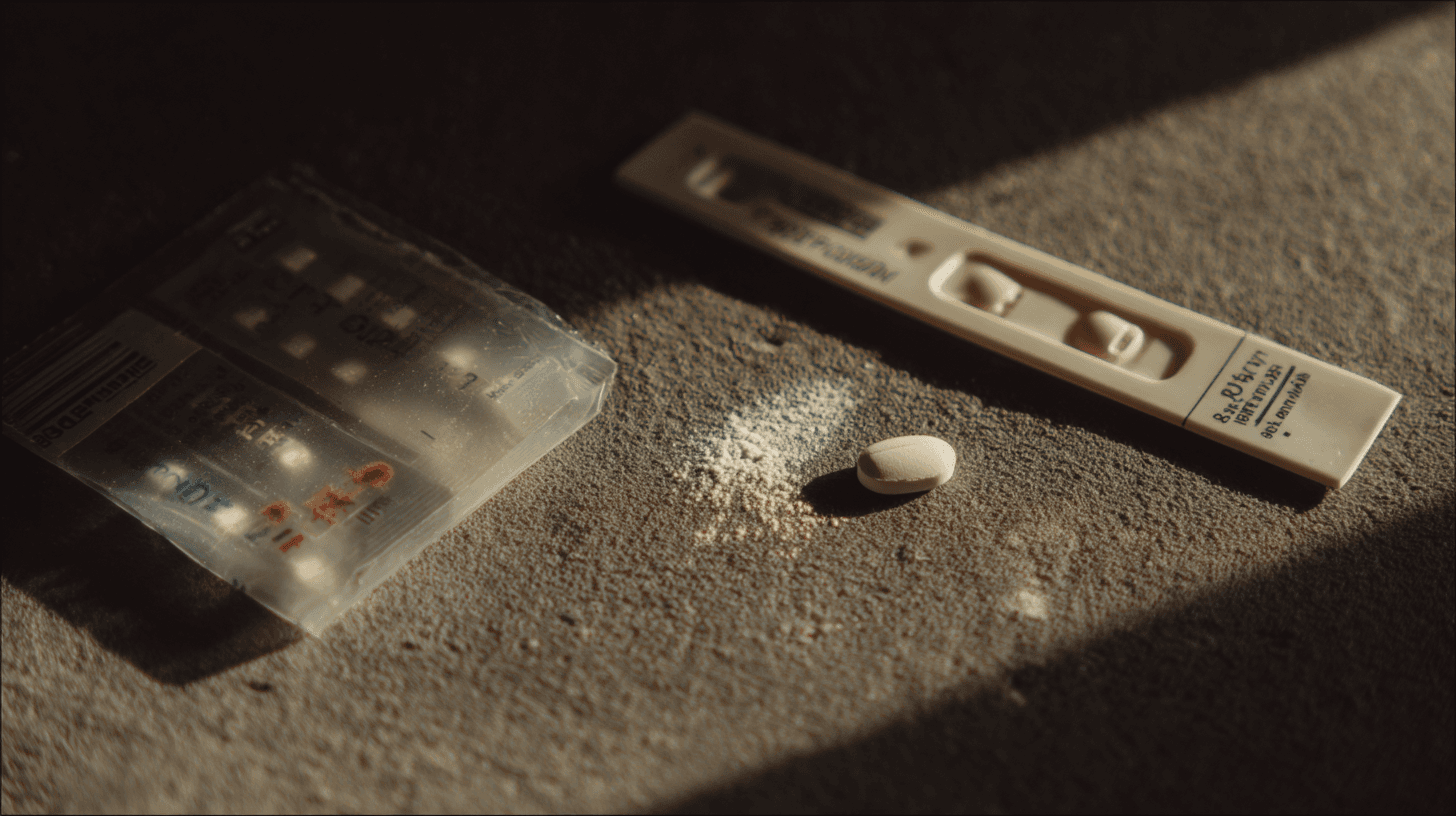
Use fentanyl test strips. These inexpensive strips detect fentanyl in drugs before use. While not 100% accurate, they provide valuable information. Learn how to use them correctly.
Take care of your overall health. Good nutrition, sleep, and managing other medical conditions improve your body's resilience. Building a recovery routine supports both physical and mental health.
After an Overdose: Next Steps and Support
Surviving an overdose is a wake-up call, but it doesn't have to define your path forward. Many people use this experience as motivation to start or restart treatment.
If you or someone you know has experienced an overdose:
Seek medical follow-up. Even if you left the emergency room feeling fine, schedule an appointment with a healthcare provider. They can assess any complications and discuss treatment options.
Don't go through this alone. Overdoses often indicate that current strategies aren't working. This is a good time to reach out for professional support. Medication-assisted treatment combined with counseling has the strongest evidence for preventing future overdoses.
Address underlying issues. Often, return to use happens because of untreated pain, trauma, mental health conditions, or overwhelming stress. Getting comprehensive care addresses these root causes. Grata Health providers treat the whole person, not just the substance use.
Update your safety plan. Make sure multiple people have naloxone and know how to use it. Identify triggers that led to the overdose and develop strategies to manage them differently. Managing triggers is a skill that improves with practice and support.
If you're ready to explore treatment, Grata Health offers telehealth appointments within 24 hours. Most insurance plans are accepted, including Medicaid, Aetna, and Blue Cross Blue Shield. Get started today.
Talking to Loved Ones About Overdose Prevention
If someone you care about uses opioids, these conversations feel uncomfortable but necessary. Approach them with compassion, not judgment.
What to say:
- "I care about you and want you to be safe."
- "Can we talk about overdose prevention? I'd feel better knowing you have naloxone."
- "If you ever need help, I want you to know I'm here — no questions asked."
What not to say:
- "Why don't you just stop?"
- "If you really cared about us, you wouldn't do this."
- "I'll only help if you promise to quit."
Remember that opioid use disorder is a medical condition, not a character flaw. People can't simply will themselves into sobriety, but they can take steps to reduce harm while working toward recovery.
Learn more about talking to loved ones about addiction in a way that opens doors rather than building walls.
The Bottom Line: Preparation Saves Lives
Overdose prevention isn't about enabling drug use — it's about keeping people alive long enough to get help. No one deserves to die from an overdose, and with the right knowledge and tools, most overdose deaths are preventable.
The key actions anyone can take:
- Keep naloxone accessible and learn how to use it
- Never use alone
- Call 911 immediately during an overdose
- Know the signs of overdose and act fast
- Talk openly about prevention with people who might need help
If you're struggling with opioid use, you don't have to wait until you hit rock bottom to get support. Treatment works best when you start early, before a crisis happens. Grata Health makes it easy to begin with online Suboxone treatment that fits into your life.
Same-day telehealth appointments are available in Virginia, Ohio, and Pennsylvania. Most insurance accepted, including Medicaid, Aetna, and Blue Cross Blue Shield. You can take the first step from home, on your schedule. Start your recovery today.
About the author
Editorial Team
The Grata Editorial Team produces evidence-based content on opioid use disorder, medication-assisted treatment, and recovery. Our writers work closely with licensed clinicians to ensure every article reflects the latest medical guidance and supports people seeking help for substance use disorders.
View full profileMedically reviewed by
Clinical Review Team
The Grata Care Team is a group of board-certified physicians and addiction medicine specialists who review all clinical content for accuracy. Our clinicians bring decades of combined experience in opioid use disorder treatment, buprenorphine prescribing, and telehealth-based addiction care.
View full profileReady to start your recovery?
Same-day telehealth appointments with licensed providers. Private, affordable, and covered by most insurance.
Get Care