Fentanyl Test Strips: How They Work and Where to Get Them

Fentanyl has made the unregulated drug supply increasingly unpredictable. It may appear in counterfeit pills or substances sold as something else, and a person may not know it is present.
Fentanyl test strips are one harm-reduction tool that may detect fentanyl in a sample. They cannot establish that a substance is safe, measure potency, or detect every opioid or adulterant.
This guide explains their purpose, limitations, and how to find current instructions and local resources in Virginia, Ohio, and Pennsylvania.
What Are Fentanyl Test Strips?
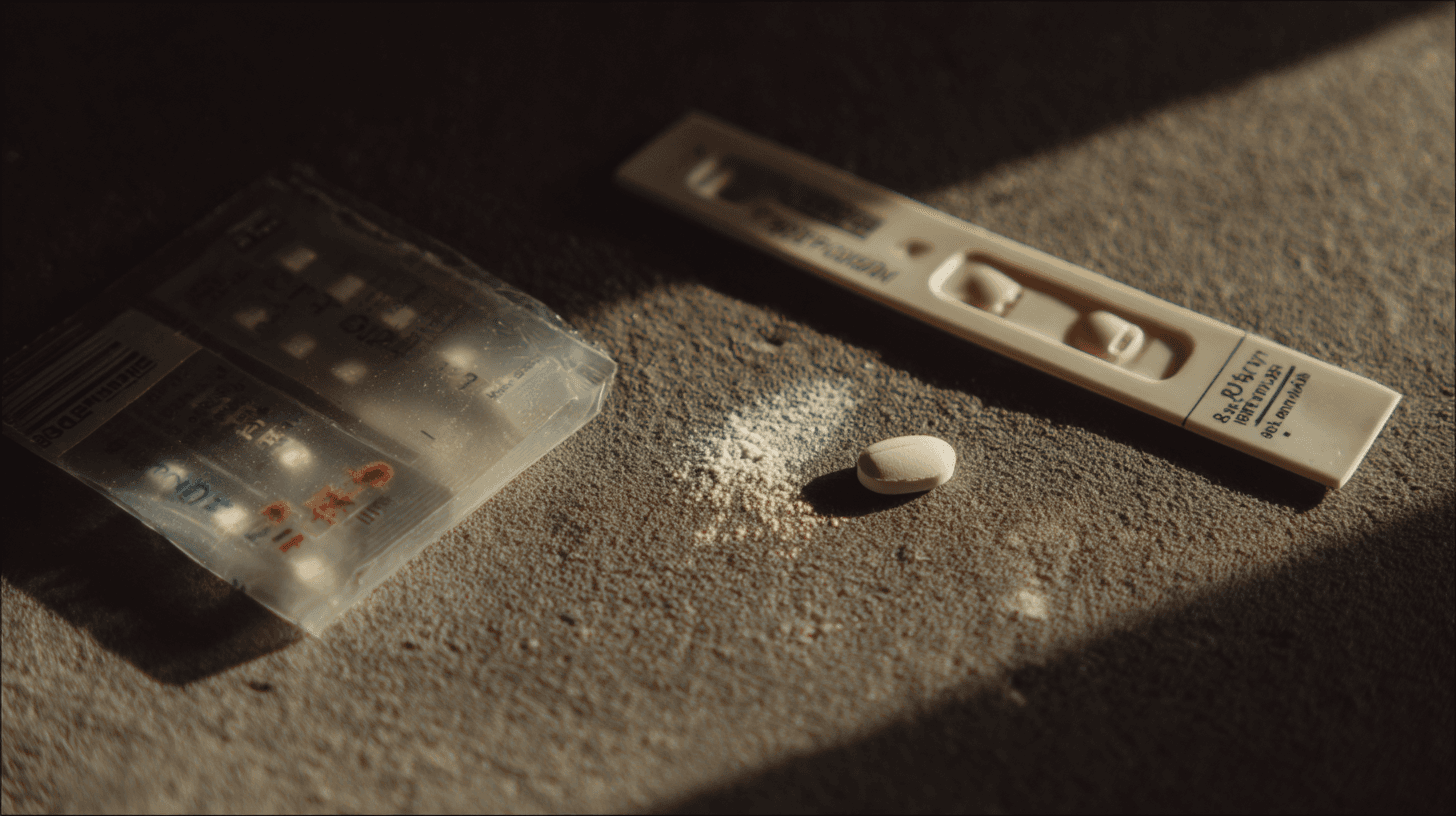
Fentanyl test strips (FTS) are small paper strips that detect the presence of fentanyl and many fentanyl analogs in drugs. They work similarly to a pregnancy test—you add a small amount of your substance to water, dip the strip, and wait a few minutes for results.
Originally designed for urine drug testing, FTS have also been used by harm-reduction programs to check samples. Performance varies by product, substance, concentration, and the compounds present.
These strips do not tell you how much fentanyl is present or guarantee that a substance is safe. Anyone seeking information should use the instructions supplied by the strip manufacturer or a local harm-reduction professional rather than relying on a generic online procedure.
How Fentanyl Test Strips Work
FTS use immunoassay technology. Product-specific instructions explain how that strip should be prepared and interpreted. A strip may fail to detect some fentanyl analogs or other synthetic opioids, and substances unrelated to fentanyl can sometimes affect a result.
How to Get Reliable Instructions
Preparation and interpretation can differ by test-strip brand and by the substance being checked. Use the package instructions for the exact product in hand. A local health department, syringe-services program, or harm-reduction organization can also demonstrate the product and explain known sources of false results.
Do not treat a negative result as proof of safety. The checked portion may not represent the rest of a pill or powder, and a strip may not detect other dangerous ingredients.
Important Limitations of Test Strips
While fentanyl test strips are a valuable tool, they're not foolproof. Understanding their limitations is critical for staying safe.
False Negatives with Novel Analogs
Test strips may not detect newer synthetic opioids like nitazenes, benzimidazole opioids, or very new fentanyl analogs. The illegal drug market constantly evolves, and test strip technology can lag behind.
An unexpected or negative result is not a reason to assume the substance is safe. A local harm-reduction professional can explain whether additional testing is available.
Uneven Distribution
Fentanyl may not be evenly mixed throughout a substance. Testing one part doesn't guarantee the rest is the same. This is especially true with pills or chunks of drugs.
Because distribution can be uneven, no single checked portion can establish the contents of the whole supply.
Cross-Reactivity
Some strips can give false positives with certain methamphetamine cuts or other substances. This is rare, but if you're testing meth and get an unexpected positive, consider using a different brand of test strip or getting your substance tested at a harm reduction site if available.
Test Strips Can't Tell You Everything
A negative test doesn't mean a substance is safe—it only means fentanyl wasn't detected. Other dangerous adulterants like xylazine (a veterinary sedative) won't show up on fentanyl test strips.
Test strips should be understood as a limited screening tool, not a safety certification. Learn about naloxone access and local overdose-prevention resources as separate safeguards.
Are Fentanyl Test Strips Legal?
Rules governing test strips can change and may depend on location or supervision conditions. Check a current state health-department or legal-aid source before relying on a general summary.
Virginia
In 2021, Virginia removed fentanyl test strips from its list of drug paraphernalia. They're now legal to possess, distribute, and sell. Many local health departments and harm reduction organizations provide them free.
Ohio
Ohio legalized fentanyl test strips in 2023 under HB 294. The law explicitly states that FTS are not considered drug paraphernalia. They're available through the Ohio Department of Health and local harm reduction programs.
Pennsylvania
Pennsylvania decriminalized test strips in 2022 via HB 1393. They're now classified as harm reduction supplies rather than paraphernalia. Distribution is encouraged through public health channels.
People on probation, parole, or subject to another supervision agreement should ask qualified counsel or their program about their specific conditions.
Where to Get Free Fentanyl Test Strips
You don't have to buy test strips. Numerous organizations provide them at no cost:
National Resources
NextDistro (nextdistro.org) ships free fentanyl test strips, naloxone, and other harm reduction supplies directly to your home in all 50 states. Orders are discreet with no identifying marks on packaging.
DanceSafe (dancesafe.org) offers test strips and harm reduction education. They ship nationwide and have chapters in many cities.
Virginia Resources
Virginia Department of Health distributes free test strips through local health districts. Check vdh.virginia.gov/surveillance-and-investigation/syndromes/addiction/ for locations.
Local organizations in Richmond, Virginia Beach, Norfolk, and other cities often run syringe services programs that include test strips.
Ohio Resources
Ohio Department of Health coordinates distribution through RecoveryOhio. Visit mha.ohio.gov/health-professionals/about-mental-health-and-addiction-treatment/recovery-services/recoverohio for a list of providers.
Harm reduction organizations in Columbus, Cleveland, Cincinnati, and Dayton provide free supplies.
Pennsylvania Resources
Pennsylvania Department of Drug and Alcohol Programs partners with county authorities to distribute test strips. Visit ddap.pa.gov for county contact information.
Philadelphia, Pittsburgh, and Reading have active harm reduction coalitions offering free supplies and in-person support.
Some pharmacies and community programs carry fentanyl test strips. Availability, eligibility, and price vary, so check current local resources.
How Test Strips Fit Into Harm Reduction
Fentanyl test strips are most effective as part of a comprehensive harm reduction approach:
Always Carry Naloxone
Naloxone (brand name Narcan) reverses opioid overdoses within minutes. Even if you test your substances, carry naloxone and make sure people around you know where it is and how to use it. Our guide on understanding naloxone and overdose prevention covers dosing and administration.
Free naloxone is available in Virginia, Ohio, and Pennsylvania through pharmacies, health departments, and harm reduction programs.
Know the Signs of Overdose
Slow or stopped breathing, blue lips or fingertips, unresponsiveness, and gurgling sounds are all signs of opioid overdose. If you see these symptoms, call 911 immediately, administer naloxone if available, and begin rescue breathing.
Do not delay emergency care because of uncertainty about legal protections. Good Samaritan protections vary by jurisdiction and circumstance.
Consider Treatment Options
Harm reduction doesn't require abstinence, but if you're tired of the risks and want support, medication-assisted treatment with Suboxone is highly effective for opioid use disorder. It dramatically reduces overdose risk and craving while allowing you to stabilize your life.
Grata Health provides telehealth treatment for opioid use disorder in Virginia, Ohio, and Pennsylvania. Coverage and appointment availability should be confirmed for each person and plan.
Using Harm Reduction to Stay Alive
Fentanyl test strips are an imperfect screening tool. Their value lies in providing limited information that can support a broader conversation about overdose prevention and treatment.
Using test strips doesn't mean you're giving up on recovery or that you'll use drugs forever. It means you're taking a practical step to stay alive while you figure out what comes next. Every day you're alive is a day you can make a different choice.
If you're using substances and feeling overwhelmed, you're not alone. Treatment options like Suboxone can reduce cravings and overdose risk while giving you space to work on other areas of your life. Many people start treatment while still using other substances—the first appointment is just about getting connected and seeing what's possible.
Explore treatment options if you would like to speak with a provider about opioid use disorder care.
Grata Health offers same-day telehealth appointments in Virginia, Ohio, and Pennsylvania and accepts most insurance plans. Specific benefits and eligibility vary by plan and individual circumstances.
About the author

Editorial Team
The Grata Editorial Team produces educational content about opioid use disorder, treatment access, and recovery. Articles are written to explain complex topics in clear, supportive language and help readers prepare useful questions for qualified professionals.
View full profileReviewed by
Clinical Review Team
The Grata Care Team supports people seeking treatment for opioid use disorder. When an article names the Grata Care Team as its reviewer, that attribution identifies the clinical review associated with that article.
View full profileReady to start your recovery?
Grata Health offers same-day telehealth appointments in Virginia, Ohio, and Pennsylvania and accepts most insurance plans.