Harm Reduction in Rural Areas: Access and Advocacy

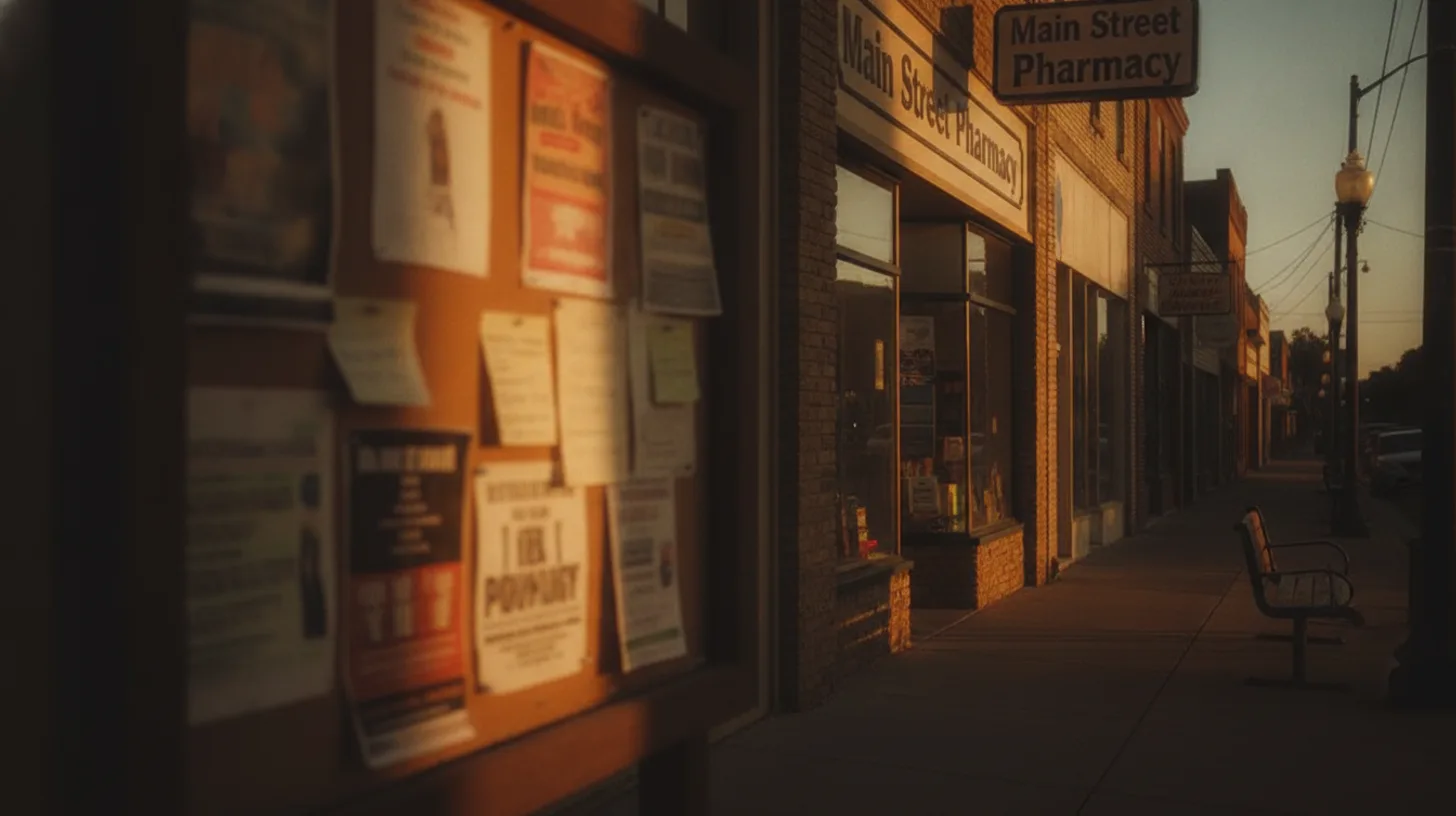
When the nearest pharmacy is 40 miles away and everyone knows your name at the grocery store, accessing harm reduction services looks very different than it does in cities. Rural communities across Appalachian Virginia, Ohio, and Pennsylvania face some of the highest overdose rates in the country, yet they often have the fewest resources to respond.
The opioid crisis hasn't spared rural America — in many ways, it's hit harder there. But harm reduction approaches designed for urban anonymity don't always translate to small towns where privacy is scarce and conservative attitudes toward drug use run deep. The good news? Innovative programs are finding ways to bring life-saving resources to people who need them most, often by working with the grain of rural communities rather than against it.
This post explores the unique challenges of harm reduction in rural areas and the creative solutions that are making a difference — from mail-based naloxone distribution to telehealth services that bring treatment to your kitchen table.
Why Rural Harm Reduction Looks Different
The Anonymity Problem
In cities, you can walk into a syringe services program without worrying that your neighbor will see you. In a town of 3,000 people, that's not always possible. Rural residents often delay seeking help because they fear judgment, gossip, or professional consequences in tight-knit communities.
This lack of anonymity affects everything from picking up naloxone at the pharmacy to attending support groups. When the pharmacist is your kid's soccer coach and the police chief sits in your church pew, stigma becomes a practical barrier, not just an emotional one.
Service Deserts
Many rural counties have no addiction treatment providers at all. Even when services exist, they're often concentrated in county seats that require long drives on winding mountain roads. For people without reliable transportation — or who can't afford to take time off work for appointments — these distances become insurmountable.
The numbers tell the story:
- Rural areas have half as many addiction treatment facilities per capita as urban areas
- Only 30% of rural counties have any medication-assisted treatment providers
- The average rural resident lives 20+ miles from the nearest harm reduction service
- Public transportation is minimal or non-existent in most rural communities
Provider Shortages
Rural healthcare systems struggle to recruit and retain specialized addiction medicine providers. The few doctors who do prescribe buprenorphine or offer harm reduction services are often overwhelmed with patients. Waitlists for new appointments can stretch weeks or months — time that people in crisis simply don't have.
This shortage extends beyond physicians. Rural areas also lack addiction counselors, peer support specialists, and other professionals who make comprehensive treatment possible. Good Samaritan laws and naloxone access mean little if there's no one nearby who knows how to use them.
What Works: Innovative Rural Harm Reduction
Despite these challenges, rural communities are finding creative ways to make harm reduction accessible. Here are models that are proving successful in Appalachian regions of Virginia, Ohio, and Pennsylvania.
Mail-Based Naloxone Distribution
One of the most effective innovations has been mail-based programs that send free naloxone directly to people's homes. These programs eliminate transportation barriers, preserve privacy, and reach people who would never walk into a brick-and-mortar site.
Organizations like NEXT Distro and others operate throughout Appalachia, mailing naloxone kits with simple instructions to anyone who requests them — no questions asked, no insurance required. Recipients can order online or by phone, and packages arrive in discreet packaging within days.
Peer naloxone distribution programs have also adapted this model, training community members to distribute kits through informal networks: at work sites, through churches, or simply to friends and neighbors who might need them.
Telehealth Expands Access
Telehealth addiction treatment can reduce travel for some rural patients. Grata Health offers telehealth opioid use disorder treatment across Virginia, Ohio, and Pennsylvania; availability and clinical eligibility vary.
Telehealth works particularly well for:
- Initial consultations and ongoing medication management
- Individual counseling sessions
- Follow-up appointments after stabilization
- Prescription refills and medication adjustments
Many plans cover some telehealth services, but network rules, eligible services, and cost sharing vary. State telehealth laws and licensure rules also change, so patients should verify whether a provider can treat them from their physical location.
Mobile Harm Reduction Units
Some organizations bring services directly to rural communities through mobile units — essentially harm reduction clinics on wheels. These vans or RVs travel to different towns on scheduled routes, offering naloxone, fentanyl test strips, wound care supplies, and connections to treatment.
Mobile units address both the transportation problem and the anonymity concern. They can park in neutral locations (a library parking lot, a community center) and operate on predictable schedules, allowing people to access services without drawing attention. Staff often build trusted relationships over time, becoming familiar faces that rural residents feel comfortable approaching.
Peer-Led Approaches
Rural communities respond well to peer-led harm reduction because they already operate on informal networks of mutual aid. When someone in recovery becomes trained in peer support and harm reduction, they can reach people through existing relationships rather than institutional channels.
Peer programs work with the grain of rural culture:
- They use trusted relationships instead of anonymous services
- They meet people where they are — literally, in homes, workplaces, or community spaces
- They speak the language of the community
- They understand local barriers and can problem-solve creatively
Many successful rural peer programs partner with local organizations like fire departments, faith communities, or recovery clubhouses rather than trying to create standalone harm reduction centers that might face community resistance.
Overcoming Stigma Through Education
Working With, Not Against, Community Values
Effective rural harm reduction doesn't import urban models wholesale. Instead, it meets communities where they are — often emphasizing public health, family protection, and practical problem-solving over ideological debates about drug policy.
Framing naloxone as a tool for parents, first responders, and neighbors to save lives works better than abstract arguments about harm reduction philosophy. Highlighting local overdose statistics and the faces of people affected (when they're willing to share their stories) makes the crisis real in ways that national data cannot.
Faith Community Partnerships
Churches and faith-based organizations hold significant influence in many rural areas. When they embrace harm reduction as consistent with their values of compassion and healing, they can shift community attitudes quickly. Some congregations have become naloxone distribution sites, hosted educational events, or trained members in overdose prevention.
These partnerships work best when they emphasize practical help over judgment — the same approach that makes faith communities effective at other forms of community support.
Fire Departments and EMS as Allies
Rural fire departments and EMS crews are often the first to respond to overdoses. Many have embraced carrying naloxone and are natural partners for harm reduction education. They see the crisis up close and understand the urgency.
Some rural areas have implemented "leave-behind" programs where first responders provide naloxone kits and resource information after responding to an overdose. This creates a warm handoff to treatment and ensures the person has tools to prevent the next overdose.
Policy and Advocacy Priorities
Protecting Telehealth Access
Telehealth prescribing regulations remain in flux, and rural areas have the most to lose if restrictive policies take effect. Advocates are pushing to make permanent the flexibilities adopted during the pandemic, including:
- Allowing initial buprenorphine prescriptions via telehealth without an in-person visit
- Permitting audio-only visits when broadband access is limited
- Supporting interstate licensing compacts so providers can serve rural areas across state lines
Expanding Medicaid Coverage
Medicaid expansion has been critical for rural harm reduction. In states that have expanded, more people can access both addiction treatment and ancillary services like wound care. Continued advocacy for comprehensive Medicaid coverage of Suboxone and related services remains essential.
Using Opioid Settlement Funds Wisely
Opioid settlement funds represent a historic opportunity to build harm reduction infrastructure in rural areas. Communities are deciding now how to spend these dollars. Advocates are pushing for investments in:
- Mobile harm reduction units
- Peer support programs
- Telehealth infrastructure and broadband expansion
- Naloxone distribution systems
- Transportation assistance for treatment access
Rural communities should ensure these funds reach the most affected areas, not just county seats with existing resources.
Practical Steps for Rural Residents
If you live in a rural area and need harm reduction resources, here's how to access them:
Get naloxone:
- Order free kits by mail from NEXT Distro or similar programs
- Ask your local pharmacy — naloxone is available without prescription in Virginia, Ohio, and Pennsylvania
- Contact your county health department about distribution programs
- Check if your local fire department or library offers kits
Access treatment:
- Explore telehealth options that don't require travel
- Contact Grata Health to ask about current appointment availability in Virginia, Ohio, and Pennsylvania
- Ask about transportation assistance programs if in-person visits are needed
- Inquire about Medicaid coverage — you may qualify even if you haven't applied before
Find support:
- Look for online or phone-based peer support groups
- Check if faith communities in your area offer recovery programs
- Connect with state or county addiction services offices for resource lists
- Ask treatment providers about virtual group therapy options
Be an advocate:
- Attend county meetings about opioid settlement fund allocation
- Share your story (anonymously if you prefer) with local officials
- Support harm reduction education in your community
- Help reduce stigma by talking openly about addiction as a health issue
The Path Forward
Rural harm reduction faces real challenges — distance, stigma, provider shortages, and limited infrastructure. But these barriers aren't insurmountable. Communities across Appalachian Virginia, Ohio, and Pennsylvania are proving that creative approaches, peer leadership, and strategic use of technology can bring life-saving resources to even the most isolated areas.
The key is adapting harm reduction principles to rural realities rather than expecting rural communities to adapt to urban models. When programs honor the strengths of rural culture — tight-knit relationships, mutual aid traditions, practical problem-solving — while addressing its challenges around privacy and access, they can thrive.
Telehealth has emerged as one of the most powerful tools for closing the rural-urban gap in addiction care. It won't solve every problem, but combined with mail-based naloxone distribution, peer networks, and mobile services, it creates a foundation that saves lives.
If you're struggling with opioid use in a rural area, telehealth may be one option. Contact Grata Health about availability and verify coverage with your plan; some needs still require local in-person or emergency care.
Rural communities deserve access to evidence-based harm reduction and treatment. Explore Grata Health's telehealth opioid use disorder intake in Virginia, Ohio, or Pennsylvania. Availability and clinical needs vary.
Grata Health offers same-day telehealth appointments in Virginia, Ohio, and Pennsylvania and accepts most insurance plans. Specific benefits and eligibility vary by plan and individual circumstances.
About the author

Editorial Team
The Grata Editorial Team produces educational content about opioid use disorder, treatment access, and recovery. Articles are written to explain complex topics in clear, supportive language and help readers prepare useful questions for qualified professionals.
View full profileReviewed by
Clinical Review Team
The Grata Care Team supports people seeking treatment for opioid use disorder. When an article names the Grata Care Team as its reviewer, that attribution identifies the clinical review associated with that article.
View full profileReady to start your recovery?
Grata Health offers same-day telehealth appointments in Virginia, Ohio, and Pennsylvania and accepts most insurance plans.