Telehealth MAT for Rural Patients: Closing the Gap


If you live 45 minutes from the nearest addiction treatment clinic, you already know what "healthcare access" really means. It means taking a full day off work for a 20-minute appointment. It means being recognized in the parking lot by someone you know. It means choosing between filling your gas tank and filling your prescription.
For rural communities across Virginia, Ohio, and Pennsylvania, distance can be a major treatment barrier. Telehealth medication-assisted treatment may reduce that barrier, though it is not automatically equivalent or superior for every patient.
In this guide, you'll learn how telehealth MAT may reduce rural access barriers, what to consider if internet access is limited, and which practical questions to ask a provider.
The Rural Treatment Desert
The numbers tell a stark story. According to recent SAMHSA data, over 60% of rural counties in the United States lack a single buprenorphine-prescribing provider. In Appalachian Virginia, parts of southeastern Ohio, and rural Pennsylvania, that percentage climbs even higher.
Meanwhile, rural overdose death rates have surged past urban rates in many regions. The reasons are complex — economic decline, aging populations, limited harm reduction services — but one barrier stands out consistently: distance to treatment.
Traditional in-person medication-assisted treatment requires regular clinic visits, especially during the critical first months. For someone living in rural Garrett County, Pennsylvania or Meigs County, Ohio, this can mean:
- 90-minute one-way drives on two-lane roads
- Missing entire workdays for 15-minute check-ins
- Paying for childcare you can't afford
- Being seen entering an addiction clinic by neighbors or coworkers
These aren't minor inconveniences. They're treatment barriers that directly predict whether someone can access care at all.
How Telehealth Removes Geographic Barriers
Telehealth MAT fundamentally reimagines the treatment model. Instead of requiring patients to travel to providers, it brings providers directly to patients — wherever they are.
Here's what that looks like in practice with Grata Health:
Initial assessment: A video visit from your phone, tablet, or computer. No waiting room, no travel time. You meet with a licensed addiction medicine provider who can prescribe Suboxone (buprenorphine) the same day if clinically appropriate.
Ongoing care: Regular follow-up visits happen on your schedule. Many patients take their appointments during lunch breaks, after kids go to bed, or early morning before work. The flexibility means you're more likely to make every visit.
Prescription management: Your prescription goes directly to your chosen pharmacy — ideally one close to home or work. We'll walk through pharmacy logistics in detail below, because this matters tremendously in rural areas.
Crisis support: If you're struggling between scheduled visits, you can message your care team through a HIPAA-secure platform. No need to wait until the next clinic has an opening or drive an hour hoping to be seen.
The result? Treatment that fits your life instead of asking your life to revolve around treatment. That shift is especially meaningful when your nearest alternative is 40 miles away.
Ready to see if telehealth MAT is right for you? Get started with a free assessment.
The Broadband Challenge (And Phone-Based Solutions)
Let's address the obvious question: what if your internet connection is unreliable or nonexistent?
Rural broadband access remains genuinely limited in many areas. A 2025 FCC report found that nearly 25% of rural Americans lack access to high-speed internet. In mountainous regions of Virginia and Pennsylvania, that percentage is even higher.
The good news: telehealth doesn't require perfect broadband. Grata Health and most telehealth platforms offer multiple connection options:
Phone-only visits: Audio-only eligibility depends on current federal and state rules, the clinician, the visit type, and the patient's circumstances. Confirm before relying on a phone-only option.
Mobile data: Cellular service may be stronger than home internet in some areas, but data use and video quality vary by device and platform. Ask the provider about technical requirements.
Public WiFi: Local libraries, community centers, and even some fast-food restaurants offer free WiFi. While not ideal for every visit due to privacy concerns, it's an option for initial assessments if home connectivity is impossible.
Future expansion: State and federal programs are actively expanding rural broadband. Opioid settlement funds in Ohio, Pennsylvania, and Virginia are being directed partly toward telehealth infrastructure.
The key is working with a provider who understands these challenges and builds flexibility into their model. During your first telehealth appointment, be honest about your connectivity situation. Your care team can help find solutions.
Pharmacy Access in Rural Communities
Getting the prescription is only half the equation. You also need a pharmacy that stocks buprenorphine and accepts your insurance.
Rural pharmacy deserts are real. Small-town independent pharmacies may not keep Suboxone in stock due to DEA regulations, stigma, or simply low demand. Chain pharmacies may be 20+ miles away. And some pharmacists — even in 2026 — still demonstrate bias toward patients with addiction diagnoses.
Here's how to navigate this:
Check pharmacy stock: If medication is prescribed, contact the pharmacy directly about current stock and dispensing requirements before traveling there.
Use pharmacy networks: Most insurance plans, including Medicaid, have preferred pharmacy networks. These pharmacies have negotiated rates and are more likely to stock MAT medications regularly. You can search your plan's network online or call member services.
Ask about pharmacy options: Mail order, supply limits, controlled-medication rules, and clinical appropriateness vary. Confirm options with the prescriber, pharmacy, and plan.
Know your rights: Pharmacists can refuse to fill prescriptions based on professional judgment, but they cannot discriminate based on diagnosis. If you experience inappropriate refusal, document it and report to your state pharmacy board. Our care team can also advocate on your behalf.
The reality is that rural pharmacy access will vary significantly by location. But telehealth providers should actively help you problem-solve this — it's part of comprehensive care, not your burden alone.
The Evidence: Rural Telehealth Works
You might reasonably wonder: does telehealth MAT actually work for rural patients, or is it a convenient compromise that delivers worse outcomes?
Research findings vary by program, population, study design, and outcome. Telehealth can reduce travel and scheduling burdens, but it does not guarantee retention, reduced opioid use, attendance, or satisfaction for an individual patient.
Why does telehealth perform so well in rural settings? Researchers point to several factors:
The elimination of travel barriers means patients can actually attend appointments consistently. In treatment for opioid use disorder, consistency matters enormously — missed visits are one of the strongest predictors of treatment dropout.
Reduced stigma plays a role. In small towns, anonymity is nearly impossible at a local clinic. Telehealth allows truly private care. You're not worried about your truck being seen in the parking lot or running into your kid's teacher in the waiting room.
Better integration with daily life. When treatment fits into your existing routines instead of disrupting them, you're more likely to stick with it. That applies whether you're a rural farmer, a retail worker, or a parent managing childcare.
An Illustrative Rural Scenario
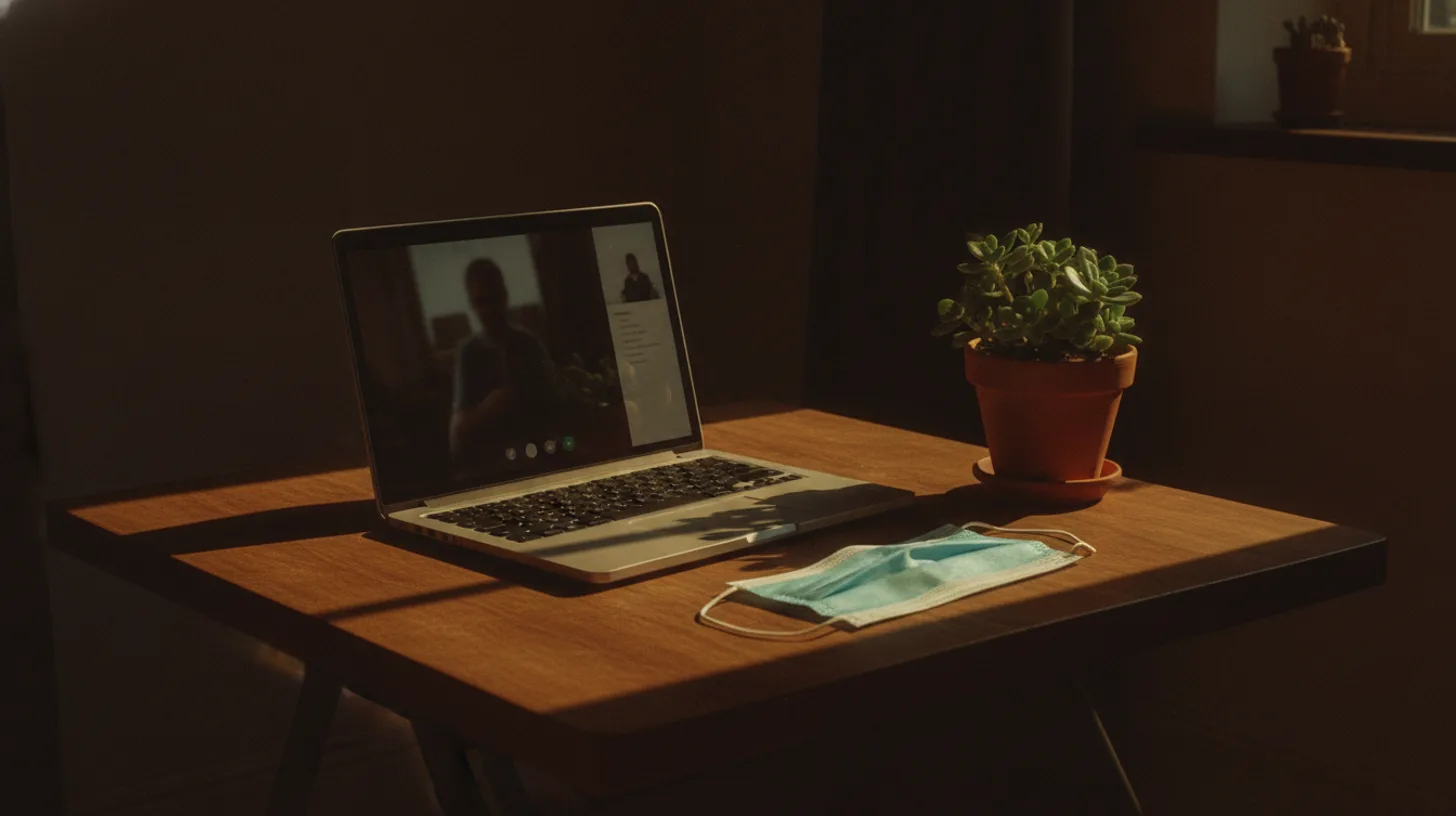
A rural patient might use a private location for a telehealth visit rather than traveling a long distance to a clinic. This is an illustration, not a patient testimonial or a promise of medication, scheduling, attendance, or outcome. Privacy, connectivity, pharmacy access, eligibility, and treatment plans all vary.
For some rural patients, telehealth can reduce travel-related barriers. It does not remove every barrier, and treatment plans and support services differ by provider and patient.
Getting Started with Telehealth MAT
If you're in a rural area of Virginia, Ohio, or Pennsylvania and considering treatment, here's your practical roadmap:
Check your insurance coverage: Most plans, including Medicaid, Aetna, Cigna, and Blue Cross Blue Shield, cover telehealth MAT. Verify your specific plan's telehealth policies and buprenorphine coverage before your appointment.
Identify a pharmacy option: Use your insurance's pharmacy locator or call local pharmacies to confirm they stock Suboxone or generic buprenorphine. Have this information ready when you schedule.
Test your tech setup: You'll need a phone, tablet, or computer with a camera and microphone (for video visits). Download any required apps and test your connection. If video isn't possible, confirm the provider offers phone-only visits.
Request an assessment: Grata Health has an online intake process. Completion time and appointment availability vary.
Prepare for your first visit: Think through your substance use history, current medications, and treatment goals. Review what happens at your intake appointment so you know what to expect. Have your insurance card and ID ready.
A first appointment is an evaluation, not a guarantee of a prescription or start time. The provider will explain any appropriate next steps after assessing the individual patient.
Start your free assessment now — see if telehealth MAT is right for you.
Beyond Access: Building Complete Rural Recovery
Telehealth solves the access problem, but comprehensive recovery involves more than just medication. Rural communities face additional challenges around peer support, counseling access, and harm reduction resources.
The good news: telehealth platforms are expanding to address these gaps too.
Counseling questions: Ask which counseling services or referrals are currently available and whether each clinician participates in your plan. Learn more about counseling alongside MAT.
Peer support connections: While in-person mutual aid meetings may be scarce in rural areas, virtual recovery communities are thriving. Your care team can connect you to online support groups, recovery apps, and telehealth-based peer support.
Harm reduction access: Rural areas often lack syringe services programs and naloxone distribution sites. Telehealth providers can mail naloxone directly to your home in many states and connect you with mail-based harm reduction resources.
Care coordination: If you have a rural primary care doctor or mental health provider, telehealth MAT programs can coordinate care to ensure everyone's on the same page. This integrated approach improves outcomes.
Recovery isn't just about stopping opioid use — it's about rebuilding a meaningful life. Telehealth makes that possible even when you're 50 miles from the nearest treatment center.
The Future of Rural Addiction Treatment
Telehealth isn't a temporary COVID-era workaround. It's the future of rural healthcare delivery, particularly for chronic conditions like opioid use disorder that require long-term management.
Federal policy is catching up. The DEA's elimination of the X-waiver in 2023 means any DEA-licensed prescriber can now prescribe buprenorphine — including via telehealth. This dramatically expanded the potential provider pool for rural areas.
State programs are investing. Ohio, Pennsylvania, and Virginia have all allocated opioid settlement funding toward telehealth infrastructure, provider training, and rural access initiatives.
Technology continues improving. Better mobile platforms, AI-assisted screening tools, and integrated electronic health records make rural telehealth care more sophisticated every year.
Most importantly, the evidence base keeps growing. Every new study reinforces what rural patients already know from lived experience: telehealth MAT works. It's not a second-best option — it's often the best option, period.
Your Next Step
If you're reading this from a rural community, struggling with opioid use disorder, and wondering if treatment is even possible given where you live — it is. Genuinely effective, evidence-based treatment is accessible right now, from wherever you are.
You don't need to drive hours. You don't need to be seen at a clinic. You don't need to choose between your job and your health. Telehealth medication-assisted treatment removes the geographic barriers that have kept too many rural Americans from the care they deserve.
The distance between you and effective treatment isn't measured in miles anymore. It's measured in one decision: whether to take the first step.
Grata Health offers telehealth opioid use disorder evaluations across Virginia, Ohio, and Pennsylvania. Timing, eligibility, prescriptions, technology needs, and insurance participation vary.
Get started with a free confidential assessment today.
Grata Health offers same-day telehealth appointments in Virginia, Ohio, and Pennsylvania and accepts most insurance plans. Specific benefits and eligibility vary by plan and individual circumstances.
About the author

Editorial Team
The Grata Editorial Team produces educational content about opioid use disorder, treatment access, and recovery. Articles are written to explain complex topics in clear, supportive language and help readers prepare useful questions for qualified professionals.
View full profileReviewed by
Clinical Review Team
The Grata Care Team supports people seeking treatment for opioid use disorder. When an article names the Grata Care Team as its reviewer, that attribution identifies the clinical review associated with that article.
View full profileReady to start your recovery?
Grata Health offers same-day telehealth appointments in Virginia, Ohio, and Pennsylvania and accepts most insurance plans.