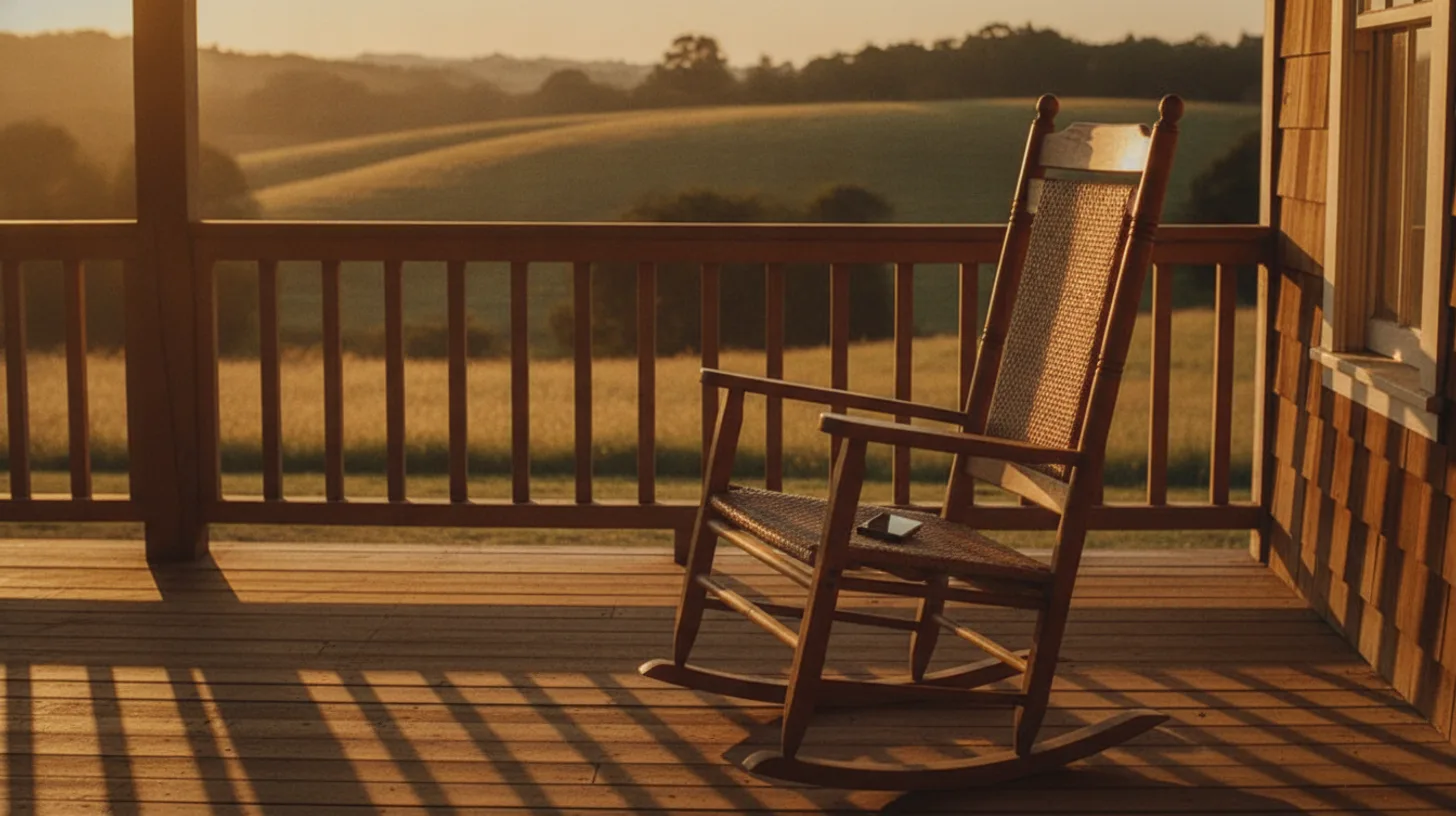
Rural Recovery: Overcoming Treatment Barriers in Appalachia

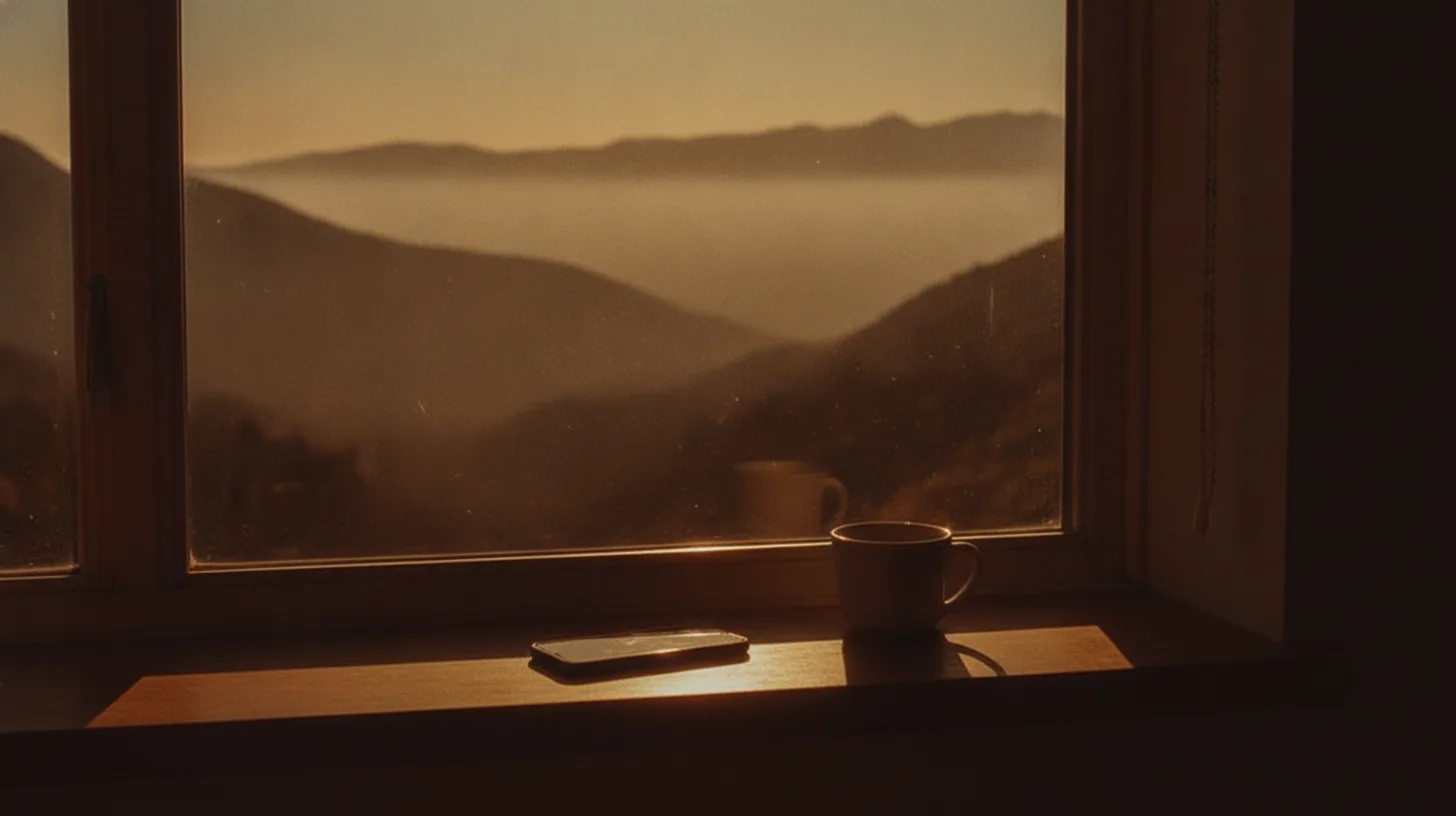
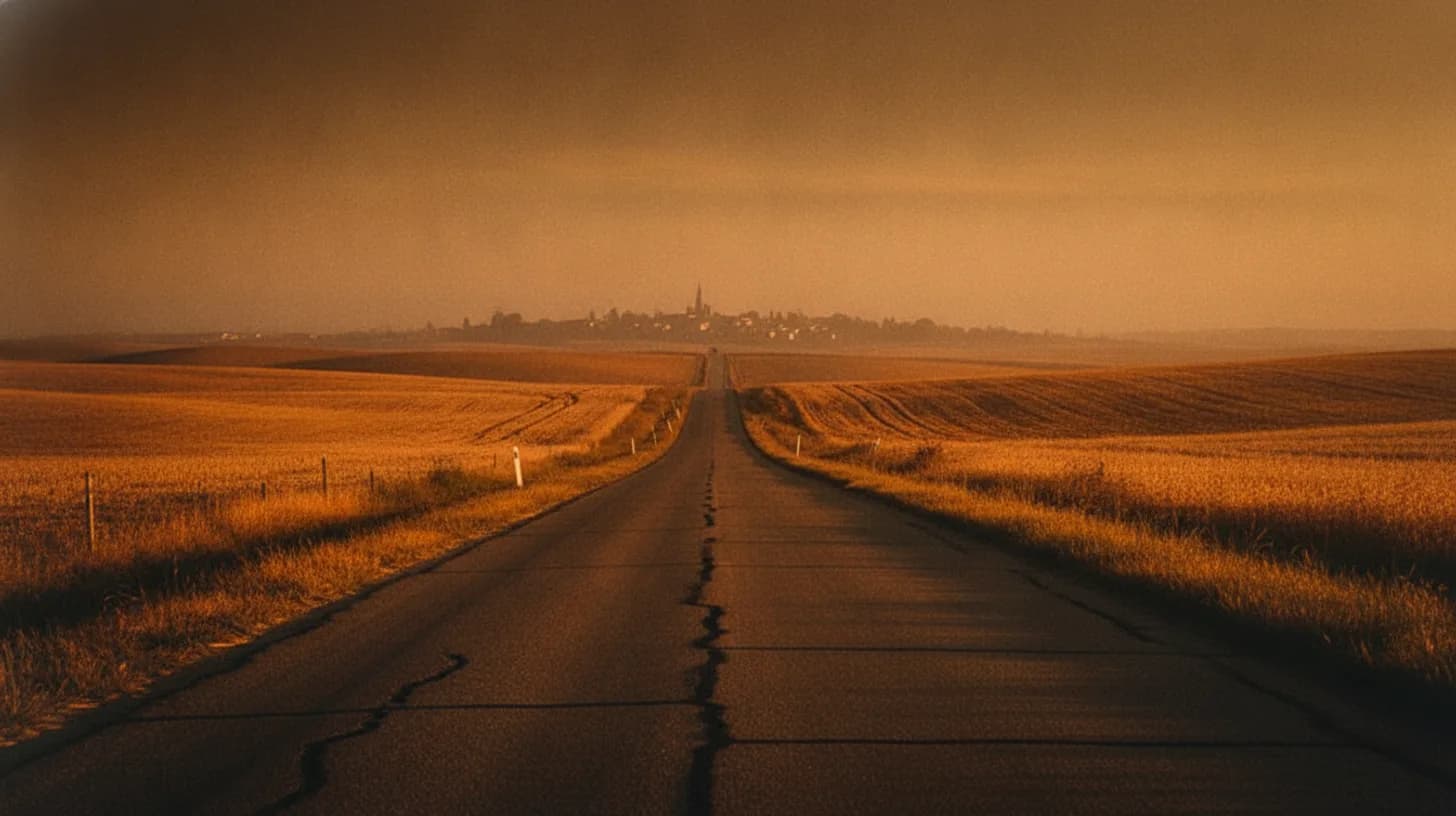
The nearest addiction treatment clinic was 63 miles away. Sarah had counted.
That meant two hours round trip on mountain roads, plus gas money she didn't have, plus explaining to her boss why she needed time off again. In a county where everyone knew everyone, walking into that clinic meant your business becoming the town's business before you even made it back home.
So Sarah waited. And the waiting nearly killed her.
This is a composite story drawn from dozens of conversations with patients in rural Appalachia — the challenges they faced, the isolation they endured, and the moment when telehealth changed what recovery could look like. Names and details have been changed, but the barriers are heartbreakingly real.
The Distance Problem: More Than Just Miles
When people talk about rural treatment access, they often focus on distance. But for Sarah, living in a holller outside a small Virginia town, it wasn't just about the 63 miles.
It was about the pharmacy that only stocked Suboxone for two people, and you had to know them to get in line. It was about the one counselor who served three counties and had a six-month waitlist. It was about the fact that her truck needed new brakes, and choosing between car repairs and doctor visits felt like choosing between today and tomorrow.
The real barriers stacked up:
- Nearest Suboxone treatment provider over an hour away
- Limited public transportation (one bus, twice weekly to the county seat)
- Spotty cell service in the hollers, unreliable home internet
- Only one pharmacy within 30 miles that carried buprenorphine
- Work schedules that didn't allow for four-hour medical appointments
- The certain knowledge that someone would see your car in that parking lot
Sarah had tried once before. She'd driven to the clinic, sat in the parking lot for twenty minutes, and drove home. Her cousin's husband worked in the building next door. By that evening, three people had texted her mom asking if everything was okay.
In a small town, anonymity isn't an option. And when stigma runs deep, that lack of privacy can feel like a wall you can't climb.
Everyone Knows Everyone: The Stigma Multiplier
Addiction stigma exists everywhere. But in close-knit rural communities, it operates differently. There's no blending into a crowd, no anonymous recovery meetings in the next neighborhood over.
Sarah described it like this: "In the city, you can be sick and get help and nobody at your work needs to know. Here, your boss's wife is friends with the clinic receptionist, who goes to church with your aunt. You're not just fighting to get better. You're fighting to keep your job, your reputation, your place in the only community you've ever known."
The shame was suffocating. Sarah had watched her uncle lose his job at the lumber mill after someone from HR saw his car at a methadone clinic three counties over. She'd heard the whispers about the neighbor who "went away to get help" and came back to find people crossing the street to avoid her.
Talking to loved ones about addiction is hard enough. Talking to an entire town — or trying to hide from one — felt impossible.
The Technology Gap: When "Just Go Online" Isn't Simple
When Sarah finally called a telehealth provider, she almost hung up when they asked, "Do you have reliable internet access?"
Her home internet was satellite — expensive, slow, and it cut out every time it rained. Her cell phone worked in town, but not at her house up the mountain. The library had WiFi, but it closed at 5 PM, and she worked until 6.
Rural technology barriers people don't talk about:
- Broadband deserts where high-speed internet simply isn't available
- Data caps that make video appointments a luxury
- Dead zones where cell service drops mid-call
- Older devices that can't run telehealth apps
- Digital literacy gaps that make navigating online portals overwhelming
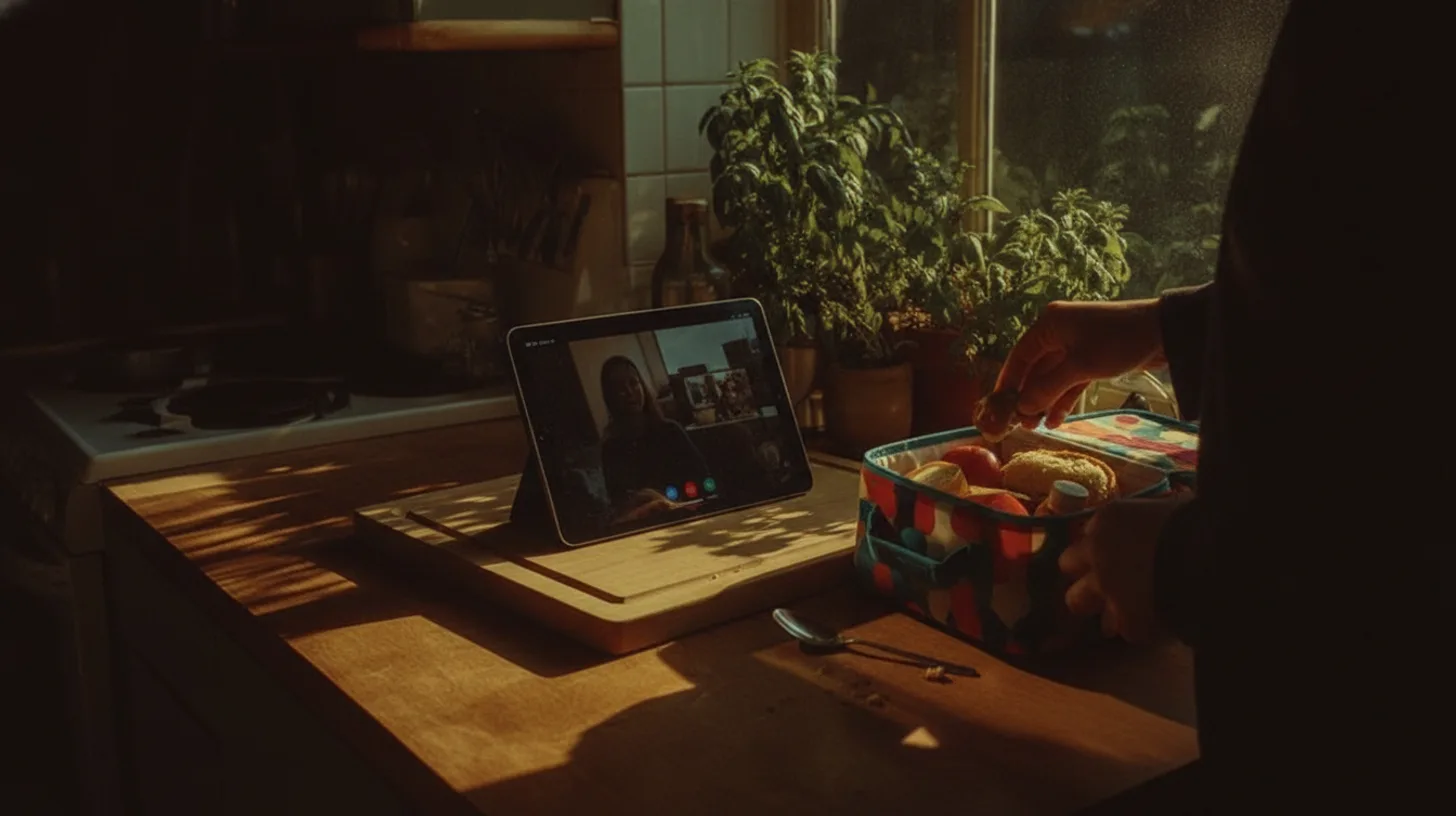
Sarah ended up doing her first telehealth appointment from the McDonald's parking lot in town, sitting in her truck with her phone connected to their WiFi. It wasn't ideal. But it was possible.
And that made all the difference.
The First Appointment: Someone Who Got It
Sarah had expected judgment. She'd expected a doctor who'd never set foot in Appalachia to lecture her about choices and consequences. She'd expected to feel like a case number, a problem to be managed from three states away.
Instead, her provider asked about the closest pharmacy. About whether she had someone who could help her get there. About what happened the last time she tried to quit on her own.
"They asked about my life, not just my drug use," Sarah said. "They understood that I couldn't just take off work for weekly appointments. They got that the pharmacy situation was complicated. They treated the whole problem, not just the prescription."
Understanding what happens at intake helped Sarah prepare. But nothing prepared her for the relief of being seen — really seen — by someone who understood that rural recovery isn't just urban recovery with more driving.
The provider prescribed Suboxone and sent it to the one pharmacy within reasonable distance. They scheduled follow-ups for evenings when Sarah could get cell service. They connected her with a telehealth counselor who specialized in rural patients and understood the isolation.
For the first time in years, Sarah felt like recovery might actually be possible.
Pharmacy Access: The Forgotten Piece of Rural Treatment
Getting the prescription was one thing. Filling it was another.
The pharmacy in town had buprenorphine, but they rationed it. They had enough for their regular customers, and they weren't taking new ones. The pharmacist suggested Sarah try the next town over — another 40 minutes round trip.
When she finally found a pharmacy that would fill her prescription, they told her they needed 48 hours notice to order it. Every month, she'd have to call ahead, hope they could get it, and coordinate the pickup around work and gas money and whether her truck would make it.
Her Grata Health care team helped her navigate this. They called pharmacies on her behalf. They switched her prescription to a different formulation when one pharmacy ran out. They helped her understand her insurance coverage so she knew what to expect at the counter.
These aren't medical interventions. They're logistical realities that can make or break rural recovery. And telehealth providers who understand rural challenges know they're just as important as the medication itself.
Building Community in Isolation: The Long Road Back
The medication stabilized Sarah. But medication alone doesn't cure loneliness.
She'd lost friends when her use got bad. The ones who stuck around didn't know how to talk about recovery. Her family was supportive but bewildered — they wanted to help, but didn't know how.
Building a support network in recovery looked different in a rural community. There were no daily recovery meetings. The nearest NA group met once a week, 30 minutes away, at a time when Sarah was working.
Her telehealth counselor connected her with online recovery communities. Sarah joined a forum for people in long-term recovery from opioid use disorder. She started following recovery accounts on social media. Slowly, she realized she wasn't alone — even when she was physically isolated.
She also started being honest with the people close to her. She told her best friend she was in recovery. She told her boss she needed accommodations for medical appointments. She started showing up to the weekly recovery meeting when she could, even though it meant leaving work early.
Recovery milestones that mattered most to Sarah:
- 30 days without using: The first time she believed she could do this
- 60 days: The first time she went to a recovery meeting and shared her story
- 90 days: The first time someone at work said, "You seem like yourself again"
- 6 months: The first time she helped someone else get into treatment
The isolation didn't disappear overnight. But it loosened its grip. Sarah learned that recovery in a small town meant being brave enough to take up space, to be visible in her healing, to trust that the community that knew her worst days could also celebrate her best ones.
What Changed: The Telehealth Turning Point
Sarah's story isn't unique. Across Appalachia and rural America, patients are finding recovery through telehealth when in-person treatment remains out of reach.
What made telehealth work for Sarah:
Flexibility: Appointments scheduled around her work and her cell service, not clinic hours.
Privacy: She could meet with her provider from her truck, her home when internet worked, or a quiet corner of the library. No one needed to know.
Consistency: Same provider every time, someone who understood her situation and adjusted the treatment plan around her real life.
Coordination: Her care team handled pharmacy calls, insurance questions, and prior authorizations so she could focus on recovery.
Support: Access to counseling, peer support, and crisis resources without the two-hour drive.
But Sarah is quick to point out what telehealth can't solve: poverty, stigma, pharmacy deserts, the broadband gap, the isolation that comes with being poor and sick in a place the rest of the country forgets.
"Telehealth didn't fix rural America," she said. "But it gave me a fighting chance when nothing else did."
The Bigger Picture: Rural Recovery Needs Systemic Solutions
Sarah's recovery required more than a prescription and WiFi. It required:
- Virginia Medicaid coverage that paid for her treatment
- State telehealth laws that allowed her provider to treat across state lines
- Pharmacy policy changes that balanced diversion concerns with patient access
- A care team that understood rural barriers weren't excuses, they were realities to navigate
It also required courage. The courage to reach out when isolation felt safer. The courage to keep showing up when the obstacles felt insurmountable. The courage to believe that recovery was possible even when the system wasn't designed for people like her.
Treatment success in rural areas depends on meeting patients where they are — geographically, technologically, and emotionally. It means understanding that a missed appointment might not be about motivation, it might be about an internet outage or a truck that won't start.
You Don't Have to Do This Alone
If you're reading this from a rural community, know this: the barriers are real, and they're not your fault. The distance, the stigma, the lack of resources — none of that means you don't deserve recovery.
Grata Health provides telehealth Suboxone treatment in Virginia, Ohio, and Pennsylvania, with a focus on serving rural communities where access is limited. We accept most major insurance plans, including Medicaid, and we understand that rural recovery requires flexibility, patience, and providers who get it.
Recovery in Appalachia looks different than recovery in cities. It requires creative solutions, understanding providers, and the recognition that showing up for yourself is an act of bravery when the whole town is watching.
Sarah's recovery isn't perfect. She still struggles with triggers, with the isolation, with the fact that the nearest recovery meeting is 30 minutes away. But she's no longer white-knuckling it alone in the hollers, convinced that help is only for people who live somewhere else.
She's building a life in recovery — one telehealth appointment, one honest conversation, one small-town Sunday at a time.
If you're ready to take that first step, we're here. Get started today — no judgment, no impossible requirements, just real support for real people trying to get well in the real world.
About the author
Editorial Team
The Grata Editorial Team produces evidence-based content on opioid use disorder, medication-assisted treatment, and recovery. Our writers work closely with licensed clinicians to ensure every article reflects the latest medical guidance and supports people seeking help for substance use disorders.
View full profileMedically reviewed by
Clinical Review Team
The Grata Care Team is a group of board-certified physicians and addiction medicine specialists who review all clinical content for accuracy. Our clinicians bring decades of combined experience in opioid use disorder treatment, buprenorphine prescribing, and telehealth-based addiction care.
View full profileReady to start your recovery?
Same-day telehealth appointments with licensed providers. Private, affordable, and covered by most insurance.
Get Care