Building a Support Network in Addiction Recovery

Recovery from opioid use disorder isn't meant to be walked alone. Yet one of the cruelest aspects of addiction is how it systematically isolates people from the relationships and communities that could help them heal. You might have burned bridges with family, lost touch with friends who don't understand addiction, or simply feel like you don't belong anywhere.
Supportive relationships can make it easier to ask for help, stay connected, and manage difficult days. A support network is not a guarantee against relapse, and its role will look different for each person.
This guide will walk you through building a robust support network from scratch, even if you're starting from a place of profound isolation. We'll cover traditional 12-step groups, alternative recovery communities, online options, peer support, family involvement, and how to find genuine connection in Virginia, Ohio, and Pennsylvania.
Why Support Networks Matter in Recovery
When you're using opioids, your world shrinks. The drug becomes your primary relationship, your social circle narrows to people who use, and activities revolve around obtaining and using. Recovery requires filling that void with healthy connections.
Support networks serve multiple functions in recovery:
- Accountability without judgment: People who understand addiction can hold you accountable in ways that feel supportive rather than punitive.
- Lived experience wisdom: Someone who's been through medication-assisted treatment can answer questions your doctor can't, like how it really feels to adjust to Suboxone or navigate social situations early in recovery.
- Crisis intervention: When you're managing triggers or considering relapse, having someone to call makes the difference between using and staying well.
- Social belonging: Recovery communities offer identity and purpose beyond addiction — you're not just "a person in recovery," you're someone who helps others recover.
The neuroscience backs this up. Social connection activates reward pathways in your brain that were hijacked by opioids. Meaningful relationships literally help rewire your brain for wellness.
Traditional 12-Step Meetings: Alcoholics Anonymous and Narcotics Anonymous
AA and NA remain the most widely available recovery support options. Love them or hate them, they're accessible almost everywhere, including smaller towns in rural Virginia, Ohio, and Pennsylvania.
What to expect at your first meeting
Most meetings follow a similar structure: someone reads the opening, shares their story, and opens the floor for others to speak. You can listen without sharing. You can leave early. Nobody will ask for your last name or track your attendance.
Open meetings welcome anyone interested in learning about addiction. Closed meetings are for people who identify as having a substance use problem. As someone in recovery from opioid use disorder, you're welcome at either.
Finding meetings in VA, OH, and PA
Virginia: The Virginia Area of Narcotics Anonymous lists hundreds of meetings across Richmond, Virginia Beach, Norfolk, Arlington, and rural areas. AA meetings are searchable through AA Virginia.
Ohio: Ohio Region NA covers Columbus, Cleveland, Cincinnati, and smaller communities. AA Ohio maintains a comprehensive meeting directory.
Pennsylvania: Greater Philadelphia Area NA and Pittsburgh NA serve the state's major cities. PA AA lists meetings statewide.
Most areas now offer hybrid meetings — both in-person and virtual via Zoom, which can ease the intimidation of attending your first meeting.
Is 12-step right for you?
The spiritual component of AA/NA works beautifully for some people and feels alienating to others. The emphasis on powerlessness doesn't resonate with everyone, especially people who need to feel empowered after addiction stripped away their agency.
You don't have to commit to anything at your first meeting. Try three different meetings before deciding whether this format works for you. Meeting culture varies wildly — a young people's meeting in Columbus feels completely different from a noon meeting in Harrisburg.
Alternative Recovery Communities
If 12-step doesn't fit, several evidence-based alternatives exist.
SMART Recovery
SMART (Self-Management and Recovery Training) uses cognitive-behavioral techniques rather than spiritual principles. It's structured around four points: building motivation, coping with urges, managing thoughts and behaviors, and living a balanced life.
SMART offers both in-person and online meetings. Their online meeting schedule is particularly robust, making it accessible even in rural areas. Find meetings at smartrecovery.org.
Refuge Recovery and Recovery Dharma
These Buddhist-informed programs emphasize mindfulness, meditation, and compassionate investigation of suffering. They're less common than 12-step but growing in urban areas like Philadelphia, Cleveland, and Arlington.
LifeRing Secular Recovery
LifeRing focuses on practical, secular recovery without spiritual components. Meetings are smaller and less frequent but offer a judgment-free space for people who want peer support without religious overtones.
Women for Sobriety and Secular Organizations for Sobriety
Specialized groups for women and secular recovery seekers respectively. Both offer online meetings that supplement limited in-person options.
The key is finding a community where you feel both challenged and accepted. Where people understand what medication-assisted treatment involves without stigmatizing you for taking Suboxone.
Online Recovery Communities
Digital connection isn't a replacement for face-to-face support, but it's invaluable when you're homebound, live rurally, or work nights.
Recovery-focused social platforms
In The Rooms offers 130+ online meetings per week across all recovery pathways. You can join from your phone during lunch break or late at night when cravings hit.
r/OpiatesRecovery and r/Suboxone on Reddit host active communities where people share real-time experiences with starting Suboxone, managing side effects, and celebrating milestones.
Facebook groups dedicated to MAT recovery can feel more personal than Reddit. Search for groups specific to Suboxone, buprenorphine, or recovery in your state.
Text-based support apps
Loosid connects sober people for activities and events. Sober Grid offers GPS-based "burning desire" features to find nearby people in recovery when you need immediate support.
Quality control in online communities
Not all online spaces are recovery-supportive. Watch for red flags like romanticizing drug use, stigmatizing medication-assisted treatment, or pushing unproven "natural" alternatives to evidence-based care.
Good online communities celebrate people on Suboxone long-term, discuss counseling alongside medication, and don't shame people who experience relapse.
Learn more about peer support in treatment to understand what makes recovery communities effective.
Peer Recovery Support Services
Certified peer recovery specialists are people with lived addiction experience who've completed training to support others professionally. This is different from volunteering at a meeting — it's a paid role within treatment systems.
What peer specialists do
They help navigate treatment systems, attend appointments with you, connect you to resources like naloxone access programs, and provide non-clinical emotional support. Think of them as guides who've walked the path you're walking.
Peer support is particularly valuable when you're transitioning back to work, dealing with child custody concerns, or rebuilding family trust.
Finding peer support in VA, OH, and PA
Some Medicaid programs and treatment programs cover or offer peer recovery services. Ask your plan and provider what is available locally.
Virginia: The Virginia Peer Recovery Specialist Association maintains a directory.
Ohio: Ohio Association of Recovery and Peer Support offers statewide resources.
Pennsylvania: Recovery Community Organizations list peer support by county.
Involving Family and Friends
Family involvement in recovery is complicated. Some relationships are sources of genuine support. Others are toxic and need boundaries. Many fall somewhere in between.
When family support helps
When a patient wants family involvement and it is clinically appropriate, family members may be able to support treatment by:
- Educate themselves about opioid use disorder and medication-assisted treatment
- Attend family therapy or support groups like Nar-Anon
- Respect treatment confidentiality while staying engaged
- Understand that recovery takes time and includes setbacks
If you have family members willing to learn, talking to loved ones about addiction productively can transform these relationships from sources of shame to sources of strength.
When family involvement hurts
Not everyone deserves a front-row seat to your recovery. Family members who:
- Stigmatize Suboxone as "replacing one drug with another"
- Weaponize past mistakes to control your present choices
- Refuse to respect boundaries around privacy or triggering topics
- Make your recovery about their emotional needs
These relationships might need clear boundaries or even distance while you stabilize. That's okay. Your sobriety comes first.
Finding the middle ground
Many families want to help but don't know how. Consider inviting them to:
- One family therapy session to learn about MAT
- A Nar-Anon meeting to connect with other families
- Read resources from treatment providers about supporting someone on Suboxone
Give them specific, actionable ways to help: "Check in once a week without asking intrusive questions," or "Help me find sober social activities."
Building New Sober Friendships
Losing your entire social circle to addiction and having to start over in your 30s, 40s, or beyond feels devastating. But it's also an opportunity to build relationships based on who you're becoming, not who you were.
Where to meet sober people
Beyond recovery meetings, look for:
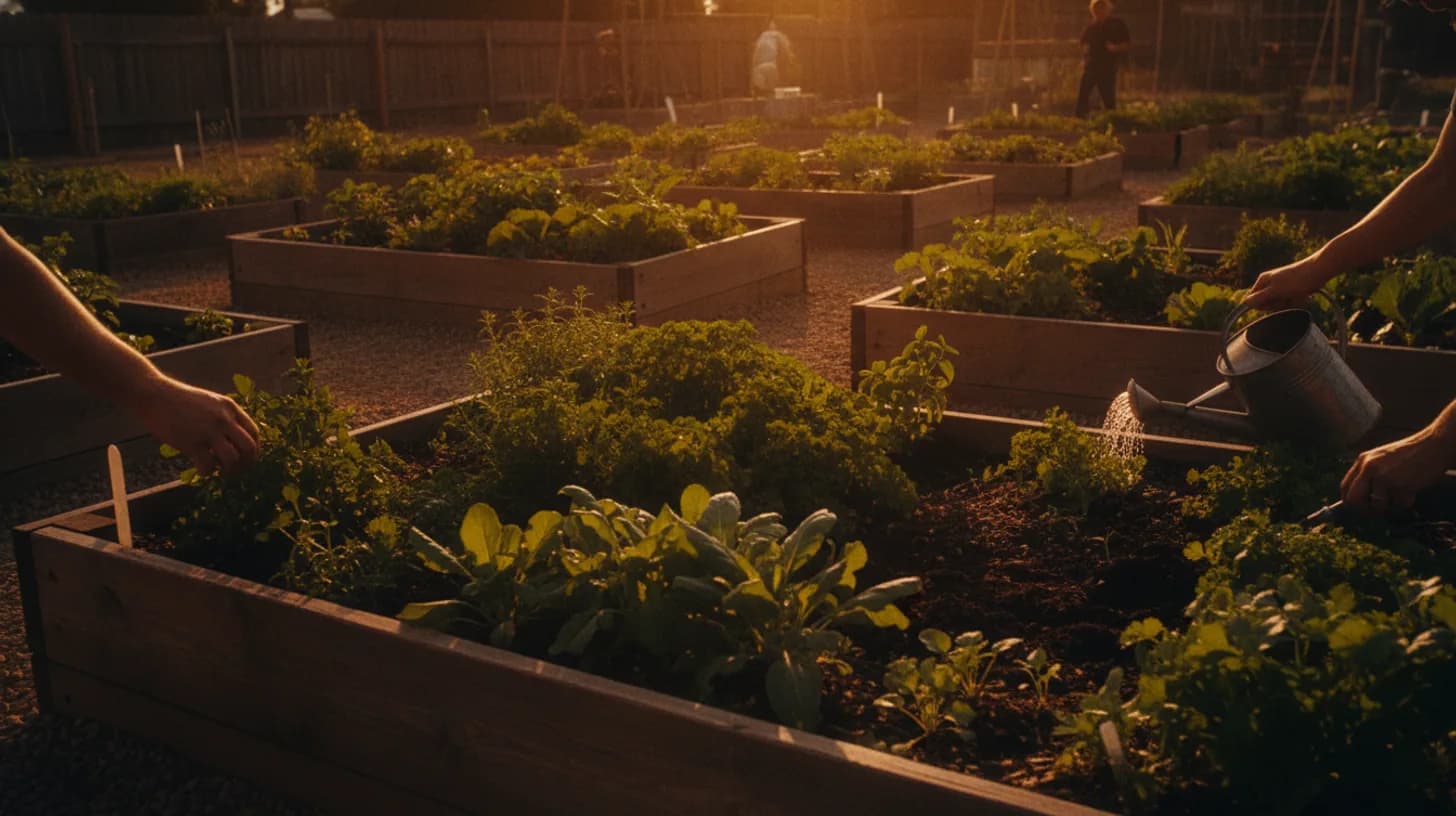
- Volunteer opportunities (animal shelters, food banks, community gardens)
- Fitness groups (running clubs, yoga classes, climbing gyms)
- Creative workshops (pottery, painting, music jams)
- Faith communities if that aligns with your values
- Community college classes
- Sober social events through apps like Loosid or Meetup
The goal isn't just to avoid drinking or drug use — it's to build a life so full of meaning and connection that substances seem less appealing by comparison.
How to make friends when social skills feel rusty
Start with small, structured interactions. Show up to the same yoga class every Thursday. Volunteer at the same shift each week. Consistency helps relationships develop naturally.
Don't lead with "I'm in recovery" unless it's relevant. You're not obligated to explain your sobriety to everyone. You can simply say you don't drink and redirect to shared interests.
When you do connect with someone who seems like friend material, suggest low-pressure activities: coffee, a walk, a museum visit. Sober socializing gets easier with practice.
Ready to explore treatment and support options? Get started with Grata Health and ask what resources are available for your situation.
Creating Structure: Recovery Routines and Rituals
Individual support relationships matter, but so does the structure that holds them together. Building a daily recovery routine creates predictable touchpoints with your support network.
Consider commitments like:
- Attending one meeting per week (in-person or virtual)
- Daily check-ins with an accountability partner
- Weekly phone calls with your sponsor or peer supporter
- Monthly social activities with sober friends
- Regular individual counseling or group therapy sessions
These rituals create rhythm and accountability. When you're struggling, having scheduled touchpoints means you don't have to muster energy to reach out — the connection is already built into your week.
What to Do When You Feel Like You Don't Belong
Almost everyone feels like an imposter at their first recovery meeting. You might think:
- "My addiction wasn't bad enough for this"
- "Everyone here seems to have their life together and I'm a mess"
- "I take Suboxone so I'm not really in recovery"
- "I don't relate to anyone here"
These thoughts are normal, but they're not accurate. Recovery communities are full of people who initially felt out of place and eventually found belonging.
Give it time
The "try three meetings" rule exists because first impressions are often misleading. The person who seemed intimidatingly together at meeting one might share something deeply vulnerable at meeting three that helps you see the common humanity.
Look for your subgroup
Large, heterogeneous recovery communities often have subgroups: young people in recovery, LGBTQ+ recovery groups, parents in recovery, professionals in recovery. Finding "your people" within the larger community creates connection faster.
Talk about feeling alienated
Ironically, sharing "I don't feel like I belong here" often reveals that half the room felt the same way. Vulnerability creates connection.
Maintaining Boundaries in Recovery Communities
Support networks should feel supportive, not draining. Watch for warning signs that a relationship or group isn't serving your recovery:
- Someone trying to become your sole support rather than part of a network
- Pressure to share before you're ready
- Gossip or drama that reminds you of active addiction dynamics
- Anyone suggesting you stop medication without medical supervision
- Financial requests or other boundary violations
Healthy recovery communities celebrate medication-assisted treatment, respect privacy, and encourage diverse support rather than codependent reliance on single relationships.
If a sponsor, peer supporter, or friend suggests tapering off Suboxone before you and your medical team decide you're ready, that's a red flag. Your treatment plan is between you and your provider.
Special Considerations for Telehealth Patients
If you're receiving telehealth addiction treatment, you might wonder how to build local support when your provider is virtual.
The beauty of telehealth is that it removes geographic barriers to medical care, but you still benefit enormously from local peer connections. Someone in Richmond getting care through Grata Health can still attend NA meetings in Richmond, connect with local peer supporters, and build friendships with sober people in their community.
Virtual treatment also opens up virtual support options. You can attend online meetings from anywhere, connect with peer communities across time zones, and access support at odd hours when local meetings aren't available.
The combination — telehealth medical care plus local community support — often provides the best of both worlds: convenience and accessibility for treatment, deep connection and belonging locally.
When Professional Support Is Needed
Peer support and recovery communities are invaluable, but they're not substitutes for professional care. You still need:
- Medical oversight of your medication (Suboxone, for example)
- Mental health treatment if you have co-occurring conditions
- Professional counseling or therapy to work through trauma, develop coping skills, and process difficult emotions
Think of your support network as concentric circles: your treatment team at the center, recovery meetings and peer support in the next ring, family and friends in another ring, and broader community connections in the outermost ring.
Each layer serves a different function. Don
About the author

Editorial Team
The Grata Editorial Team produces educational content about opioid use disorder, treatment access, and recovery. Articles are written to explain complex topics in clear, supportive language and help readers prepare useful questions for qualified professionals.
View full profileReviewed by
Clinical Review Team
The Grata Care Team supports people seeking treatment for opioid use disorder. When an article names the Grata Care Team as its reviewer, that attribution identifies the clinical review associated with that article.
View full profileReady to start your recovery?
Grata Health offers same-day telehealth appointments in Virginia, Ohio, and Pennsylvania and accepts most insurance plans.