Finding New Hobbies in Recovery: Ideas to Try Today

Boredom is one of the most underestimated relapse triggers. After years of using opioids, your brain has learned to expect intense dopamine hits from substances. When those are gone, everyday life can feel flat and empty. You might find yourself with hours of unstructured time and no idea how to fill them in ways that feel meaningful.
This isn't a character flaw or weakness. It's neuroscience. Opioid use disorder literally changes how your brain processes reward and pleasure. Recovery means retraining those pathways, and hobbies are one of the most powerful tools you have.
In this guide, we'll explore why hobbies matter so much in recovery, how they help rebuild your brain's reward system, and specific activities you can try today—whether you're creative, active, social, or intellectually curious.
Why Boredom Is So Dangerous in Recovery
When you're in active addiction, your life revolves around one central activity: getting and using drugs. That structure disappears when you start treatment. Suddenly you have empty evenings, weekends with no plans, and a brain that's screaming for stimulation.
Boredom can feel uncomfortable during recovery, and structured activities may help some people create routine and connection. Hobbies are supportive activities, not a method for predicting or preventing relapse.
But here's the good news: hobbies don't just kill time. They actively help your brain heal.
How Hobbies Rebuild Your Brain's Reward System
Opioids flood your brain with dopamine—the neurotransmitter that signals reward and pleasure. Over time, your brain stops producing as much dopamine naturally and becomes dependent on the drug to feel normal. This is called downregulation.
When you stop using, your dopamine system is depleted. Things that used to bring you joy—music, food, nature, conversation—might not register anymore. This is called anhedonia, and it's incredibly common in early recovery.
Hobbies help reverse this process. Engaging in activities you enjoy—especially ones that challenge you or connect you with others—gradually rebuilds your brain's ability to produce and respond to natural dopamine. It takes time, but it works.
A 2024 meta-analysis in Nature Neuroscience found that people in recovery who engaged in regular meaningful activities showed measurable improvements in dopamine receptor density within 90 days. The key is consistency and genuine interest, not forcing yourself into activities you hate.
What Makes a Good Recovery Hobby?
Not all hobbies are created equal when it comes to recovery support. The most helpful activities share these characteristics:
- Absorbing: They hold your attention and keep you present, making it harder for cravings or negative thoughts to intrude.
- Structured: They give you something to work toward—a project to complete, a skill to improve, a routine to follow.
- Rewarding: They provide a sense of accomplishment, even if it's small. Finishing a chapter, completing a hike, cooking a meal that turns out well.
- Social or solitary flexibility: Some people need connection; others need solo time. Choose what fits your current needs.
The best hobby is one you'll actually do. Don't pick something because it sounds impressive or because someone else thinks you should. Pick something that sparks even a flicker of curiosity.
If you're building a broader daily recovery routine, hobbies fit perfectly into the unstructured hours that used to be filled with using.
Creative Hobbies: Express Yourself and Process Emotions
Creative activities are especially powerful in recovery because they give you a non-verbal outlet for feelings you might not have words for yet. You don't need talent or experience—just a willingness to try.
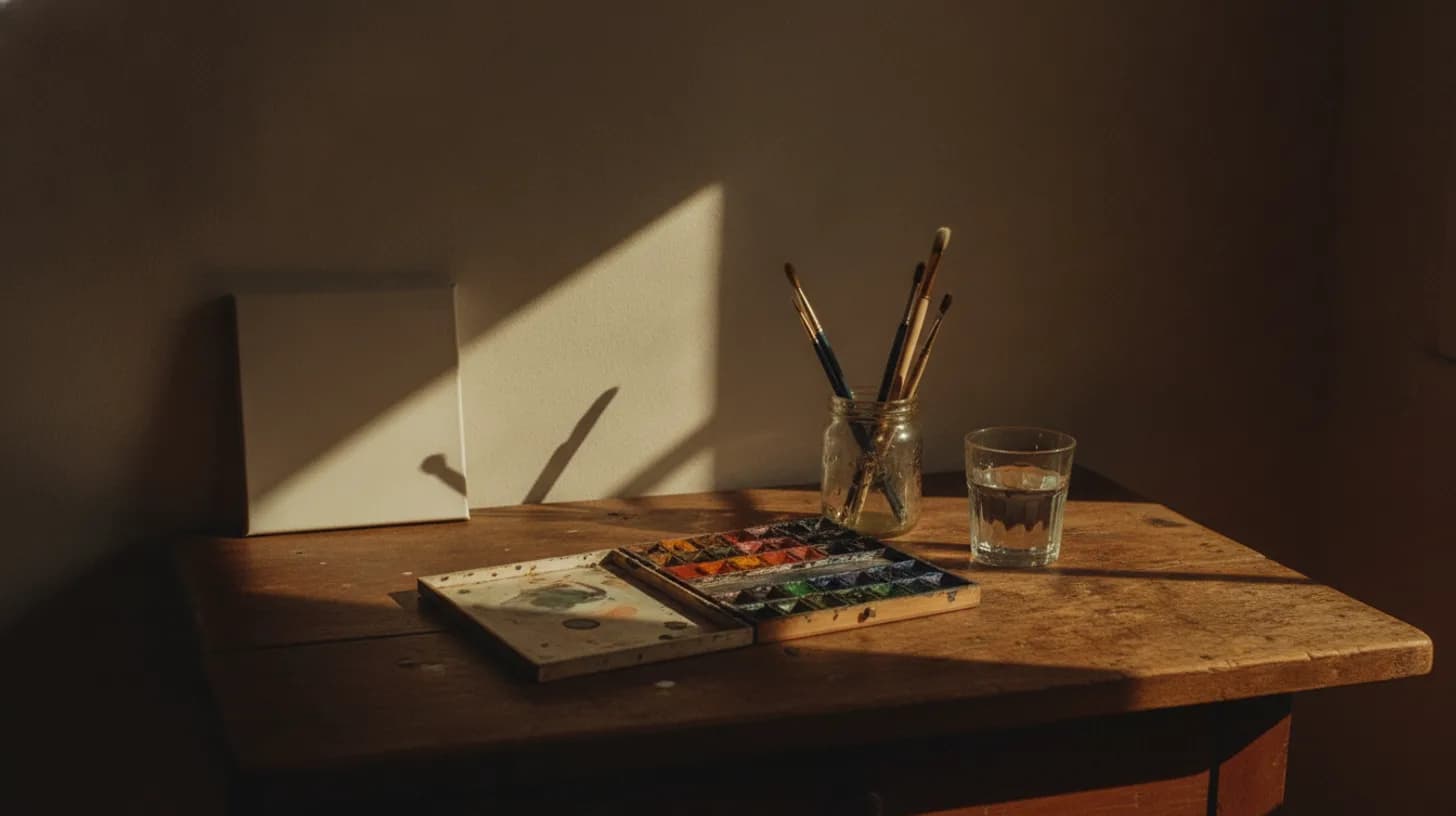
Visual arts: Drawing, painting, collage, pottery, photography. Many people find that working with their hands quiets the mental chatter. Community centers and libraries often offer free or low-cost classes.
Writing: Journaling is a recovery staple, but you can also try poetry, fiction, blogging, or writing letters you never send. If you're already keeping a journal for treatment, explore our guide on journaling for addiction recovery.
Music: Learning an instrument, singing, making playlists, attending open mic nights. Music engages multiple brain regions and can be both soothing and energizing.
Crafts: Knitting, woodworking, jewelry making, sewing, model building. Repetitive crafts can have a meditative quality similar to mindfulness practices.
Creative hobbies also give you something tangible to show for your time. A finished painting or a song you've learned to play becomes evidence of progress—something addiction never gave you.
Physical Hobbies: Move Your Body, Calm Your Mind
Exercise is proven to reduce cravings, improve mood, and support long-term recovery. But "exercise" doesn't have to mean a gym membership or running marathons. It just means moving your body in ways that feel good.
Walking and hiking: Free, accessible, and proven to reduce anxiety. Many areas have beginner-friendly trails. Walking in nature has additional mental health benefits.
Martial arts: Jiu-jitsu, boxing, karate, tai chi. These build discipline, confidence, and community. Many recovery communities specifically recommend martial arts for the structure they provide.
Yoga: Combines movement with breath work and mindfulness. Many studios offer donation-based or recovery-specific classes. Learn more about mindfulness practices in our mindfulness meditation guide.
Gardening: Physical, rewarding, and connected to nature. Even a small container garden on a balcony counts. Watching plants grow can be a powerful metaphor for your own recovery.
Team sports or recreational leagues: Softball, volleyball, bowling, disc golf. These combine exercise with social connection. Look for sober leagues in your area.
Regular exercise also helps with common recovery challenges like sleep problems and low energy.
Social Hobbies: Build Connection Without Substances
Isolation is dangerous in recovery. But if your old social life revolved around using, you need new ways to connect with people. Social hobbies give you a reason to show up and a built-in conversation starter.
Volunteering: Animal shelters, food banks, community gardens, literacy programs. Helping others builds purpose and gets you out of your own head. Many people find that service work becomes central to their recovery.
Cooking or baking clubs: Community kitchens, cultural cooking classes, potlucks. Food brings people together, and cooking is a practical skill that supports independent living.
Book or film clubs: Meet people with shared interests and engage in meaningful conversation. Many libraries and bookstores host free groups.
Sports leagues and fitness classes: See the physical hobbies section above—many of these have strong social components.
Faith or spiritual communities: If spirituality resonates with you, many traditions offer fellowship, structure, and service opportunities.
If you're navigating how to socialize without drinking or using, our guide on sober socializing has more strategies.
Building a support network goes beyond formal treatment—hobbies can be where those connections happen naturally.
Intellectual Hobbies: Challenge Your Mind and Grow
Your brain craves stimulation. Intellectual hobbies satisfy that need in healthy ways and can help rebuild cognitive function that may have been affected by long-term opioid use.
Reading: Fiction, memoir, self-help, history—whatever interests you. Libraries are free, and audiobooks count. Set small goals like one chapter a day.
Podcasts and documentaries: Learn about topics you've always been curious about. True crime, science, history, comedy, recovery stories—there's something for everyone.
Online courses: Platforms like Coursera, Khan Academy, and YouTube offer free classes on everything from coding to philosophy. Working toward a certificate gives you structure and accomplishment.
Puzzles and games: Sudoku, crosswords, chess, strategy games. These keep your mind sharp and can be done solo or socially.
Learning a language: Apps like Duolingo make it easy to start. Learning something new builds confidence and opens doors to new communities.
Intellectual hobbies are especially good for evenings when cravings tend to hit. They give your brain something to focus on besides urges.
Starting Small: How to Actually Begin
The list above might feel overwhelming. Here's how to start without pressuring yourself:
- Pick one thing that sparked even mild interest as you read this. Just one.
- Commit to trying it three times. Not forever—just three sessions. Three walks, three yoga classes, three chapters.
- Lower the bar for success. Your first drawing doesn't need to be good. Your first hike can be 10 minutes. Just show up.
- Schedule it like an appointment. Put it in your phone. Treat it like you would a doctor visit or work shift.
- Notice how you feel after, not during. You might resist starting, but check in with yourself afterward. Do you feel even slightly better than before?
If something doesn't click after three tries, that's fine. Try something else. The goal is to find activities that genuinely interest you, not to force yourself into a box.
Recovery milestones include these small wins—hobbies you stick with, interests you rediscover, time you fill in healthy ways.
Hobbies and Treatment: They Work Together
Finding hobbies doesn't replace professional treatment. If you're struggling with opioid use disorder, medication like Suboxone (buprenorphine) and counseling provide the medical foundation for recovery. Hobbies are what make that foundation livable—they're the life you're building on top of it.
Grata Health offers telehealth treatment for opioid use disorder in Virginia, Ohio, and Pennsylvania. Availability and insurance participation vary.
When Hobbies Feel Impossible
Some days you won't have the energy or motivation to do anything. That's normal, especially in early recovery when fatigue and anhedonia are common.
On those days, lower your expectations even further. Can't do a full yoga class? Do five minutes of stretching. Can't write in your journal? Write one sentence. Can't go for a hike? Sit outside for 10 minutes.
These micro-activities still count. They keep the habit alive even when you're struggling. And sometimes showing up for the smallest version of something leads to doing more once you get started.
If lack of interest or energy persists for weeks, talk to your treatment provider. Depression is common alongside opioid use disorder and might need specific treatment. Learn more about co-occurring mental health conditions and addiction treatment.
Your Hobbies Are Part of Your Identity
Addiction narrows your identity down to one thing: user. Recovery is about expanding back out into being a full person again—someone with interests, skills, preferences, quirks.
Your hobbies are where that expansion happens. You're not just "someone in recovery." You're someone who hikes, who paints, who volunteers at the animal shelter, who's learning guitar, who makes sourdough bread.
Those identities give you reasons to stay well. They remind you that there's more to life than managing cravings. They show you who you're becoming.
Give yourself permission to explore. Try things that feel silly or impractical. Discover what brings you joy without substances. Your brain is healing, and hobbies are part of that healing.
You don't have to figure this out alone. Treatment provides medical support; hobbies provide the life worth living. Start your treatment journey today—and start building the life you want to wake up for.
About the author

Editorial Team
The Grata Editorial Team produces educational content about opioid use disorder, treatment access, and recovery. Articles are written to explain complex topics in clear, supportive language and help readers prepare useful questions for qualified professionals.
View full profileReviewed by
Clinical Review Team
The Grata Care Team supports people seeking treatment for opioid use disorder. When an article names the Grata Care Team as its reviewer, that attribution identifies the clinical review associated with that article.
View full profileReady to start your recovery?
Grata Health offers same-day telehealth appointments in Virginia, Ohio, and Pennsylvania and accepts most insurance plans.