Harm Reduction at Music Festivals: A Guide to Safer Event Experiences


The bass drops, the crowd moves as one, and somewhere between the main stage and the art installations, someone's night takes a dangerous turn. Music festivals should be spaces of joy and connection, but they're also environments where substance use happens—and where lives can be lost without the right precautions.
Over the past decade, a quiet revolution has transformed how festivals approach drug safety. Instead of pretending substances won't be used, more events are embracing harm reduction: practical services designed to keep people alive and informed, without judgment or condemnation. From drug-checking tents to chill-out spaces staffed by trained peers, these interventions are saving lives while festival culture evolves toward greater responsibility.
Whether you're heading to your first festival or your fiftieth, understanding these services—and how to use them—can mean the difference between a memorable experience and a medical emergency.
What Is Harm Reduction at Music Events?
Harm reduction at festivals operates on a simple principle: people will use substances whether we approve or not, so let's reduce the risks when they do. This isn't endorsement—it's pragmatism grounded in compassion and public health evidence.
Harm reduction services at events typically include:
- Drug checking/testing services: Allow festival-goers to test substances for unexpected adulterants like fentanyl
- Medical and peer support: Trained volunteers who can recognize overdose, dehydration, or heat-related emergencies
- Safe spaces: Quiet areas for people who feel overwhelmed or need to recover away from crowds
- Education stations: Information about safer use practices, dosing, and risks
- Naloxone distribution: Free overdose reversal medication and training
These services don't exist in a vacuum. They're part of the broader harm reduction philosophy that prioritizes meeting people where they are—even if "where they are" is dancing under the stars with questionable decision-making skills.
The Evolution of Festival Drug Policy
For decades, festivals operated under a "zero tolerance" model that drove substance use underground and discouraged people from seeking help when things went wrong. Fear of arrest or ejection meant overdoses were hidden in tents, dehydration went untreated, and bad batches circulated without warning.
The turning point came as fentanyl contamination became widespread. Traditional enforcement-only approaches couldn't prevent deaths from substances people didn't know they were taking. Organizations like DanceSafe pioneered on-site drug checking at electronic music events, demonstrating that testing services reduced risky behavior rather than encouraging it.
Today, major festivals in North America and Europe increasingly partner with harm reduction organizations. Some venue policies have evolved to explicitly allow testing services, while others maintain plausible deniability while quietly supporting the work. The culture is shifting—slowly—from punishment to protection.
Drug Checking Services: Knowledge as Harm Reduction
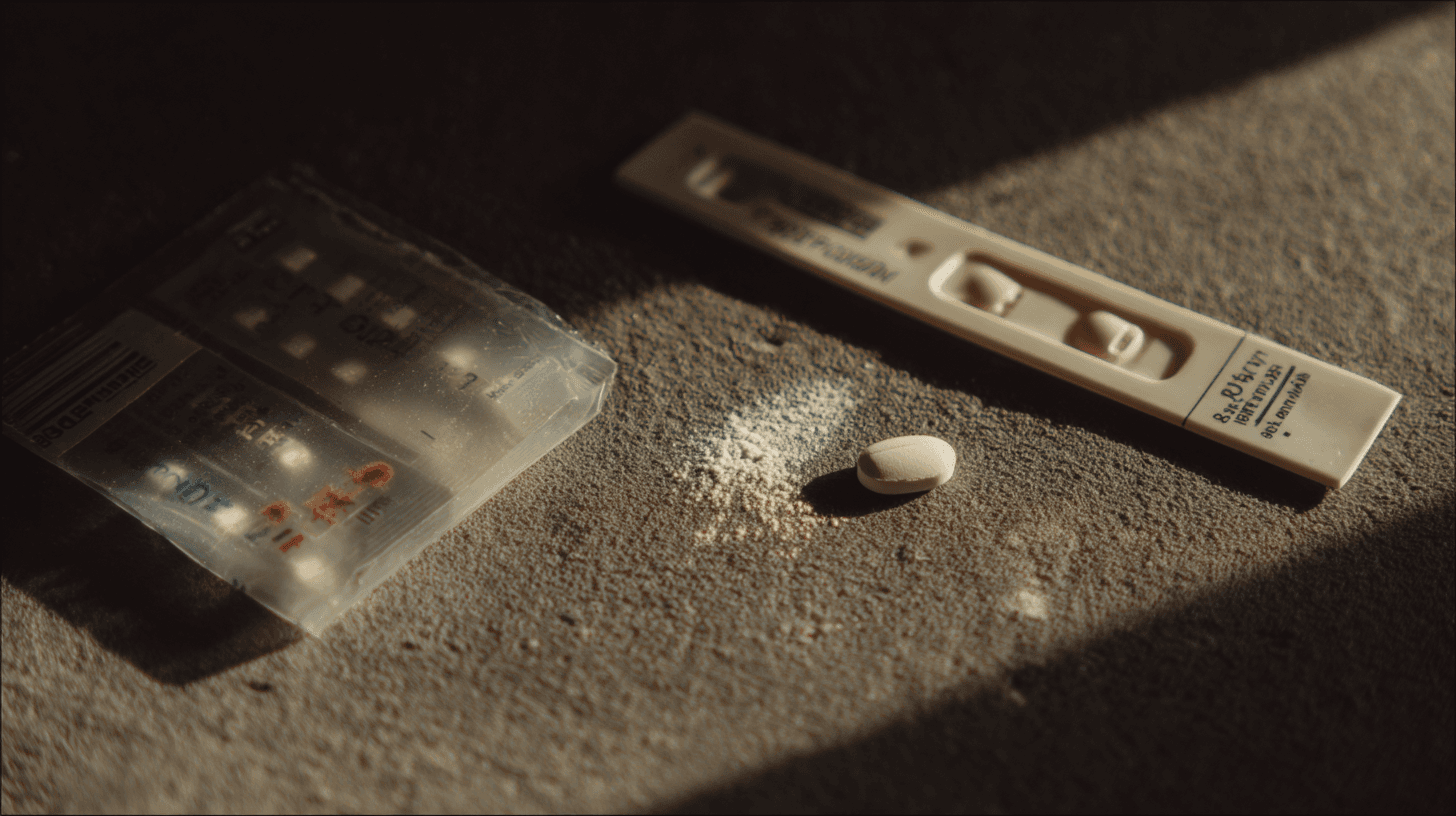
The most visible harm reduction service at many festivals is drug checking, where trained volunteers test substances for composition and adulterants. This isn't about quality control for recreational use—it's about preventing deaths from contamination people can't detect on their own.
How to find reliable event information
Event policies and available public-health services vary. Use the venue's official website or onsite information desk to locate licensed medical staff and authorized health resources. A general blog should not be used as instructions for evaluating or consuming an unknown substance.
The impact of knowing what you're taking
Drug checking has important limitations and cannot establish that an unknown substance is safe. If an event offers an authorized service, staff should explain what the result can and cannot show.
Drug checking also provides real-time alerts about dangerous batches circulating at an event. If multiple samples test positive for the same unexpected contaminant, harm reduction teams can warn the broader community through social media, text alerts, or announcements.
Medical and Peer Support Systems
Beyond substance testing, effective festival harm reduction requires people who can recognize and respond to emergencies. Many events now incorporate both medical professionals and trained peer supporters who understand the culture and can intervene early.
Recognizing overdose versus other emergencies
One critical skill peer supporters teach is distinguishing between different types of medical emergencies that look similar but require different responses:
Opioid overdose signs:
- Unconsciousness that doesn't respond to stimulation
- Slow or stopped breathing
- Blue or grey lips and fingernails
- Tiny pinpoint pupils
- Call emergency services immediately; trained responders can guide naloxone use when available
Heat exhaustion/stroke signs:
- Confusion or aggression
- Rapid breathing
- Hot, dry skin or excessive sweating
- Elevated body temperature
- Requires cooling, hydration, and medical attention
Stimulant toxicity signs:
- Extreme agitation or paranoia
- Rapid heart rate
- Seizures or muscle rigidity
- Requires medical intervention and supportive care
These conditions can overlap and are not safe to diagnose from a blog checklist. If someone is unconscious, having a seizure, severely confused, struggling to breathe, or otherwise in danger, alert event medical staff or call 911 immediately.
The role of peer navigators
Peer navigators are often people in recovery themselves or with lived experience of substance use. They staff chill-out spaces, provide emotional support, and help people make informed decisions about seeking medical care without fear of legal consequences.
Their presence is especially important because festival-goers often hesitate to involve official medical services. Peers can assess situations, provide initial support, and facilitate connections to professional help when needed—all while maintaining the trust and language of the community.
Chill-Out Spaces and Safe Zones
Not every difficult experience at a festival requires medical intervention. Sometimes people just need a quiet place to recover from sensory overload, process an unexpectedly intense experience, or wait for effects to wear off safely.
Chill-out spaces—also called "safe zones" or "sanctuary spaces"—provide exactly this. These areas typically feature:
- Low lighting and reduced noise
- Comfortable seating or places to lie down
- Access to water and light snacks
- Trained volunteers who provide non-judgmental support
- Optional connections to medical care if situations escalate
The philosophy is "meeting people where they are." If someone feels overwhelmed but doesn't need emergency medical care, a safe space lets them recover without the trauma or expense of ambulance transport. It also keeps emergency medical resources available for true crises.
Many people report that having access to these spaces gave them permission to be honest about their experience and seek help early, rather than pushing through and potentially escalating to a medical emergency.
Buddy Systems and Community Care
Individual harm reduction tools matter, but the most effective safety net at festivals is community care—looking out for each other rather than assuming someone else will handle problems.
Planning with your festival crew
Before the event, establish clear agreements with the people you're attending with:
- Check-in schedule: Set specific times to regroup and confirm everyone's okay
- Buddy pairing: Stay connected with a trusted person and agree to seek professional help when either person appears unwell
- Emergency plan: Decide in advance who will stay with someone if they need medical care
- Communication method: Exchange phone numbers, but have a backup plan since cell service often fails at festivals
These agreements work best when discussed sober and written down. In the moment, altered states and festival chaos make it hard to make good decisions about safety.
Recognizing when to intervene
Part of community care is knowing when someone needs help beyond what friends can provide. Trust your instincts if:
- Someone is unconscious or can't be roused with a gentle shake
- Breathing is slow, irregular, stopped, or otherwise concerning
- They're severely confused about where they are or can't recognize people they know
- They're expressing thoughts of self-harm
Festival culture sometimes valorizes "pushing through" difficult experiences, but some situations require professional intervention. Good Samaritan laws may offer limited, fact-specific protections, but fear of legal consequences should not delay emergency care.
Hydration, Rest, and Basic Harm Reduction
While drug-related harm gets the most attention, many festival medical emergencies stem from basic physiological stress: dehydration, heat exhaustion, and sleep deprivation. These factors also amplify the risks of substance use.
The hydration-electrolyte balance
Music festivals create perfect conditions for dangerous dehydration: physical activity (dancing), heat exposure, often inadequate bathroom access (so people drink less), and substances that increase body temperature or interfere with thirst recognition.
Effective hydration means:
- Drinking water consistently throughout the day, not just when thirsty
- Adding electrolytes if you're sweating heavily or dancing for hours
- Avoiding excessive water intake while using MDMA or similar substances (which can cause dangerous water retention)
- Recognizing early dehydration signs: dark urine, dizziness when standing, dry mouth
Many festivals now provide free water refill stations as a harm reduction measure. Use them.
Rest as a harm reduction tool
Sleep deprivation intensifies the effects of substances and impairs judgment about safety. Multi-day festivals create cumulative exhaustion that makes bad decisions more likely and medical emergencies harder to recognize.
Build rest into your festival plan:
- Actually sleep each night rather than partying through dawn
- Take breaks from stimulation during the day
- Use earplugs to improve sleep quality in noisy camping areas
- Know when to skip a set to recover rather than pushing through
This might feel like you're "missing out," but you'll actually have a better experience overall—and you'll be capable of making safer decisions.
Preparing Your Personal Harm Reduction Kit
Going to a festival prepared means bringing more than sunscreen and glitter. A personal harm reduction kit should include:
Essential items:
- Naloxone (Narcan) with instructions (overdose prevention basics)
- Fentanyl test strips
- Condoms and safer sex supplies
- Basic first aid: bandages, blister care, pain reliever
- Electrolyte packets
Comfort and safety:
- Earplugs for sleeping and hearing protection
- External battery pack for phone
- Headlamp or small flashlight
- List of emergency contacts written on paper (not just in your phone)
Substance-specific supplies:
- If using: personal testing kit beyond festival services
- Clean supplies if injecting (though injecting at festivals carries extreme risks)
- Accurate scale for dosing if using powders
Many festivals allow you to bring these items explicitly as harm reduction supplies, even if they have general "no drugs" policies. Check specific event policies beforehand.
Organizations Leading Festival Harm Reduction
Several organizations have pioneered harm reduction at music events and continue to expand services:
DanceSafe remains the most well-known, providing drug checking, education, and peer support at electronic music events across North America. They train volunteers and sell testing kits for personal use.
Bunk Police focuses specifically on drug testing and education, operating at festivals and providing test kits through their online store.
Zendo Project offers psychedelic peer support services, staffing safe spaces at festivals where people experiencing difficult psychedelic experiences can receive compassionate, trained support.
The Loop operates primarily in Europe but has expanded to some North American events, providing sophisticated drug-checking services using spectrometry and medical support.
These organizations operate on shoestring budgets with volunteer labor, often navigating complex relationships with event producers and law enforcement. Supporting their work—through donations or volunteering—expands access to life-saving services.
Get connected with treatment resources if festival experiences are highlighting concerns about your substance use patterns.
When Festival Use Becomes Something More
Music festivals exist in a unique cultural space where substance use is normalized and often expected. For many people, occasional use at events doesn't extend into daily life or create problems. But festivals can also obscure developing patterns that need attention.
Signs that festival use might be indicating a larger issue:
- You're using substances more frequently between festivals to recapture the feeling
- You're attending events primarily for access to substances rather than music or community
- You're experiencing increasing tolerance—needing more to achieve the same effects
- Festival experiences are leading to dangerous situations or regrets that repeat
- You're using substances to cope with difficult emotions that persist after events end
If you're noticing these patterns with opioids specifically, consider speaking with a qualified treatment provider. Grata Health provides telehealth opioid use disorder treatment in Virginia, Ohio, and Pennsylvania; verify appointment availability and coverage for your circumstances.
The transition from "I use sometimes at festivals" to "I need opioids daily" can happen gradually, especially as fentanyl contamination makes casual use increasingly dangerous. There's no shame in recognizing that what started as recreational use has become something requiring professional support.
The Broader Cultural Shift
Festival harm reduction represents more than practical services—it's part of a larger movement recognizing that prohibition-only approaches fail to keep people safe. As harm reduction and stigma continue to be challenged in mainstream society, music events are often early adopters of more compassionate, evidence-based approaches.
This cultural shift is happening alongside other harm reduction innovations: syringe services programs in communities, supervised consumption sites in some cities, and expanding access to naloxone without prescription.
The goal isn't to encourage substance use—it's to recognize the reality that use happens and create conditions where people can make informed decisions, access help when needed, and survive to make different choices if they want to.
Moving Forward with Intention
Music festivals at their best are transformative: spaces for connection, self-expression, and joy. Harm reduction services don't diminish that magic—they protect it by ensuring people make it home safely to integrate their experiences.
Whether you're a festival regular or planning your first event, approach it with intention. Learn what services are available, prepare your harm reduction kit, establish care agreements with your crew, and prioritize the basics of hydration, rest, and looking out for each other.
If you're someone who uses substances at festivals and are starting to wonder if your relationship with them is changing, that awareness itself is valuable. You don't have to wait for a crisis to seek support. Treatment during any stage of use is more effective than waiting until things feel out of control.
The culture is changing. Harm reduction is becoming normalized. And that means more people dancing under the stars will make it home to dance again.
Ready to explore treatment options? Grata Health offers compassionate, judgment-free telehealth addiction treatment that meets you where you are—whether that's after a festival wake-up call or just a growing sense that it's time for something different.
Grata Health offers same-day telehealth appointments in Virginia, Ohio, and Pennsylvania and accepts most insurance plans. Specific benefits and eligibility vary by plan and individual circumstances.
About the author

Editorial Team
The Grata Editorial Team produces educational content about opioid use disorder, treatment access, and recovery. Articles are written to explain complex topics in clear, supportive language and help readers prepare useful questions for qualified professionals.
View full profileReviewed by
Clinical Review Team
The Grata Care Team supports people seeking treatment for opioid use disorder. When an article names the Grata Care Team as its reviewer, that attribution identifies the clinical review associated with that article.
View full profileReady to start your recovery?
Grata Health offers same-day telehealth appointments in Virginia, Ohio, and Pennsylvania and accepts most insurance plans.