Addicted to Pain Pills? How MAT Treatment Can Help

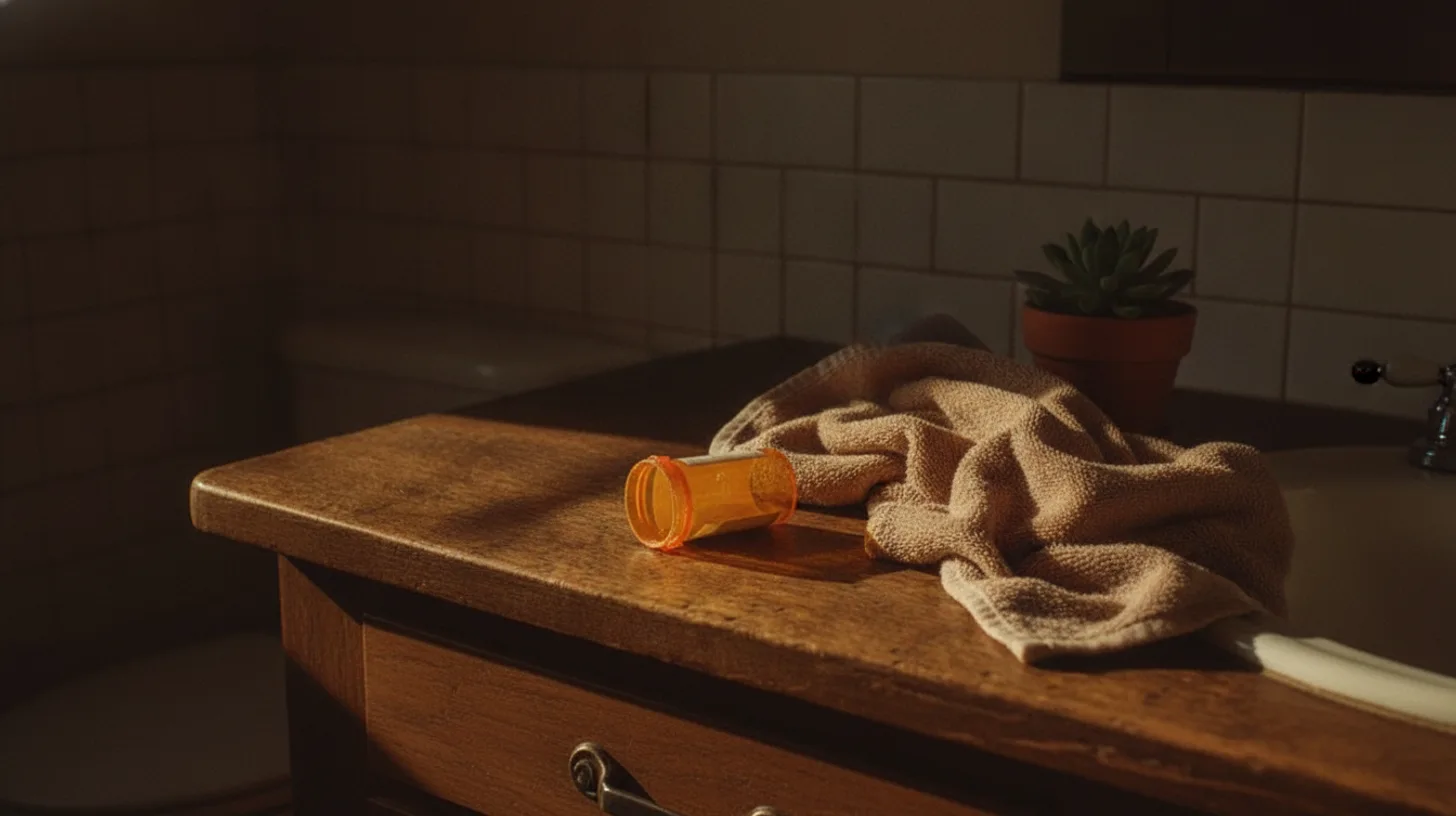
You never imagined this would happen. The pills were prescribed by a doctor — for back pain after surgery, an injury at work, a car accident. You took them exactly as directed at first. But somewhere along the way, things changed.
Maybe you started needing more to feel the same relief. Maybe you found yourself counting pills obsessively or feeling panicked when the bottle ran low. Maybe you're now using more than prescribed, or getting pills from multiple sources, or feeling ashamed every time you swallow another dose. This isn't what you planned. And it's not a character flaw.
Prescription opioid addiction — more accurately called opioid use disorder (OUD) that began with prescribed medication — affects hundreds of thousands of people who never intended to develop a dependency. The good news: medication-assisted treatment (MAT) works exceptionally well for prescription opioid addiction, no matter how your use started or how long it's been going on.
How Did This Happen? Understanding Tolerance and Dependence
Opioid medications like oxycodone (OxyContin, Percocet), hydrocodone (Vicodin, Norco), morphine, and hydromorphone (Dilaudid) are powerful pain relievers that work by binding to receptors in your brain and spinal cord. They're medically necessary for many conditions — but they also create physical changes that can lead to dependence, even when taken as prescribed.
Tolerance develops when your body adapts to the medication. The dose that once relieved your pain stops working as well, so you need more to achieve the same effect. This is a normal biological response, not evidence of addiction.
Physical dependence means your body has adjusted to the presence of the medication. If you stop taking it abruptly, you experience withdrawal symptoms like muscle aches, anxiety, nausea, and insomnia. Again, this is physiology, not a moral failing.
Opioid use disorder is diagnosed when your relationship with the medication begins causing significant problems in your life. You might be:
- Taking more than prescribed or using in ways not intended
- Spending excessive time obtaining, using, or recovering from the medication
- Experiencing cravings or urges to use
- Continuing to use despite negative consequences
- Withdrawing from activities or relationships
- Using in physically dangerous situations
If you're reading this and recognizing yourself in these patterns, you're already taking the first step toward getting help. That takes courage.
Why Prescription Opioid Addiction Feels Different
Many people who developed OUD through prescribed medication describe a unique type of shame. You followed the rules. You trusted your doctor. You weren't "looking" to get high — you just wanted pain relief. The stigma around addiction can feel especially heavy when your story started in a medical office, not on a street corner.
This shame is unwarranted but understandable. Our culture still treats prescription opioid addiction differently than other chronic conditions, despite overwhelming evidence that addiction is a medical disorder involving brain chemistry, not a choice or character defect.
The truth: your brain doesn't distinguish between "legitimate" and "illegitimate" opioid exposure. Prescribed hydrocodone affects the same receptors as illicitly obtained oxycodone. The development of tolerance and dependence follows the same biological pathways regardless of how you first encountered the medication.
Treatment for OUD that began with a prescription looks the same as treatment for OUD that began any other way — because the condition itself is the same. You don't need a different kind of help or a special program. You just need effective, evidence-based treatment.
What Is Medication-Assisted Treatment (MAT)?
Medication-assisted treatment combines FDA-approved medications with counseling and behavioral support to treat opioid use disorder. For many people, it's the most effective approach available.
The primary medication used in MAT is buprenorphine, often prescribed as Suboxone (buprenorphine plus naloxone). Buprenorphine is a partial opioid agonist, which means it:
- Activates opioid receptors enough to prevent withdrawal and reduce cravings
- Does so without producing a "high" when taken as prescribed
- Has a "ceiling effect" that makes overdose far less likely than with full opioids
- Allows you to function normally — work, drive, care for family
Think of buprenorphine as a stabilizer. It gives your brain the opioid receptor stimulation it's adapted to expect, but in a controlled, safe way that doesn't interfere with daily life. This stability creates space for you to rebuild your life, address underlying issues, and develop new coping strategies.
Other MAT medications include methadone (typically dispensed at specialized clinics) and naltrexone (which blocks opioid effects entirely and requires complete detox first). Buprenorphine is often preferred because it can be prescribed in office-based settings, including telehealth appointments, and offers flexibility that methadone clinics don't.
Does MAT Work for Prescription Opioid Addiction?
Yes, overwhelmingly. Research consistently shows that MAT reduces opioid use, overdose deaths, and criminal justice involvement while improving retention in treatment and quality of life. These benefits apply regardless of which opioid someone was using before starting treatment.
In fact, some studies suggest that people whose OUD began with prescribed medication may have certain advantages in treatment:
- They may be more comfortable engaging with medical providers
- They often have established healthcare relationships and insurance
- They may have less exposure to fentanyl-contaminated street drugs
- They're frequently motivated by the desire to return to "normal" life
That said, everyone's journey is different. You might face unique challenges like managing legitimate chronic pain while addressing OUD, or navigating relationships with providers who initially prescribed the medication. MAT programs that understand these complexities can help you work through them.
Learn what happens at your first appointment to see how Grata Health addresses your specific situation.
The Treatment Pathway: What to Expect
Getting started with MAT for prescription opioid addiction typically follows these phases:
Assessment and Induction
Your provider will evaluate your current opioid use, medical history, other medications, symptoms, and treatment goals. The appropriate timing for buprenorphine depends on the specific opioid and the clinical situation; do not rely on a universal waiting period.
During induction, follow the prescriber's individualized instructions for when and how to begin. Response varies. Contact the provider promptly for severe or unexpected symptoms, and call 911 for trouble breathing, loss of consciousness, blue or gray lips, or another medical emergency.
Many people worry about the transition from their prescribed opioid to buprenorphine. Will the withdrawal be unbearable? Will the medication work? The answer: when done properly, induction is far more comfortable than you're imagining. Your provider will guide you through each step.
Stabilization
Over time, you and your provider will evaluate whether the medication is addressing symptoms without unacceptable side effects. Dosing is individualized; never copy a dose from an article or change a prescription without the prescriber's direction.
During stabilization, you'll also begin addressing the psychological and social aspects of recovery through counseling, support groups, or other services. MAT isn't "just taking a pill" — the medication creates the foundation for deeper healing work.
Maintenance
Once stable, many people continue on buprenorphine for months or years. There's no predetermined timeline. How long you stay on Suboxone depends on your individual needs, not a calendar.
Maintenance is about sustaining your recovery while building the life you want. You'll have regular check-ins with your provider, continue any counseling or support services, and make adjustments as needed.
Some people eventually choose to taper off buprenorphine. Others recognize that long-term maintenance is their best option, just as people with diabetes may need long-term insulin. Both choices are valid.
Ready to take the first step? Get started with Grata Health's telehealth MAT program
Addressing Common Concerns About MAT
"Aren't I just trading one addiction for another?"
This is the most common misconception about buprenorphine. The answer is no — you're treating a medical condition with an appropriate medication.
When taken as prescribed, buprenorphine doesn't produce euphoria or impair function. It stabilizes brain chemistry that's been altered by opioid use. Think of it like someone with depression taking an antidepressant or someone with high blood pressure taking medication. You're not "addicted" to your blood pressure medication — you're managing a chronic condition.
The medications you were taking before — oxycodone, hydrocodone, etc. — are full opioid agonists that produce intense effects and drive compulsive use. Buprenorphine doesn't work that way. It frees you from the cycle of cravings, withdrawal, and obsessive use.
"What if I still have chronic pain?"
Many people worry that switching from a pain medication to buprenorphine means living with unbearable pain. Actually, buprenorphine does provide pain relief, though it works differently than full opioids.
Your provider can help you develop a comprehensive pain management plan that might include buprenorphine for both OUD treatment and pain management, plus other modalities like physical therapy, non-opioid medications, or interventional procedures.
Read more about Suboxone and pain management to understand how MAT fits into chronic pain treatment.
"What will my family think?"
Telling loved ones you need addiction treatment can be terrifying, especially when your story started with "legitimate" medication use. You might fear they'll see you differently or judge you for becoming dependent on prescribed medication.
Consider this: your family likely already knows something is wrong. Whether or not they've named it as addiction, they've probably noticed changes in your behavior, mood, or relationships. Getting treatment isn't revealing a problem — it's solving one they've been worried about.
Many people find that family members feel relief when treatment begins. The uncertainty and fear that accompanied active addiction starts to lift. Rebuilding family trust takes time, but MAT gives you a stable foundation to start that process.
What Makes Grata Health Different
Grata Health offers telehealth opioid use disorder evaluations in Virginia, Ohio, and Pennsylvania. Whether telehealth fits a person's schedule and clinical needs is individualized.
Telehealth access: Appointment availability and the timing of any prescription depend on clinical eligibility, location, and current scheduling.
Telehealth convenience: All appointments happen via secure video from wherever you're comfortable — your home, your car during lunch break, a private space after the kids go to bed.
Coverage questions: Network participation, prior authorization, pharmacy benefits, and out-of-pocket costs vary. Confirm current details with Grata Health and the insurer before relying on coverage.
Comprehensive support: While medication is central to MAT, we also connect you with counseling resources, support groups, and other services that enhance long-term recovery.
No judgment: Our clinical team understands that opioid use disorder develops through complex biological, psychological, and social factors. How your story started doesn't matter to us — what matters is helping you move forward.
Taking the Next Step
If you're reading this because prescription pain medication has taken over your life, please hear this: you are not alone, you are not weak, and you are not without options.
Thousands of people who started exactly where you are have found freedom through MAT. They're working again, rebuilding relationships, sleeping through the night without panic about running out of pills. They're living proof that recovery is possible.
The shame, the secrecy, the constant mental calculations about supply and timing — that can end. You can wake up without immediately thinking about medication. You can feel like yourself again.
Treatment starts with a single conversation. Grata Health's care team is ready to meet you where you are, without judgment or unnecessary barriers. Schedule your confidential consultation today and take the first step toward reclaiming your life from prescription opioid addiction.
About the author

Editorial Team
The Grata Editorial Team produces educational content about opioid use disorder, treatment access, and recovery. Articles are written to explain complex topics in clear, supportive language and help readers prepare useful questions for qualified professionals.
View full profileReviewed by
Clinical Review Team
The Grata Care Team supports people seeking treatment for opioid use disorder. When an article names the Grata Care Team as its reviewer, that attribution identifies the clinical review associated with that article.
View full profileReady to start your recovery?
Grata Health offers same-day telehealth appointments in Virginia, Ohio, and Pennsylvania and accepts most insurance plans.