SAD and Recovery: Managing Seasonal Depression in MAT

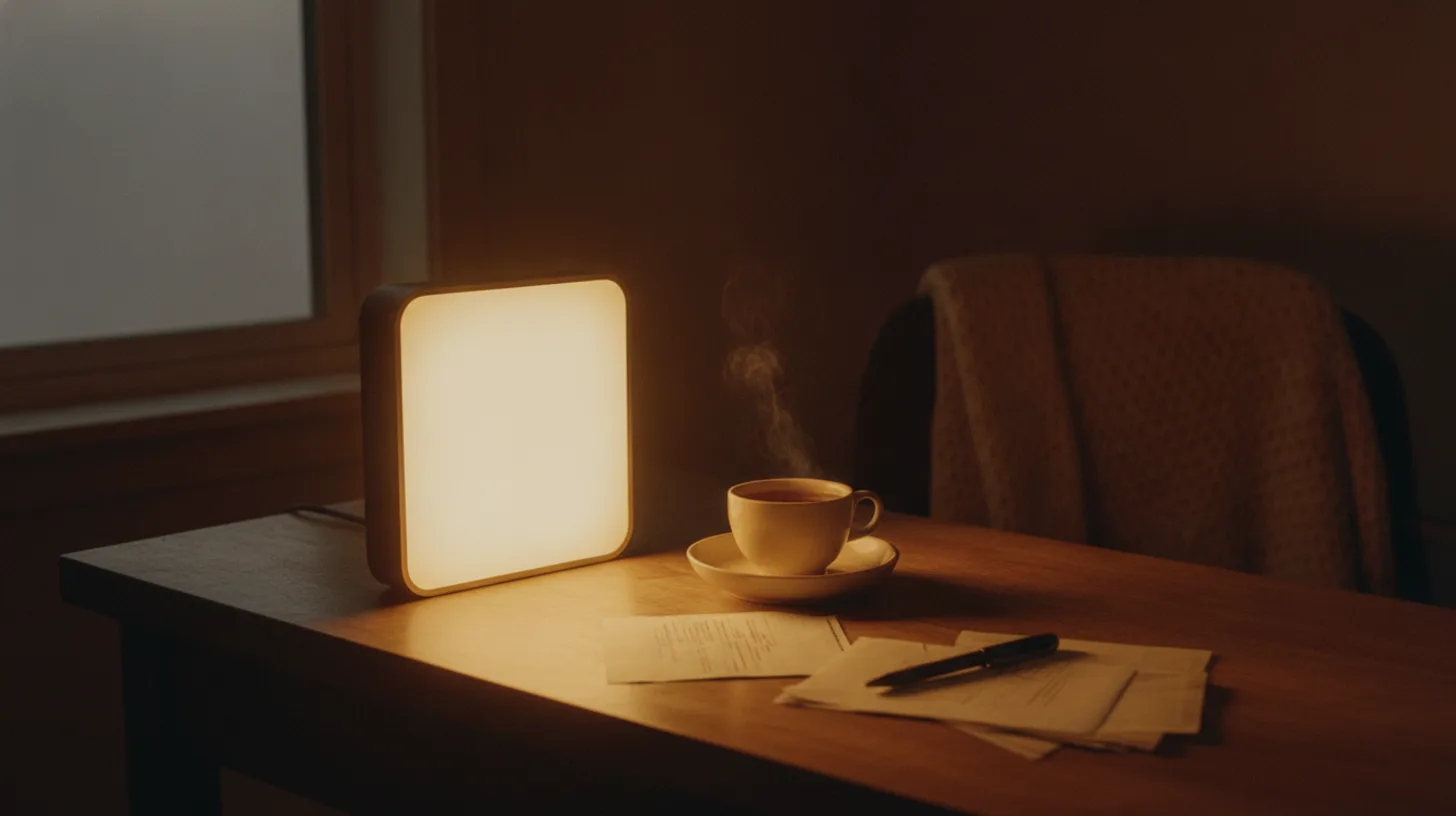
Winter hits differently when you're in recovery. The shorter days feel longer. The cold makes you want to stay inside. And that familiar heaviness in your chest might not just be the usual recovery ups and downs.
Seasonal affective disorder (SAD) — a type of depression that follows a seasonal pattern — affects about 5% of adults in the U.S. But if you're managing opioid use disorder, your risk is significantly higher. The same brain chemistry changes that make you vulnerable to addiction also make you more susceptible to seasonal mood shifts.
Here's what makes this especially tricky: SAD symptoms can look a lot like relapse warning signs. Both involve low energy, isolation, sleep changes, and increased cravings. Learning to spot the difference and manage seasonal depression is crucial for protecting your recovery progress.
Why Winter Is Harder in Recovery
Reduced sunlight during fall and winter months affects everyone's mood to some degree. But the changes go deeper when you're in medication-assisted treatment.
Sunlight regulates serotonin, the neurotransmitter that helps stabilize mood. Less daylight means less serotonin production. For someone already managing the neurochemical challenges of early recovery, this seasonal drop can feel dramatic.
Your circadian rhythm shifts without adequate bright light exposure. This internal clock controls sleep-wake cycles, body temperature, and hormone release. Disruption here contributes to the classic SAD symptoms: oversleeping, daytime fatigue, and feeling like you're walking through molasses.
Melatonin production increases in darkness. While this hormone helps you sleep at night, too much during daytime hours leaves you drowsy and unmotivated. That 4 PM darkness in winter means your brain starts producing melatonin when you should still be alert and active.
These biological changes happen to everyone. But if you're in medication-assisted treatment, you're already working hard to rebalance neurotransmitters that were disrupted by years of opioid use. Seasonal changes add another layer of difficulty to an already challenging process.
Recognizing SAD Symptoms in Recovery
Seasonal affective disorder typically starts in late fall and lifts in spring. The symptoms overlap significantly with both clinical depression and early recovery challenges, which makes diagnosis tricky.
Common SAD symptoms include:
- Persistent low mood or irritability
- Loss of interest in activities you usually enjoy
- Sleeping much more than usual (hypersomnia)
- Daytime fatigue despite adequate sleep
- Carbohydrate cravings and weight gain
- Difficulty concentrating or making decisions
- Feeling hopeless or worthless
- Social withdrawal and isolation
The key difference between SAD and situational recovery struggles? Seasonal pattern and timing. If these symptoms emerge around the same time each year and resolve in spring, SAD is likely a factor.
However, if you're experiencing these symptoms alongside increased drug cravings, risky behaviors, or thoughts about using, that requires immediate attention from your treatment provider. Don't wait to see if it's "just seasonal" — reach out right away.
Understanding the connection between mental health and opioid treatment helps clarify why addressing both conditions simultaneously is essential for recovery success.
The SAD-Relapse Connection
Here's the uncomfortable truth: seasonal depression increases relapse risk. Research shows that mood disorders are one of the strongest predictors of treatment dropout and return to use.
When SAD symptoms hit, they create a perfect storm of relapse triggers. Low energy makes it harder to attend appointments or follow your daily recovery routine. Social withdrawal means less connection with your support network. Carbohydrate cravings might trigger memories of the dopamine rush from drug use.
Depression also affects medication adherence. When you feel hopeless, taking your Suboxone every day can feel pointless. Missing doses destabilizes your treatment and increases physical cravings.
The neurochemistry overlap makes this even trickier. Both opioid withdrawal and SAD involve dopamine and serotonin disruption. Your brain might interpret seasonal depression symptoms as a sign that "treatment isn't working" or that you need to use again to feel normal.
This is exactly when you need support most. If you're working with Grata Health in Virginia, Ohio, or Pennsylvania, let your provider know if seasonal mood changes are affecting your recovery. Adjusting your treatment plan before symptoms escalate is much easier than managing a crisis.
Light Therapy: The First-Line Treatment
Bright light therapy is the most evidence-based treatment for SAD, with research showing it's as effective as antidepressant medication for many people. The approach is straightforward: expose yourself to bright artificial light that mimics natural sunlight.
How light therapy works:
- Use a specialized light box that produces 10,000 lux (much brighter than indoor lighting)
- Sit about 16–24 inches away from the light
- Keep your eyes open but don't stare directly at the light
- Sessions typically last 20–30 minutes each morning
- Effects usually appear within 1–2 weeks of daily use
The timing matters significantly. Morning light exposure is most effective because it helps reset your circadian rhythm. Using light therapy in the evening can disrupt sleep, which you definitely don't want when you're already managing sleep challenges in recovery.
Light boxes designed for SAD are different from standard desk lamps or tanning beds. They filter out UV rays (so there's no skin cancer risk) while delivering the specific wavelength and intensity needed to affect brain chemistry.
Cost and access: Quality light boxes range from $50–200. Some insurance plans cover them with a prescription. If cost is a barrier, ask your provider about alternatives. Even increasing time outdoors during daylight hours — bundling up for a 20-minute morning walk — provides some benefit.
Get started with Grata Health to discuss whether light therapy fits your overall treatment plan.
Movement as Medicine: Exercise for Seasonal Depression
Physical activity is one of the most powerful — and underutilized — tools for managing both SAD and recovery. The benefits are immediate and compound over time.
Exercise affects the same brain pathways as antidepressants. It increases serotonin, dopamine, and norepinephrine while reducing stress hormones like cortisol. A 30-minute workout can produce mood improvements lasting several hours.
For seasonal depression specifically, outdoor exercise during daylight hours combines movement benefits with natural light exposure. Even a cloudy winter day provides significantly more lux than indoor lighting.
The challenge is motivation. When SAD saps your energy, the last thing you want to do is go for a run. This is where structure helps more than inspiration. Build movement into your daily routine before seasonal symptoms hit.
Practical exercise strategies for winter recovery:
- Start small: 10-minute walks are better than skipping entirely
- Schedule exercise appointments like medical appointments
- Find an exercise buddy for accountability
- Choose activities you genuinely enjoy (not what you "should" do)
- Indoor options for severe weather: mall walking, gym sessions, home videos
- Layer appropriately for outdoor activity — being cold kills motivation fast
We've covered the broader benefits of exercise in opioid recovery in detail. The seasonal aspect adds urgency: consistent movement in fall and winter isn't just helpful, it's protective.
Vitamin D: Addressing the Deficiency
Nearly half of Americans are vitamin D deficient, with rates even higher in northern states and among people with limited sun exposure. Opioid use disorder further increases deficiency risk through poor nutrition, limited outdoor time, and impaired absorption.
Vitamin D affects mood regulation through multiple pathways. It influences serotonin synthesis, supports dopamine function, and reduces inflammation in the brain. Low levels are associated with both depression and increased pain sensitivity — two things you definitely don't need more of in recovery.
Winter makes deficiency worse. Your skin produces vitamin D when exposed to UVB rays from sunlight, but from November through March in northern latitudes, the sun's angle means you produce little to no vitamin D even on sunny days.
Supplementation guidelines:
- Standard dose: 1,000–2,000 IU daily
- Higher doses (up to 4,000 IU) may be recommended if you're deficient
- Take with food containing fat (vitamin D is fat-soluble)
- Pair with vitamin K2 for optimal absorption
- Get blood levels checked before starting high-dose supplementation
Some people respond dramatically to vitamin D supplementation, reporting significant mood improvements within weeks. Others notice minimal change. The only way to know is to try, ideally with your provider monitoring your blood levels.
Ask about vitamin D testing at your next telehealth appointment. Most providers can order this as part of routine bloodwork, and it's often covered by insurance including Medicaid.
When to Consider Antidepressants
Sometimes light therapy, exercise, and vitamin D aren't enough. Persistent SAD that interferes with your recovery progress may require medication management.
This doesn't mean you've failed. Adding an antidepressant to your MAT regimen is common and often highly effective. About 60% of people in opioid treatment have co-occurring depression or anxiety, and managing both conditions simultaneously improves outcomes for both.
SSRIs (selective serotonin reuptake inhibitors) are the most commonly prescribed antidepressants for SAD. They work by increasing serotonin availability in the brain, addressing the same deficiency caused by reduced sunlight exposure.
Important considerations for antidepressants in MAT:
- Some SSRIs interact with buprenorphine, though serious interactions are rare
- Your provider will choose medications with the best safety profile for your situation
- Effects typically take 4–6 weeks to fully develop
- Seasonal antidepressants can be discontinued in spring under medical supervision
- This is separate from maintenance medication for year-round depression
Bupropion (Wellbutrin) is another option, particularly effective for SAD. It works on dopamine and norepinephrine rather than serotonin, which some people find energizing. However, it can lower seizure threshold, so it requires careful evaluation of your medical history.
Never start or stop psychiatric medications without your provider's guidance, especially when you're taking Suboxone. Your Grata Health provider can help you weigh the benefits and risks based on your complete treatment picture. Learn more about managing multiple medications in MAT.
Building Your Winter Wellness Plan
The most effective approach to seasonal depression in recovery is proactive, not reactive. Don't wait until you're in crisis to implement strategies.
Create your plan in early fall, before symptoms typically start. Include specific, measurable actions rather than vague intentions. "Exercise more" becomes "20-minute walk every morning at 8 AM." "Get more light" becomes "Light box session 7–7:30 AM daily, starting November 1."
Core components of a winter wellness plan:
Light exposure:
- Light therapy schedule with backup plan for missed sessions
- Outdoor time target (even just 15 minutes at lunch)
- Window time during telehealth appointments when possible
Movement:
- Specific exercise activities and frequency
- Indoor and outdoor options
- Accountability system (buddy, app tracking, scheduled classes)
Nutrition:
- Vitamin D supplementation routine
- Meal planning to counter carb cravings
- Adequate protein intake for neurotransmitter production
Connection:
- Regular check-ins with your support network
- Group therapy or peer support schedule
- Plans for staying social when isolation urges hit
Self-monitoring:
- Weekly mood check-ins (use an app or simple journal)
- Early warning signs you'll watch for
- Clear threshold for contacting your provider
Professional support:
- Regular telehealth appointments maintained through winter
- Plan for increasing session frequency if needed
- Agreement with yourself to discuss antidepressants if symptoms persist beyond X weeks
Share this plan with your treatment provider during a regular appointment. They can help you refine it and add medical interventions if needed.
Start your winter wellness planning with a Grata Health provider who understands the intersection of seasonal depression and recovery.
The Light at the End of Winter
Seasonal affective disorder in recovery feels like fighting a battle on two fronts. But here's the important part: SAD is highly treatable, and managing it successfully protects your overall recovery progress.
Every winter you navigate successfully builds skills and confidence. You learn what works for your body, your brain, your schedule. The strategies that help you through seasonal depression often strengthen your recovery toolkit year-round.
Remember that spring always comes. The days will lengthen. Your energy will return. The heaviness will lift. And you'll have proven to yourself that you can handle whatever challenges recovery throws at you — even the ones that arrive with the changing seasons.
If you're struggling with seasonal depression while in medication-assisted treatment, contact an appropriate mental-health or medical clinician. Grata Health offers opioid use disorder care in Virginia, Ohio, and Pennsylvania; ask how other mental-health care should be coordinated.
Get started today to build a treatment plan that works through every season.
Grata Health offers same-day telehealth appointments in Virginia, Ohio, and Pennsylvania and accepts most insurance plans. Specific benefits and eligibility vary by plan and individual circumstances.
About the author

Editorial Team
The Grata Editorial Team produces educational content about opioid use disorder, treatment access, and recovery. Articles are written to explain complex topics in clear, supportive language and help readers prepare useful questions for qualified professionals.
View full profileReviewed by
Clinical Review Team
The Grata Care Team supports people seeking treatment for opioid use disorder. When an article names the Grata Care Team as its reviewer, that attribution identifies the clinical review associated with that article.
View full profileReady to start your recovery?
Grata Health offers same-day telehealth appointments in Virginia, Ohio, and Pennsylvania and accepts most insurance plans.