Boredom in Recovery: Why It's Dangerous and How to Beat It

You may be in treatment and still find unstructured time difficult. Boredom can be uncomfortable, but it does not predict a particular recovery outcome.
Here's what makes boredom so insidious: it doesn't feel dramatic. There's no crisis, no immediate threat. Just empty hours and a restless feeling that everything seems flat and pointless. But for people in early recovery, boredom isn't just uncomfortable — it's one of the most common triggers for relapse. The phrase "idle hands are the devil's workshop" might be a cliché, but the neuroscience backs it up.
In this post, we'll explain why boredom hits so hard in recovery, why your brain isn't broken for feeling this way, and most importantly — what you can actually do about it. You'll walk away with concrete strategies, an "emergency boredom kit" you can build today, and the reassurance that this gets better.
Why Does Everything Feel So Boring in Early Recovery?
Your brain isn't being dramatic. There's real neuroscience happening here. When you were using opioids regularly, your brain got flooded with dopamine — the neurotransmitter responsible for motivation, pleasure, and reward. Over time, your brain adapted to those artificially high levels by reducing its natural dopamine production and sensitivity.
During recovery, familiar activities may feel less rewarding for some people. The timing and cause vary, and persistent loss of interest can also be a mental-health symptom that deserves clinical assessment.
This is called anhedonia, and it's a normal part of early recovery. Knowing that doesn't make it less frustrating, but it does mean:
- You're not doing recovery wrong. This is part of the process.
- It will get better. Your dopamine system is repairing itself every day.
- You need strategies now. You can't just wait this out passively.
Why Boredom Is a Relapse Risk
Boredom creates a perfect storm of vulnerability. First, it gives you idle time — hours with nothing structured to do. Second, it triggers uncomfortable feelings (restlessness, emptiness, irritability) that your brain remembers opioids used to "fix." Third, it weakens your rational decision-making because your brain is actively searching for anything that might generate a dopamine hit.
Boredom can appear alongside common triggers such as loneliness, stress, or old routines. If it is accompanied by cravings or thoughts of returning to use, contact your treatment team.
Here's what makes it especially dangerous: boredom doesn't ask you to make a big decision all at once. It just whispers, "You could just call your old friend real quick." "You could just drive past that old spot." "You could just see if that person still has your number." Each small step feels harmless in the moment.
If persistent boredom appears alongside other warning signs, talk to your care team about the treatment plan. Request a visit to discuss current options.
The Myth of "Just Finding a Hobby"
Before we dive into strategies, let's address the most common (and least helpful) advice people in recovery hear: "Just find a hobby!" As if you can simply decide to be interested in woodworking or knitting and — poof — problem solved.
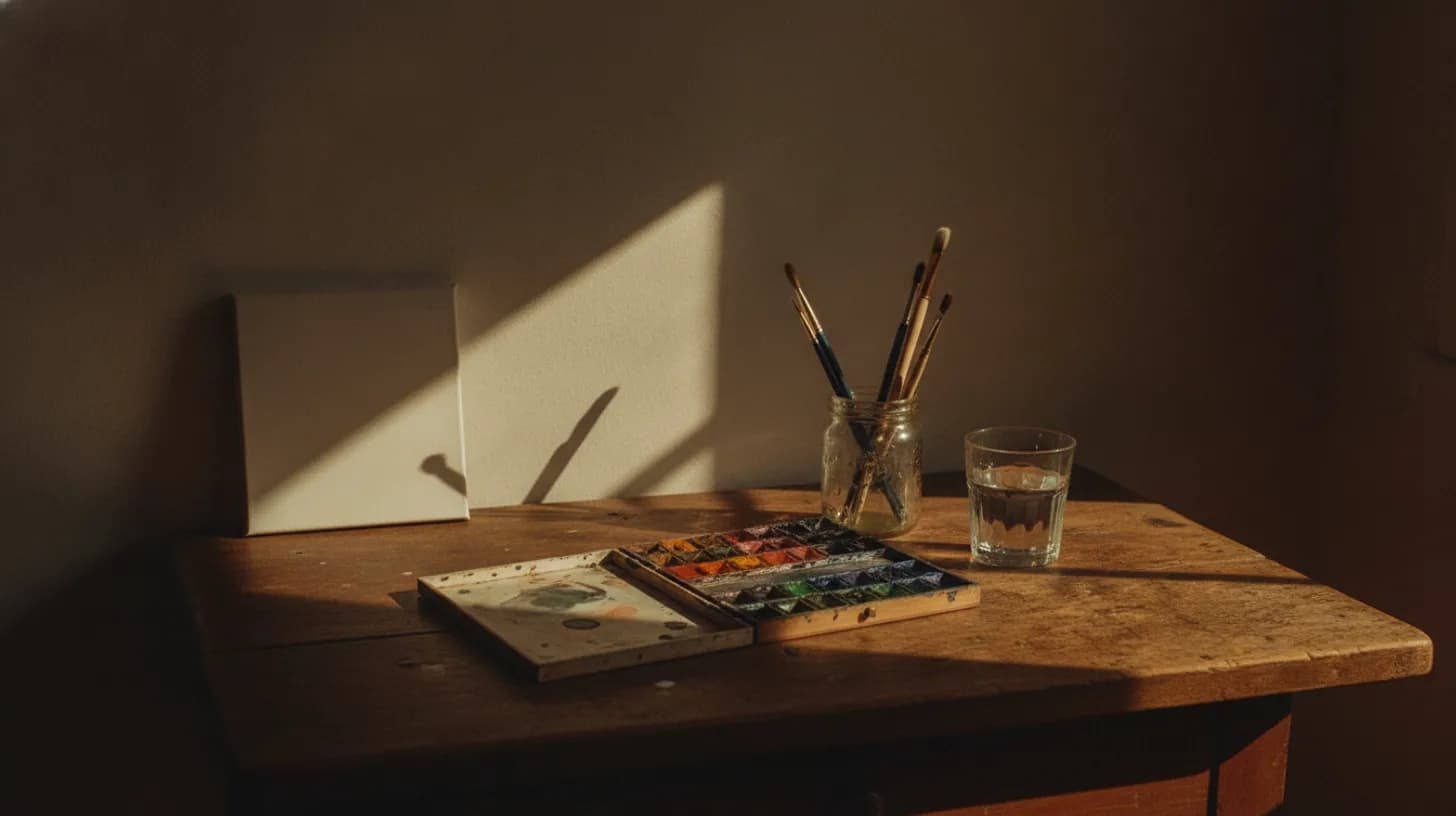
The reality is harder than that. When your dopamine system is depleted, nothing feels interesting. You might try painting, put the brush down after five minutes, and think, "This is pointless." You might start a book and realize you've read the same paragraph four times without absorbing a word. That's not a character flaw. That's your brain still healing.
The strategies below aren't about finding the one magical activity that will make you feel alive again. They're about:
- Structure: Filling time so you're less vulnerable to impulsive decisions
- Variety: Trying multiple things because one might stick
- Progress over perfection: Building tolerance for activities that feel "meh" right now but might feel better in a month
- Emergency options: Having a plan for when boredom hits hard and fast
Strategy 1: Schedule Everything (At First)
Some people find it useful to build a flexible daily routine:
- Morning routine: What time you wake up, breakfast, shower, medication
- Midday blocks: Errands, appointments, walks, specific activities
- Afternoon and evening: When you'll eat, when you'll exercise, when you'll wind down
- Bedtime routine: A consistent wind-down and sleep hygiene habits
Use your phone calendar. Set reminders. It might feel silly to schedule "go to grocery store" or "walk around the block," but these anchors keep you moving through the day instead of floating in dangerous idle time.
Strategy 2: The Emergency Boredom Kit
Create a physical or digital list of 10–15 activities you can do right now when boredom hits. Keep it somewhere accessible — taped to your fridge, saved in your phone notes, written on an index card in your wallet. These should be:
- Low-barrier: You don't need special equipment or preparation
- Varied: Some physical, some mental, some social, some solo
- Specific: Not "exercise" but "walk to the gas station and back"
Here are examples to get you started:
- Contact someone from your support network
- Do 20 push-ups or jumping jacks (even if you hate exercise — it breaks the mental loop)
- Clean one specific thing (the bathroom sink, your car's dashboard, your nightstand)
- Watch one episode of a show you've seen before (familiar is okay)
- Cook something simple but deliberate (scrambled eggs, grilled cheese, instant ramen upgraded with frozen vegetables)
- Listen to a podcast episode (true crime, comedy, whatever — just something engaging)
- Go to a public place and people-watch for 20 minutes (coffee shop, library, park)
- Do a crossword puzzle or play a phone game (Wordle, solitaire, anything mindless)
- Reorganize one drawer or closet shelf
- Write down five things you can see, four you can touch, three you can hear (grounding exercise)
The point isn't that these activities are thrilling. The point is they interrupt the spiral and buy you time.
Strategy 3: Try New Things Even When They Feel Pointless
Remember: your brain is healing. Activities that feel unrewarding today might feel different in six weeks. Give yourself permission to be bad at things and to not love them right away. Try:
- Adult education classes: Community colleges and rec centers offer cheap or free classes (cooking, pottery, computer skills, photography)
- Volunteering: Animal shelters, food banks, Habitat for Humanity — helping others can break the cycle of self-focus
- Exercise classes: Yoga, martial arts, cycling, swimming — the structure helps, and endorphins eventually kick in
- Creative outlets: Drawing, writing, music, photography — even if you "aren't artistic"
- Learning something online: Languages (Duolingo), coding (free courses), history (YouTube lectures)
The key is to commit to trying something three times before deciding it's not for you. The first time is usually uncomfortable. The second might still feel weird. By the third, you'll know if there's any potential.
If motivation remains low, counseling alongside medication may be worth discussing with the treatment team. Therapy availability varies.
Strategy 4: Physical Activity (Yes, Even If You Hate It)
Physical activity can provide structure for some people. Choose activity appropriate to your health and seek clinical guidance when needed.
You don't have to become a gym person. Start absurdly small:
- Walk around the block once a day
- Do five minutes of stretching in the morning
- Park farther away from store entrances
- Take the stairs instead of the elevator
- Do bodyweight exercises during commercial breaks (or between episodes)
Once you build a baseline, you can experiment with what feels sustainable. Some people discover they like running. Others prefer group classes where the social component keeps them coming back. Some people just walk while listening to music and that's enough.
The goal isn't to get ripped. The goal is to burn restless energy and give your brain a natural dopamine boost.
Strategy 5: Connection (Even When You'd Rather Isolate)
Boredom and loneliness often overlap. When you're feeling flat and purposeless, it's tempting to avoid people — you don't want to fake enthusiasm, you don't want to explain how you're feeling, you don't want to be a downer. But isolation makes everything worse.
You don't need deep conversations every day. You need regular human contact, even if it's small:
- Go to a recovery meeting (in-person or virtual) — you don't have to share, just showing up counts
- Call someone from your support network
- Go to a coffee shop and make small talk with the barista
- Join an online community related to a hobby or interest (not recovery-focused, just something normal)
- Volunteer somewhere that involves light interaction with others
If traditional group therapy or meetings do not appeal to you, consider another form of safe, voluntary connection.
Strategy 6: Reframe Boredom as Healing
This is the hardest mental shift to make, but it's important: try to see boredom as evidence that your brain is recovering. Every day that you sit with uncomfortable feelings without numbing them is progress. Every time you choose an activity from your emergency kit instead of impulsively reaching for old coping mechanisms, you're rewiring your brain.
It might help to journal about your experience. Write down:
- How boredom feels physically (restlessness, tension, emptiness)
- What you're tempted to do when it hits
- What you did instead
- Whether the boredom passed (spoiler: it always does)
Over time, you'll see patterns. You'll notice that boredom usually peaks in late afternoon or on weekends. You'll see which strategies work best for you. You'll build evidence that you can get through this feeling without catastrophizing.
What About When Nothing Works?
Some days, nothing on your emergency list will appeal to you. You'll look at the options and think, "I don't want to do any of this." That's when you need your absolute minimum viable plan:
- Get through the next hour. Not the whole day. One hour.
- Do the most basic thing possible. Drink a glass of water. Brush your teeth. Walk to the end of the driveway and back.
- Avoid making any big decisions. Don't call old contacts. Don't go to risky places. Don't decide today that "recovery isn't working."
- Reach out to someone. Text your sponsor, call a friend, message your Grata provider. Say, "I'm struggling with boredom and I just need to hear a voice."
If boredom is accompanied by cravings, physical discomfort, or thoughts of using, contact your provider. Do not change medication on your own. Request an appointment subject to availability.
When Does It Get Better?
Here's the honest answer: it varies. Most people notice improvement around the 60–90 day mark in recovery. By three months, your dopamine system has usually recalibrated enough that everyday activities start to feel rewarding again. A movie might actually hold your attention. A meal might taste good. A conversation might feel genuinely enjoyable.
People with co-occurring mental-health conditions may need additional assessment and care. If loss of interest is persistent or severe, talk to a provider about mental-health support rather than waiting for an arbitrary deadline.
The key is to keep showing up. Keep filling time. Keep trying activities. Keep staying connected. The neural pathways are rebuilding every single day, even when it doesn't feel like it.
Building a Life Worth Living
Longer-term goals may include setting recovery goals, rebuilding relationships, and finding meaningful activities.
But in early recovery, it's okay if your goals are smaller. It's okay if "making it through the weekend without using" is the whole victory. It's okay if "trying one new activity this month" is ambitious enough. You're not being lazy or unambitious. You're being realistic about where your brain is in the healing process.
If you'd like support thinking through recovery goals and structure, Grata Health offers telehealth opioid-use-disorder care in Virginia, Ohio, and Pennsylvania. Request an appointment to discuss current options.
You're Not Alone in This
Boredom in early recovery is universal. Talk to anyone who's been in your position and they'll tell you about the endless Sundays, the 3pm restlessness, the urge to do something just to feel less empty. It's uncomfortable, it's frustrating, and it's temporary.
Your brain is healing. Your dopamine system is recalibrating. Every day that you sit with boredom instead of numbing it is a win. Build your emergency kit, schedule your days, try new things, and keep reaching out to your support network. The activities that feel pointless today won't feel that way forever. And in the meantime, you're doing the hardest work of recovery — learning to be present with discomfort and choosing your future self over immediate relief.
Grata Health offers same-day telehealth appointments in Virginia, Ohio, and Pennsylvania and accepts most insurance plans. Specific benefits and eligibility vary by plan and individual circumstances.
About the author

Editorial Team
The Grata Editorial Team produces educational content about opioid use disorder, treatment access, and recovery. Articles are written to explain complex topics in clear, supportive language and help readers prepare useful questions for qualified professionals.
View full profileReviewed by
Clinical Review Team
The Grata Care Team supports people seeking treatment for opioid use disorder. When an article names the Grata Care Team as its reviewer, that attribution identifies the clinical review associated with that article.
View full profileReady to start your recovery?
Grata Health offers same-day telehealth appointments in Virginia, Ohio, and Pennsylvania and accepts most insurance plans.