Recovery as a Parent: Rebuilding for My Kids

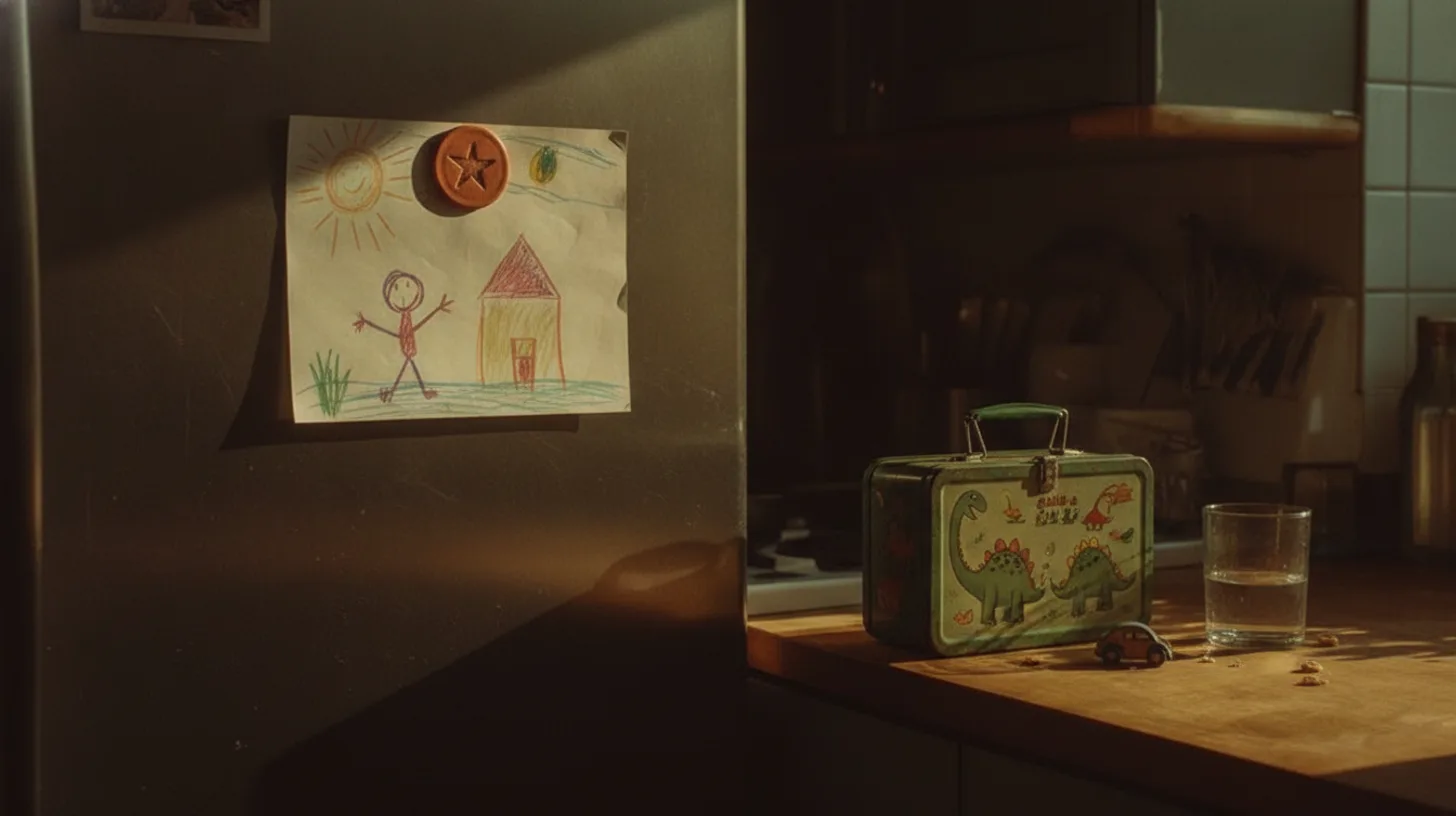
The morning my daughter asked if I was sick again, I knew something had to change. She was seven. Too young to understand addiction, but old enough to notice when her mom wasn't really there—even when I was standing right next to her.
That question broke something open in me. I'd been telling myself I had everything under control, that I could manage the pills and still be a good parent. But kids have a way of cutting through our best excuses with a single honest observation.
This is the story of how I got into treatment, not in spite of being a parent, but because of it. It's messy and ongoing, and some days are still hard. But my kids have their mom back, and that's worth everything.
The Weight of What I'd Put Them Through
Looking back at the year before I started treatment feels like watching someone else's life through foggy glass. I was there for the big moments—birthdays, school plays, bedtime—but I wasn't really present. My body showed up. My attention didn't.
The guilt around that is its own kind of pain. I'd missed so much:
- Soccer games where I sat in the car instead of on the bleachers
- Homework sessions that turned into me snapping because I couldn't focus
- Mornings where I overslept and they got themselves ready for school
- Promises I made and forgot by the next day
My ex-husband had started documenting everything. I didn't blame him. He was protecting our kids from a version of me that even I didn't recognize. The custody arrangement got tighter. Supervised visits. Every other weekend instead of shared weeks.
That's when the shame really set in. I'd become the unreliable parent, the one the kids couldn't count on. And the worst part? I'd let opioids convince me that I needed them to function, when really they were the thing keeping me from functioning at all.
Finding Treatment: The Hardest Decision That Felt Easy
I started researching Suboxone treatment on a Wednesday night after the kids were at their dad's. I'd tried to quit on my own twice before. Made it three days the first time, five the second. Both times ended with me in worse shape than when I started.
A friend mentioned that you could do this kind of treatment from home now, through telehealth. No waiting rooms. No running into people I knew. Just me and a doctor on a video call, working out a plan that fit around my custody schedule.
I signed up for an appointment with Grata Health that night. Had my first telehealth visit within three days. The doctor didn't lecture me or make me feel like I'd failed. She just asked what I needed to be able to show up for my kids again.
That question—what I needed—felt revolutionary. For the first time in months, someone was treating recovery like something I deserved, not just something I owed everyone else.
The First Month: Small Wins and Hard Conversations
Starting Suboxone meant starting everything else too. Therapy. Check-ins with my care team. Actually keeping a calendar. Learning to build routines that didn't fall apart the moment things got stressful.
The medication itself stabilized things faster than I expected. No more waking up sick. No more planning my day around when I could get pills. Just steady, manageable days where I could think about something other than the next dose.
But treatment is more than just medication. I had to learn how to be a parent again—how to be present in the boring, beautiful, exhausting dailiness of raising kids:
- Making breakfast without rushing through it
- Actually listening when they told me about their day
- Being consistent with rules and bedtime
- Showing up on time for pick-ups and drop-offs
My ex noticed the difference within a few weeks. He didn't say much at first—just started letting the kids stay an extra hour here and there. Then overnight visits came back. Then weekends.
Explaining Treatment to My Kids (in Age-Appropriate Ways)
One of the hardest parts of early recovery was figuring out what to tell my kids. My daughter was seven. My son was ten. They knew something had been wrong, and they knew something was different now. But how do you explain addiction to a second grader?
I talked to my therapist about it. She helped me come up with language that was honest without being scary:
For my younger daughter: "Mom was taking medicine that made her feel sick and tired. Now I'm taking different medicine that helps me feel better, and I'm working with a doctor to make sure I stay healthy."
For my older son: "I had a problem with pain medication. I was taking more than I was supposed to, and it made it hard for me to be the mom you needed. I'm in treatment now, which means I take medicine and talk to doctors and counselors to help me get better."
They had questions. Was I going to get sick again? (I told them I was working really hard every day to stay healthy.) Was it their fault? (Absolutely not, and I made sure they understood that.) Could they still count on me? (Yes, and I was going to prove it every single day.)
Those conversations are ongoing. Kids process things over time, not all at once. But being honest—at the level they can understand—has helped rebuild trust in a way that hiding things never could.
Being Present for the Milestones I Almost Missed
Three months into treatment, my son had a school science fair. He'd built this elaborate solar system model with working LED lights. He was so proud of it.
A year earlier, I would have shown up late, distracted, counting the minutes until I could leave. Or I might not have shown up at all—would have had some excuse ready about not feeling well.
But that night, I was there early. Helped him set up his display. Took pictures. Listened to him explain the rotation of planets to anyone who would listen. When he won third place, I cried—not just because I was proud, but because I was actually there to see it.
Recovery isn't about grand gestures. It's about showing up for the small, ordinary moments that make up a childhood:
- Friday movie nights where I don't fall asleep on the couch
- Helping with homework without losing my patience
- Making their favorite breakfast on school mornings
- Being the parent they can rely on when they're scared or hurt or just need someone to listen
Every single one of those moments is a gift. Not to them—to me. I almost lost the chance to be part of their lives. Treatment gave me that chance back.
Navigating Custody and Co-Parenting in Recovery
Getting my custody arrangement back to where it was before everything fell apart didn't happen overnight. My ex-husband was cautious, and he had every right to be. His job was to protect our kids, and for a while, that meant protecting them from me.
But consistency changed things. I made every visit. Never missed a pick-up. Kept my word when I said I'd do something. Started going to counseling alongside my medication treatment, which helped me work through the triggers and patterns that had gotten me into trouble in the first place.
I also learned that I had to be transparent—not just with my ex, but with the family court system. When it came time to revisit custody, I brought documentation from my treatment provider showing my progress. I was honest about being in medication-assisted treatment and what that meant.
Some states have resources specifically for parents in recovery navigating custody issues. In Virginia, Ohio, and Pennsylvania, there are family drug courts and recovery support programs designed to help parents reunify with their kids while in treatment.
The key was showing that I wasn't just staying sober—I was actively building a stable, healthy life that my kids could be part of.
If you're working to rebuild family trust after addiction, know that it takes time. And it takes action. Words matter, but reliability matters more. Your family needs to see that you've changed before they can believe you've changed.
The Days That Still Feel Hard
I'm not going to pretend that recovery made everything perfect. There are still hard days. Days when I'm exhausted from work and single parenting. Days when my kids are testing boundaries and I have to remind myself that feeling frustrated is normal, not a sign that I'm failing.
There are days when I manage triggers that used to send me straight to pills—stress at work, conflicts with my ex, money worries. The difference now is that I have tools to deal with those things without using.
I still take my Suboxone every morning. I still check in with my care team every month. I still go to therapy. These things aren't crutches—they're the foundation that lets me show up as the parent my kids deserve.
And when my daughter asks if I'm okay now, I can honestly say yes. Not because everything is easy, but because I'm doing the work to stay healthy. For them, and for me.
Getting Started: Because Your Kids Need You
If you're reading this as a parent who's struggling with opioid use, I want you to know something: Seeking help isn't a sign that you've failed your kids. It's a sign that you love them enough to do the hardest thing you've ever done.
Your children need you. Not the version of you that's running on empty, held together by pills and shame. They need the real you—present, stable, and healing.
Starting treatment can feel overwhelming when you're also trying to manage custody schedules, school drop-offs, and everything else that comes with parenting. But programs like Grata Health are built around that reality. Telehealth appointments that work around your schedule. Medication that stabilizes things so you can think clearly. Support that understands you're not just a patient—you're someone's parent.
Treatment doesn't mean you're giving up. It means you're fighting for your family in the most powerful way possible.
Final Thoughts: Recovery Is an Act of Love
The other day, my son told me he was glad I was feeling better. It was casual, just a comment while we were making dinner. But it stopped me in my tracks.
He didn't say he was glad I was in treatment, or that I'd quit pills. He just said he was glad I was feeling better. Because to him, that's what this is—his mom got sick, and now she's getting better.
That's the simplest and truest way to understand what's happening. I'm getting better. Not just for them, though they're the reason I keep going. But for myself, too—because I deserve a life that isn't controlled by pills and shame and the constant scramble to just make it through another day.
If you're a parent who's been putting off getting help, waiting for the "right time" or telling yourself you'll handle it on your own—I understand that hesitation. But the right time is now. Your kids don't need you to be perfect. They just need you to be there.
And treatment can help you do that. Get started today, not because you owe it to anyone, but because you and your family deserve the chance to heal together.
About the author
Editorial Team
The Grata Editorial Team produces evidence-based content on opioid use disorder, medication-assisted treatment, and recovery. Our writers work closely with licensed clinicians to ensure every article reflects the latest medical guidance and supports people seeking help for substance use disorders.
View full profileMedically reviewed by
Clinical Review Team
The Grata Care Team is a group of board-certified physicians and addiction medicine specialists who review all clinical content for accuracy. Our clinicians bring decades of combined experience in opioid use disorder treatment, buprenorphine prescribing, and telehealth-based addiction care.
View full profileReady to start your recovery?
Same-day telehealth appointments with licensed providers. Private, affordable, and covered by most insurance.
Get Care