Nutrition in Recovery: What to Eat During MAT Treatment

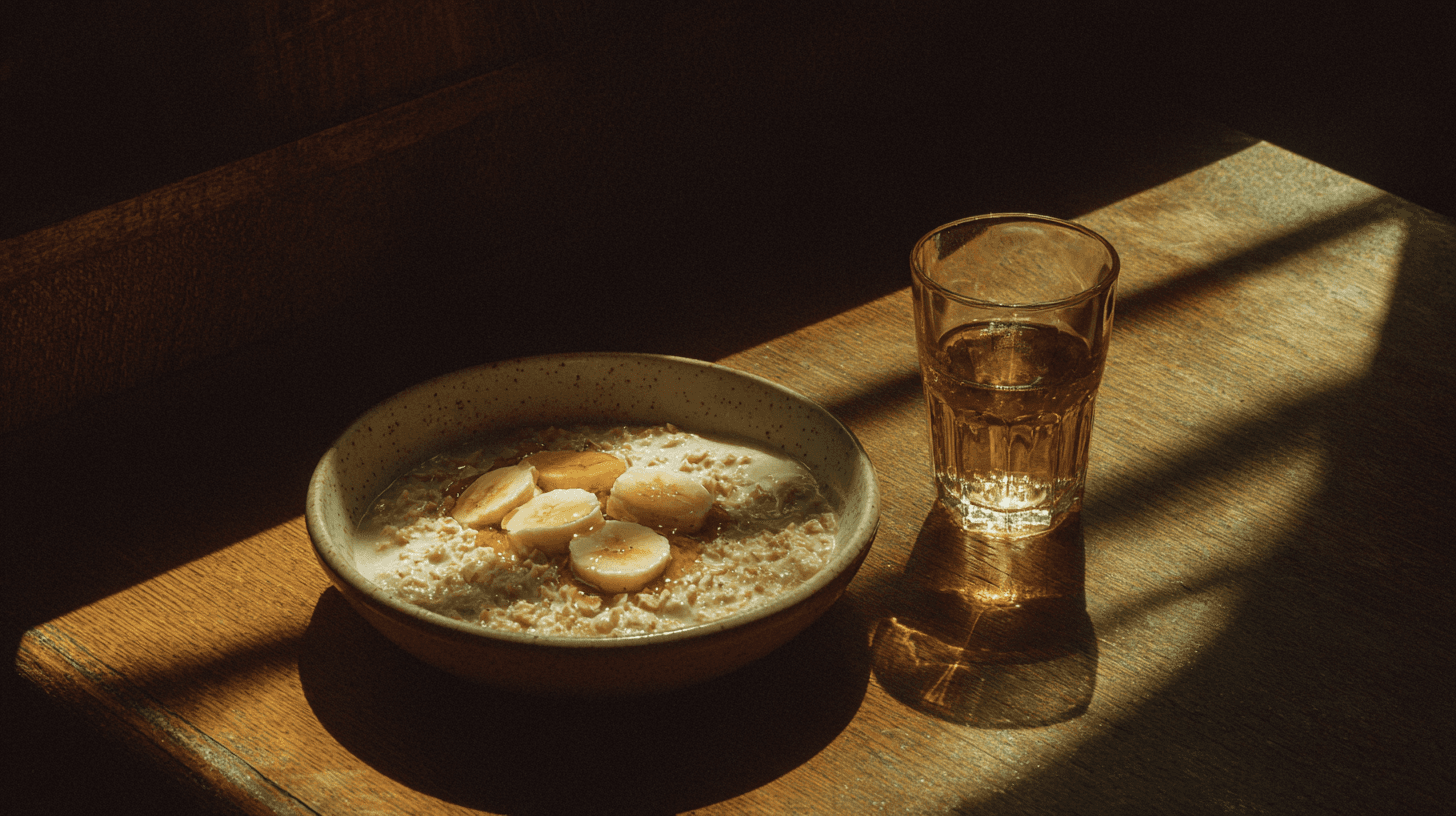
Your body has been through a lot. If you're starting medication-assisted treatment (MAT) for opioid use disorder, you might notice you're suddenly thinking about food differently — or maybe you're not thinking about it at all, which is part of the problem.
Opioid use disrupts nearly every system in your body, and your digestive system takes a particularly hard hit. Poor nutrition isn't your fault — it's a direct consequence of how opioids affect appetite, gut motility, and nutrient absorption. The good news? Small, intentional changes to what you eat can make a real difference in how you feel during recovery.
This guide offers practical, budget-friendly nutrition tips specifically for people in recovery. No restrictive diets, no expensive supplements you can't afford — just straightforward advice to help you rebuild your health one meal at a time.
How Opioid Use Affects Your Gut and Nutrition
Understanding what happened to your body helps explain why eating feels so different now.
Opioids slow everything down. They activate receptors throughout your digestive tract, dramatically slowing gut motility — the muscle contractions that move food through your system. This leads to chronic constipation, a near-universal experience during active opioid use. Food sits in your intestines longer, which can cause bloating, discomfort, and reduced appetite.
Appetite regulation gets disrupted. Opioids interfere with hunger and satiety hormones like ghrelin and leptin. Many people forget to eat entirely or survive on convenience foods that don't cause nausea. Over time, this creates significant nutritional deficiencies.
Absorption suffers. When your gut isn't moving properly, your body can't absorb nutrients efficiently. B vitamins, vitamin D, iron, calcium, and zinc are commonly depleted. These deficiencies contribute to fatigue, mood problems, and weakened immune function — all of which make recovery harder.
Metabolism changes. Long-term opioid use can alter how your body processes and stores energy. Some people lose significant weight, while others gain weight rapidly during early recovery as normal appetite returns.
When you start Suboxone treatment, many of these issues begin to improve. But buprenorphine (the active ingredient in Suboxone) is still an opioid, which means constipation often continues — though usually less severely than with full opioid agonists.
Common Nutrition Challenges in Early Recovery
The first few weeks of treatment bring their own nutritional hurdles.
Persistent constipation. This is the most common side effect people report. Your gut is learning to function again, and buprenorphine still slows motility somewhat. You might go days without a bowel movement, which affects appetite and energy.
Irregular eating patterns. If you've been eating sporadically or not at all, your body's hunger cues might feel confusing or absent. Reestablishing regular meal times takes conscious effort.
Cravings for sugar and processed foods. Your brain is recalibrating its reward pathways. Many people notice intense cravings for sweets, fast food, or other high-reward foods early in recovery. This is normal — your brain is seeking dopamine from other sources.
Digestive sensitivity. You might find that foods you used to tolerate fine now cause nausea, heartburn, or bloating. Your gut is adjusting.
Fatigue affecting food prep. Depression and physical exhaustion are common during the stabilization phase. Cooking feels overwhelming, which often leads to skipping meals or relying on takeout.
These challenges are temporary, but they're real. The strategies below address them directly.
Rebuilding Regular Eating Patterns
Start with structure, not perfection.
Aim for three meals, even if they're small. Your body needs consistent fuel to stabilize energy and mood. Set alarms if you forget to eat. Even a piece of toast with peanut butter counts as a meal when you're rebuilding the habit.
Prioritize breakfast. Eating something within an hour of waking helps regulate blood sugar and sets a foundation for the day. It doesn't need to be elaborate:
- Oatmeal with banana and cinnamon
- Scrambled eggs with whole grain toast
- Greek yogurt with berries
- Peanut butter on whole wheat crackers
Keep easy options visible. Stock shelf-stable items you can grab without cooking: canned beans, tuna packets, crackers, apples, oranges, nuts, dried fruit. If healthy food requires no effort, you're more likely to eat it.
Use the "next right thing" approach. Missed breakfast? Don't skip lunch too out of guilt. Just eat the next meal. Recovery is about progress, not punishment.
Building a daily recovery routine that includes consistent meal times helps anchor your day and reinforces your commitment to healing.
Foods That Help with Constipation
Constipation during Suboxone treatment is manageable with the right foods and habits.
Fiber is your friend — but add it slowly. A sudden increase in fiber can make constipation worse. Start with one high-fiber food per day and gradually increase. Good options include:
- Oats, bran cereal, and whole grain bread
- Beans and lentils (canned are fine)
- Apples, pears, and berries
- Broccoli, carrots, and sweet potatoes
Prunes actually work. They contain both fiber and sorbitol, a natural laxative. Start with 3–5 prunes or a small glass of prune juice daily. If that feels too intense, try dried apricots or figs instead.
Drink more water than you think you need. Fiber only helps if you're hydrated. Aim for 8–10 glasses of water daily. Keep a reusable bottle with you and refill it throughout the day. Add lemon or cucumber if plain water feels boring.
Healthy fats keep things moving. Olive oil, avocado, nuts, and seeds all help lubricate your digestive system. Add a tablespoon of olive oil to pasta or salad. Snack on a handful of almonds.
Warm liquids in the morning. Coffee or warm lemon water can stimulate gut motility. Many people find that a warm beverage helps trigger a bowel movement within 30 minutes.
If constipation remains severe despite dietary changes, talk to your Grata provider about stool softeners or gentle laxatives. Don't let discomfort prevent you from staying on your medication.
Hydration Matters More Than You Think
Dehydration worsens every aspect of recovery — mood, fatigue, constipation, and concentration.
Your body is relearning balance. During active opioid use, many people become chronically dehydrated without realizing it. Nausea, vomiting, and neglecting basic self-care all contribute. In early recovery, you need to consciously rebuild this habit.
Set hydration goals. Start with one glass of water when you wake up, one with each meal, and one before bed. That's five glasses right there. Add more throughout the day if you're active or it's hot.
Track it if that helps. Some people find it motivating to use an app or mark a water bottle with time goals. Others prefer just refilling a specific mug or bottle several times daily.
Limit caffeine and alcohol. Both are diuretics that increase fluid loss. If you drink coffee, follow each cup with a glass of water. Alcohol also complicates recovery in other ways — most people in MAT programs avoid it entirely.
Proper hydration improves energy, supports kidney function (which processes medications), and makes constipation more manageable. It's one of the simplest, most impactful changes you can make.
Contact Grata Health about telehealth opioid use disorder treatment in Virginia, Ohio, or Pennsylvania. Nutrition services should be confirmed separately.
Key Vitamins and Minerals for Recovery
Certain nutrients deserve special attention during opioid recovery.
Vitamin D: Deficiency can only be assessed appropriately through individual medical evaluation. Ask a clinician whether testing or supplementation is appropriate rather than starting a dose from general online advice.
B vitamins (especially B12 and folate): These are essential for energy production, nervous system repair, and red blood cell formation. Food sources include:
- Fortified cereals and bread
- Eggs
- Leafy greens (spinach, kale)
- Beans and lentils
- Nutritional yeast (great on popcorn or pasta)
Magnesium: Helps with muscle relaxation, sleep, and mood. Found in nuts, seeds, whole grains, and dark chocolate. Many people find magnesium supplements helpful for restlessness and sleep issues during recovery.
Calcium: Important for bone health, especially if you're rebuilding physical strength. Dairy products are the most common source, but fortified plant milks, canned sardines (with bones), and leafy greens also provide calcium.
Iron: Fatigue is common in recovery, and iron deficiency makes it worse. Red meat, poultry, beans, and fortified cereals all contain iron. Pair with vitamin C (orange juice, bell peppers, tomatoes) to improve absorption.
You don't need expensive supplements for everything. A varied diet covers most bases. If you're concerned about specific deficiencies, ask your Grata provider about bloodwork.
Budget-Friendly Meal Ideas
Good nutrition doesn't require a big grocery budget or chef skills.
Breakfast:
- Oatmeal with peanut butter and banana
- Scrambled eggs with toast and tomato
- Greek yogurt with honey and whatever fruit is on sale
- Whole grain cereal with milk and berries
Lunch:
- Canned bean chili (add frozen vegetables for extra nutrition)
- Tuna or egg salad on whole wheat bread with carrot sticks
- Leftovers from dinner
- Peanut butter and apple slices with crackers
Dinner:
- Pasta with marinara sauce, add canned chickpeas or ground turkey
- Baked chicken thighs with roasted sweet potatoes and broccoli
- Rice and beans with sautéed peppers and onions
- Stir-fried frozen vegetables with eggs and soy sauce over rice
Snacks:
- Apples with peanut butter
- Popcorn (air-popped or microwaveable)
- String cheese and whole grain crackers
- Bananas
- Trail mix (make your own with bulk nuts and raisins)
Money-saving strategies:
- Buy frozen vegetables — just as nutritious as fresh, often cheaper
- Choose store brands for staples like oats, rice, beans, and pasta
- Buy eggs, chicken thighs, and canned tuna for affordable protein
- Shop sales and stock up on non-perishables
- Use community resources like food banks — there's no shame in getting help
If you're on Medicaid, you may qualify for SNAP benefits (food stamps). Many states also have programs specifically for people in recovery. Ask your Grata care team about local resources.
What About Sugar Cravings and Comfort Foods?
Let's address this directly: you're probably craving sweets and fast food. That's not weakness — it's neurochemistry.
Your brain is recalibrating its reward system. Opioids flooded your dopamine receptors for a long time. Now that you're in treatment, your brain is looking for other sources of reward. Food — especially sugar and fat — triggers dopamine release, which temporarily fills that void.
Don't fight it too hard early on. If eating ice cream or ordering pizza helps you get through the first month on Suboxone, that's okay. Recovery isn't the time to start a restrictive diet. The goal is staying in treatment and rebuilding stability.
But balance matters. If you're eating only fast food and candy, you'll feel worse — energy crashes, mood swings, and digestive issues compound recovery challenges. Aim for:
- Eating one nutritious meal per day, even if other meals are less ideal
- Adding fruit or vegetables to fast food orders when possible
- Choosing foods that bring both comfort and some nutritional value (mac and cheese with peas, pizza with extra vegetables, a smoothie with protein powder)
Cravings may change over time. Food cravings vary and can have many causes. Persistent or concerning changes in appetite deserve individualized medical guidance.
Be kind to yourself. Eating imperfectly is infinitely better than not eating at all — or worse, relapsing because you added unnecessary stress about food.
When to Ask for Help
Sometimes nutrition challenges signal underlying issues that need professional support.
Talk to your Grata provider if you experience:
- Severe, ongoing constipation despite dietary changes
- Unintended weight loss exceeding 10 pounds
- Persistent nausea or vomiting that prevents eating
- Signs of malnutrition (hair loss, brittle nails, extreme fatigue)
- Disordered eating patterns that feel out of control
Consider working with a dietitian. Some insurance plans, including Ohio Medicaid and other state programs, cover nutrition counseling. A dietitian who specializes in addiction recovery can create a personalized plan.
Address mental health needs. Depression and anxiety profoundly affect appetite and eating. If you're struggling emotionally, that's part of your recovery journey too. Grata Health offers integrated care that addresses both your MAT treatment and mental health needs.
If you're in Virginia, Ohio, or Pennsylvania, Grata Health offers telehealth opioid-use-disorder care. Insurance participation and available services vary.
Moving Forward: Small Steps Add Up
Nutrition in recovery isn't about perfection. It's about rebuilding — one meal, one glass of water, one good decision at a time.
Your body has incredible capacity to heal when you give it what it needs. You don't have to overhaul your entire diet overnight. Start with one change: drinking more water, eating breakfast regularly, adding one serving of vegetables daily. Build from there.
Recovery is hard enough without adding pressure about "eating perfectly." The goal is nourishment — physically and emotionally. Give yourself permission to eat imperfectly, to ask for help, to use food as comfort sometimes. Progress matters more than perfection.
Request an appointment with Grata Health to discuss current telehealth treatment options. Nutrition concerns may require a primary-care clinician or registered dietitian.
Grata Health offers same-day telehealth appointments in Virginia, Ohio, and Pennsylvania and accepts most insurance plans. Specific benefits and eligibility vary by plan and individual circumstances.
About the author

Editorial Team
The Grata Editorial Team produces educational content about opioid use disorder, treatment access, and recovery. Articles are written to explain complex topics in clear, supportive language and help readers prepare useful questions for qualified professionals.
View full profileReviewed by
Clinical Review Team
The Grata Care Team supports people seeking treatment for opioid use disorder. When an article names the Grata Care Team as its reviewer, that attribution identifies the clinical review associated with that article.
View full profileReady to start your recovery?
Grata Health offers same-day telehealth appointments in Virginia, Ohio, and Pennsylvania and accepts most insurance plans.